151 Repairing Bleach-Damaged Hair
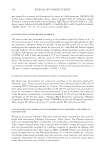
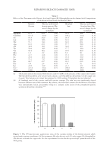
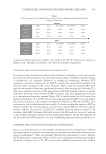
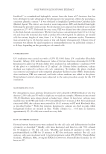
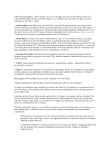
Table I
Effects of the Treatment with Chicoric Acid and Copper (II) Chlorophyllin on the Amino Acid Compositions
of the Keratin Protein and the Bleached Haira
Keratin
Protein
Chicoric acid treated
keratin protein (The
rate of change by the
treatment)
Bleached
hair
Chicoric acid treated
bleached hair (The
rate of change by the
treatment)
Asp(Asn) 63.1 63.1 (1.0) 56.4 56.4 (1.0)
Glu(Gln) 113.6 113.9 (1.0) 106.2 111.1 (1.0)
Ser 83.8 82.0 (1.0) 91.9 94.5 (1.0)
Gly 62.8 58.6 (0.9) 50.1 49.5 (1.0)
Thr 53.7 54.2 (1.0) 62.0 66.1 (1.1)
Arg 64.2 62.1 (1.0) 57.7 58.6 (1.0)
Ala 48.6 48.3 (1.0) 38.6 40.3 (1.0)
Tyr 20.0 18.2 (0.9) 17.7 18.0 (1.0)
Val 43.4 46.1 (1.1) 39.6 40.6 (1.0)
Met 3.3 3.0 (0.9) 4.3 4.3 (1.0)
Phe 22.7 22.8 (1.0) 15.4 14.0 (0.9)
Ile 29.6 30.4 (1.0) 21.8 22.9 (1.1)
Leu 73.1 73.7 (1.0) 49.0 46.8 (1.0)
Pro 68.7 62.7 (0.9) 69.3 61.2 (0.9)
His 4.0 2.0 (0.5) 7.8 5.1 (0.7)
Lys 20.6 11.9 (0.6) 23.3 13.7 (0.6)
Cys b 224.6 152.2 (0.7) 288.9 180.7 (0.6)
Total 1000 1000 1000 1000
(a) The keratin protein was treated with chicoric acid (3.6 mM) in the presence of the copper salt (4 ppm).
The bleached hair fibers were treated with chicoric acid (8.4 mM) in the presence of the copper salt
(4 ppm). Total amino acid content was assumed to 1000 residues. Tryptophan was not observed.
(b) A combined total of the cysteine and half-cysteine contents. The sum was not significantly altered
between different runs of the treatment. By contrast, the individual contents for the amino acid residues
were substantially varied, presumably owing to a complex redox action of the polyphenol-quinone
system in the present treatment.20,21
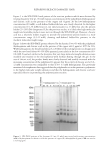
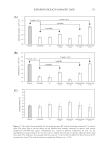
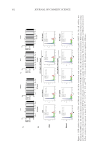
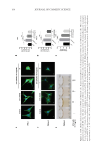
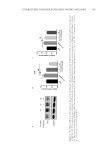
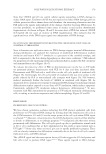
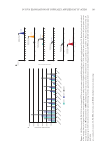
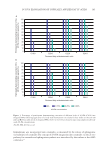
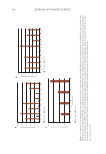
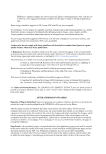
Figure 5. The UV-spectroscopic quantitative assay of the cysteine residue of the keratin protein which
treated under various conditions. (A) No treatment (B) only chicoric acid (C) only copper (II) chlorophyllin
(D) chicoric acid and the copper salt. See the experimental section for the spectroscopic quantification of the
thiol group.
Table I
Effects of the Treatment with Chicoric Acid and Copper (II) Chlorophyllin on the Amino Acid Compositions
of the Keratin Protein and the Bleached Haira
Keratin
Protein
Chicoric acid treated
keratin protein (The
rate of change by the
treatment)
Bleached
hair
Chicoric acid treated
bleached hair (The
rate of change by the
treatment)
Asp(Asn) 63.1 63.1 (1.0) 56.4 56.4 (1.0)
Glu(Gln) 113.6 113.9 (1.0) 106.2 111.1 (1.0)
Ser 83.8 82.0 (1.0) 91.9 94.5 (1.0)
Gly 62.8 58.6 (0.9) 50.1 49.5 (1.0)
Thr 53.7 54.2 (1.0) 62.0 66.1 (1.1)
Arg 64.2 62.1 (1.0) 57.7 58.6 (1.0)
Ala 48.6 48.3 (1.0) 38.6 40.3 (1.0)
Tyr 20.0 18.2 (0.9) 17.7 18.0 (1.0)
Val 43.4 46.1 (1.1) 39.6 40.6 (1.0)
Met 3.3 3.0 (0.9) 4.3 4.3 (1.0)
Phe 22.7 22.8 (1.0) 15.4 14.0 (0.9)
Ile 29.6 30.4 (1.0) 21.8 22.9 (1.1)
Leu 73.1 73.7 (1.0) 49.0 46.8 (1.0)
Pro 68.7 62.7 (0.9) 69.3 61.2 (0.9)
His 4.0 2.0 (0.5) 7.8 5.1 (0.7)
Lys 20.6 11.9 (0.6) 23.3 13.7 (0.6)
Cys b 224.6 152.2 (0.7) 288.9 180.7 (0.6)
Total 1000 1000 1000 1000
(a) The keratin protein was treated with chicoric acid (3.6 mM) in the presence of the copper salt (4 ppm).
The bleached hair fibers were treated with chicoric acid (8.4 mM) in the presence of the copper salt
(4 ppm). Total amino acid content was assumed to 1000 residues. Tryptophan was not observed.
(b) A combined total of the cysteine and half-cysteine contents. The sum was not significantly altered
between different runs of the treatment. By contrast, the individual contents for the amino acid residues
were substantially varied, presumably owing to a complex redox action of the polyphenol-quinone
system in the present treatment.20,21
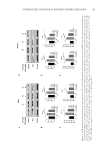
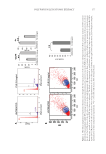
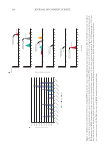
Figure 5. The UV-spectroscopic quantitative assay of the cysteine residue of the keratin protein which
treated under various conditions. (A) No treatment (B) only chicoric acid (C) only copper (II) chlorophyllin
(D) chicoric acid and the copper salt. See the experimental section for the spectroscopic quantification of the
thiol group.