185 POLYPODIUM LEUCOTOMOS EXTRACT
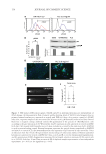
fluorescent microscope and analyzed with ZEN 2012 program (Zeiss). DNA fragmentation
was quantitated according to comet tail length.
STATISTICS
Data are mean ± SD from at least two culture independent dishes conditions representative
of two or three independent experiments, unless stated otherwise. P values were calculated
with two-tailed Student’s t-test (Excel). P values of 0.05 were considered significant. Most
analyses were repeated in two different epidermal strains from two different individuals
with similar results.
ACKNOWLEDGMENTS
We thank Alicia Noriega, Laura Ceballos, Marta Cagigas, Ángel Saiz, and Lorena García-
Gaipo for technical assistance. The work was in part funded by Cantabria Labs and in
part by grant ISCIII-FIS/FEDER PI20/00880 (A.G.). Lucía San Juan was supported by a
fellowship from Universidad de Cantabria/Idival, PREVAL 19/06.
CONFLICT OF INTEREST
S.G. is a consultant for Cantabria Labs, and A.Gu., A.D.R., and A.R.L. belonged to the
Innovation and Development Department at Cantabria Labs (at the time of the work), which
produced Fernblock® technology. The remaining authors declare no conflict of interest.
CONTRIBUTIONS
A.G.: data curation, experimental design, analyses, funding, figure making, manuscript
writing, and validation A.Gu. and A.D.R.: experimental design, analyses, funding,
manuscript validation S.G.: analyses, manuscript validation A.R.L.: analyses, manuscript
writing, and validation L.S.J.: data curation, figure making, manuscript writing, and
validation.
REFERENCES
(1) Bickers DR, Athar M. Oxidative stress in the pathogenesis of skin disease. J Invest Dermatol.
2006 126(12):2565–2575.
(2) Urbach F. Ultraviolet radiation and skin cancer of humans. J Photochem Photobiol B. 1997 40(1):3–7.
(3) Valko M, Rhodes CJ, Moncol J, Izakovic M, Mazur M. Free radicals, metals and antioxidants in oxidative
stress-induced cancer. Chem Biol Interact. 2006 160(1):1–40.
(4) Seberg HE, Van Otterloo E, Cornell RA. Beyond MITF: multiple transcription factors directly regulate
the cellular phenotype in melanocytes and melanoma. Pigment Cell Melanoma Res. 2017 30(5):454–466.
(5) Parrado C, Nicolas J, Juarranz A, Gonzalez S. The role of the aqueous extract Polypodium leucotomos
in photoprotection. Photochem Photobiol Sci. 2020 19(6):831–843.
(6) Aguilera J, Vicente-Manzanares M, de Gálvez MV, Herrera-Ceballos E, Rodríguez-Luna A, González
S. Booster Effect of a Natural Extract of Polypodium leucotomos (Fernblock®) That Improves the UV
fluorescent microscope and analyzed with ZEN 2012 program (Zeiss). DNA fragmentation
was quantitated according to comet tail length.
STATISTICS
Data are mean ± SD from at least two culture independent dishes conditions representative
of two or three independent experiments, unless stated otherwise. P values were calculated
with two-tailed Student’s t-test (Excel). P values of 0.05 were considered significant. Most
analyses were repeated in two different epidermal strains from two different individuals
with similar results.
ACKNOWLEDGMENTS
We thank Alicia Noriega, Laura Ceballos, Marta Cagigas, Ángel Saiz, and Lorena García-
Gaipo for technical assistance. The work was in part funded by Cantabria Labs and in
part by grant ISCIII-FIS/FEDER PI20/00880 (A.G.). Lucía San Juan was supported by a
fellowship from Universidad de Cantabria/Idival, PREVAL 19/06.
CONFLICT OF INTEREST
S.G. is a consultant for Cantabria Labs, and A.Gu., A.D.R., and A.R.L. belonged to the
Innovation and Development Department at Cantabria Labs (at the time of the work), which
produced Fernblock® technology. The remaining authors declare no conflict of interest.
CONTRIBUTIONS
A.G.: data curation, experimental design, analyses, funding, figure making, manuscript
writing, and validation A.Gu. and A.D.R.: experimental design, analyses, funding,
manuscript validation S.G.: analyses, manuscript validation A.R.L.: analyses, manuscript
writing, and validation L.S.J.: data curation, figure making, manuscript writing, and
validation.
REFERENCES
(1) Bickers DR, Athar M. Oxidative stress in the pathogenesis of skin disease. J Invest Dermatol.
2006 126(12):2565–2575.
(2) Urbach F. Ultraviolet radiation and skin cancer of humans. J Photochem Photobiol B. 1997 40(1):3–7.
(3) Valko M, Rhodes CJ, Moncol J, Izakovic M, Mazur M. Free radicals, metals and antioxidants in oxidative
stress-induced cancer. Chem Biol Interact. 2006 160(1):1–40.
(4) Seberg HE, Van Otterloo E, Cornell RA. Beyond MITF: multiple transcription factors directly regulate
the cellular phenotype in melanocytes and melanoma. Pigment Cell Melanoma Res. 2017 30(5):454–466.
(5) Parrado C, Nicolas J, Juarranz A, Gonzalez S. The role of the aqueous extract Polypodium leucotomos
in photoprotection. Photochem Photobiol Sci. 2020 19(6):831–843.
(6) Aguilera J, Vicente-Manzanares M, de Gálvez MV, Herrera-Ceballos E, Rodríguez-Luna A, González
S. Booster Effect of a Natural Extract of Polypodium leucotomos (Fernblock®) That Improves the UV