192 JOURNAL OF COSMETIC SCIENCE
equally into two aliquots after dissolving in chloroform: methanol (2:1) the solvent was
evaporated at 50°C under a stream of nitrogen gas. The two ceramide aliquots for each
sample were dissolved in methanol. The hydrolysis aliquot was acidified with concentrated
HCl (12.1 mL). The samples were incubated at 60°C for 20 hours, dried and submitted
for analysis.
RESULTS
FFA ELONGATION FROM LEAVE-ON FORMULATION
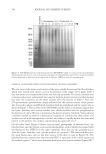
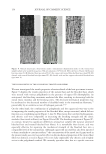
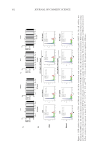
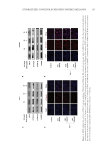
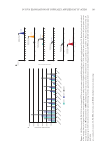
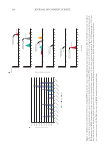
After four weeks application of the leave-on formulation, elongation of d31-PA was detected
in solvent extracts from all participants. Higher levels of three elongated FFAs (C18:0,
C20:0, and C22:0) were observed versus baseline samples. A consistent trend in the levels
of elongated FFAs was observed across the study population: at Day 28, we detected higher
levels of C22:0 than C20:0 and C18:0, and higher levels of C20:0 than C18:0. Although
all participants showed detectable levels of elongated FFAs, there was variability in the
extent of FFA elongation between participants (Figure 1a). LC/MS/MS analysis of tape
strips showed elongation up to C26:0 in a subset of three participants (Figure 1b).
FFA ELONGATION FROM SYNDET BAR FORMULATION
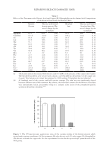
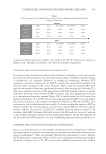
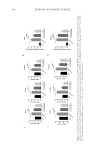
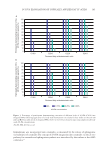
After four weeks application of the syndet bar formulation, deuterated elongated FFAs were
detected in solvent extract samples from 9 out of 11 participants. Similar to the leave-on
lotion, a trend was observed across participants. Higher levels of C20:0 were detected at
Day 28 than C18:0 in all nine participants, and higher levels of C22:0 than C20:0 were
detected in five of the nine participants (Figure 2a). Elongation up to C26:0 was not detected
in any of the solvent extract samples. However, LC/MS/MS analysis of tape strips showed
formation of C24:0 and C26:0 in a subset of three participants. MRM peak area assessment
revealed that C24:0 was the most prevalent FFA in all tape strip extracts (Figure 2b).
FFA ELONGATED FROM BODY WASH FORMULATIONS
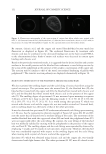
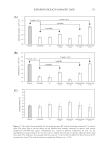
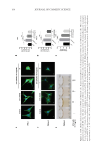
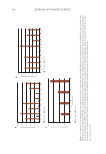
After four weeks application of the body wash formulations to the arm and leg, detectable
levels of elongated FFAs (C20:0 to C24:0) were found in tape strip samples for all body
wash concentrations (Figure 3). Detectable levels of these elongated FFAs were found in all
tape strip samples following application of the 2% d31-PA to the arm (Figure 3a) and leg
(Figure 3b).
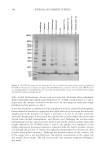
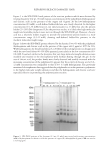
DETECTION OF DEUTERATED SPHINGOSINE
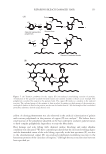
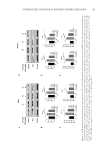
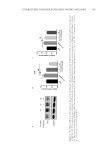
Solvent extracts and skin tape strip extracts were analyzed for the presence of deuterated
sphingosine following leave-on lotion, syndet bar and bodywash application. Detectable
levels of d29 sphingosine were observed (Figure 4) these levels increased after acid hydrolysis
for the leave-on lotion (Figure 4a), syndet bar (Figure 4b) and the different concentrations of
body wash application (Figure 4c). This indicates that the d31-PA supplied by the topical
equally into two aliquots after dissolving in chloroform: methanol (2:1) the solvent was
evaporated at 50°C under a stream of nitrogen gas. The two ceramide aliquots for each
sample were dissolved in methanol. The hydrolysis aliquot was acidified with concentrated
HCl (12.1 mL). The samples were incubated at 60°C for 20 hours, dried and submitted
for analysis.
RESULTS
FFA ELONGATION FROM LEAVE-ON FORMULATION
After four weeks application of the leave-on formulation, elongation of d31-PA was detected
in solvent extracts from all participants. Higher levels of three elongated FFAs (C18:0,
C20:0, and C22:0) were observed versus baseline samples. A consistent trend in the levels
of elongated FFAs was observed across the study population: at Day 28, we detected higher
levels of C22:0 than C20:0 and C18:0, and higher levels of C20:0 than C18:0. Although
all participants showed detectable levels of elongated FFAs, there was variability in the
extent of FFA elongation between participants (Figure 1a). LC/MS/MS analysis of tape
strips showed elongation up to C26:0 in a subset of three participants (Figure 1b).
FFA ELONGATION FROM SYNDET BAR FORMULATION
After four weeks application of the syndet bar formulation, deuterated elongated FFAs were
detected in solvent extract samples from 9 out of 11 participants. Similar to the leave-on
lotion, a trend was observed across participants. Higher levels of C20:0 were detected at
Day 28 than C18:0 in all nine participants, and higher levels of C22:0 than C20:0 were
detected in five of the nine participants (Figure 2a). Elongation up to C26:0 was not detected
in any of the solvent extract samples. However, LC/MS/MS analysis of tape strips showed
formation of C24:0 and C26:0 in a subset of three participants. MRM peak area assessment
revealed that C24:0 was the most prevalent FFA in all tape strip extracts (Figure 2b).
FFA ELONGATED FROM BODY WASH FORMULATIONS
After four weeks application of the body wash formulations to the arm and leg, detectable
levels of elongated FFAs (C20:0 to C24:0) were found in tape strip samples for all body
wash concentrations (Figure 3). Detectable levels of these elongated FFAs were found in all
tape strip samples following application of the 2% d31-PA to the arm (Figure 3a) and leg
(Figure 3b).
DETECTION OF DEUTERATED SPHINGOSINE
Solvent extracts and skin tape strip extracts were analyzed for the presence of deuterated
sphingosine following leave-on lotion, syndet bar and bodywash application. Detectable
levels of d29 sphingosine were observed (Figure 4) these levels increased after acid hydrolysis
for the leave-on lotion (Figure 4a), syndet bar (Figure 4b) and the different concentrations of
body wash application (Figure 4c). This indicates that the d31-PA supplied by the topical