170 JOURNAL OF COSMETIC SCIENCE
moderate concentration, did not hinder cell progression or induce abnormal cell growth,
providing evidence of its safety as a potential skin whitening agent for future clinical
applications.
Several studies showed that melanin in melanosomes moves toward the cell membrane
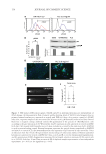
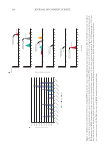
along the cytoskeleton, in which Rab27a and Rac1 play important roles.12,13 Here, we
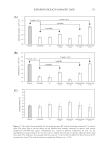
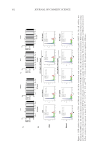
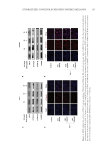
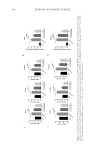
demonstrated that HCP can significantly inhibit the expression of Rab27a and Rac1 in
PIG1 and MelanA cells, indicating the potential of HCP in blocking melanin transfer. The
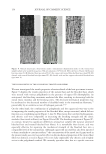
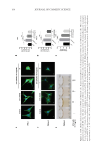
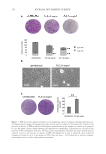
significant reduction in the number of cell dendrites provides further evidence supporting
the potential role of HCP in modulating melanosome transfer processes. We also observed
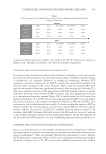
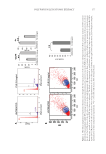
that HCP effectively inhibited the increase of ET-1-induced melanin secretion to the
medium in MelanA cells. Taken together, all the data indicate that HCP possesses a novel
function in inhibiting melanin transfer in melanocytes.
MITF is a critical transcription factor in melanin synthesis, as it plays a central role in
regulating the expression of key proteins involved in melanin synthesis, including TYR
and its related proteins.14 In addition, MITF can bind to the promoter of Rab27A and
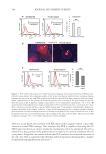
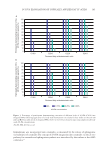
activate its transcription.15 In this study, we found that HCP significantly inhibited MITF
expression in PIG1 and MelanA cells. Based on the evidence of reduced TYR expression
and activity in MelanA cells, it can be inferred that HCP potentially exerts a dual role in
both inhibiting melanin synthesis and suppressing melanin transfer processes.
MITF is regulated by multiple upstream signaling pathways, among which the Wnt/
β-catenin signaling pathway is known to play a role.16 Interestingly, we found that the
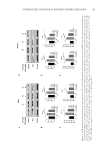
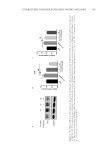
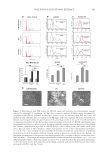
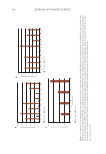
expression of p-GSK-3β and β-catenin was significantly decreased after HCP treatments.
Critically, HCP treatments were able to block the nuclear entrance of β-catenin induced by
ET-1 in both PIG1 and MelanA cells. Obviously, HCP may inhibit melanocyte dendrite
formation and melanin transfer by inactivating the Wnt/β-catenin signaling pathway.
Several studies have reported that the cAMP-dependent protein kinase (PKA) signaling
pathway can also regulate MITF expression and impact Rac1 phosphorylation.17,18 The
potential relations between HCP and PKA signal pathway will be investigated in the
future.
ET-1 is known as a melanogen in UVB-exposed human epidermis.11 In this study, we
demonstrated that ET-1 can enhance the formation of melanocyte dendrite, upregulate
gene expression of MITF, Rab27a, and Rac1, and enhance the activity of the Wnt/β-catenin
signaling pathway. Previous studies showed ET-1 was able to induce MITF expression in
human melanocytes and enhance β-catenin activity in colorectal cancer, which is consistent
with our results.19 Importantly, HCP can fully reverse all the molecular responses induced
by ET-1 in PIG1 and MelanA cells. These results indicate that HCP has the potential to
act as an effective antagonist of ET-1, thereby inhibiting melanin synthesis and transfer in
both PIG1 and MelanA cells.
CONCLUSION
In summary, our study is the first to demonstrate that HCP treatments effectively
suppress melanin transfer in melanocytes by antagonizing ET-1. HCP treatments can
also downregulate melanin synthesis or transfer-related gene expression by inhibiting the
Wnt/β-catenin signaling pathway, which eventually leads to the suppression of dendrite
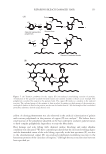
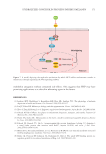
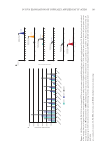
formation and TYR activity (Figure 7). Our results show that HCP may be a potential
moderate concentration, did not hinder cell progression or induce abnormal cell growth,
providing evidence of its safety as a potential skin whitening agent for future clinical
applications.
Several studies showed that melanin in melanosomes moves toward the cell membrane
along the cytoskeleton, in which Rab27a and Rac1 play important roles.12,13 Here, we
demonstrated that HCP can significantly inhibit the expression of Rab27a and Rac1 in
PIG1 and MelanA cells, indicating the potential of HCP in blocking melanin transfer. The
significant reduction in the number of cell dendrites provides further evidence supporting
the potential role of HCP in modulating melanosome transfer processes. We also observed
that HCP effectively inhibited the increase of ET-1-induced melanin secretion to the
medium in MelanA cells. Taken together, all the data indicate that HCP possesses a novel
function in inhibiting melanin transfer in melanocytes.
MITF is a critical transcription factor in melanin synthesis, as it plays a central role in
regulating the expression of key proteins involved in melanin synthesis, including TYR
and its related proteins.14 In addition, MITF can bind to the promoter of Rab27A and
activate its transcription.15 In this study, we found that HCP significantly inhibited MITF
expression in PIG1 and MelanA cells. Based on the evidence of reduced TYR expression
and activity in MelanA cells, it can be inferred that HCP potentially exerts a dual role in
both inhibiting melanin synthesis and suppressing melanin transfer processes.
MITF is regulated by multiple upstream signaling pathways, among which the Wnt/
β-catenin signaling pathway is known to play a role.16 Interestingly, we found that the
expression of p-GSK-3β and β-catenin was significantly decreased after HCP treatments.
Critically, HCP treatments were able to block the nuclear entrance of β-catenin induced by
ET-1 in both PIG1 and MelanA cells. Obviously, HCP may inhibit melanocyte dendrite
formation and melanin transfer by inactivating the Wnt/β-catenin signaling pathway.
Several studies have reported that the cAMP-dependent protein kinase (PKA) signaling
pathway can also regulate MITF expression and impact Rac1 phosphorylation.17,18 The
potential relations between HCP and PKA signal pathway will be investigated in the
future.
ET-1 is known as a melanogen in UVB-exposed human epidermis.11 In this study, we
demonstrated that ET-1 can enhance the formation of melanocyte dendrite, upregulate
gene expression of MITF, Rab27a, and Rac1, and enhance the activity of the Wnt/β-catenin
signaling pathway. Previous studies showed ET-1 was able to induce MITF expression in
human melanocytes and enhance β-catenin activity in colorectal cancer, which is consistent
with our results.19 Importantly, HCP can fully reverse all the molecular responses induced
by ET-1 in PIG1 and MelanA cells. These results indicate that HCP has the potential to
act as an effective antagonist of ET-1, thereby inhibiting melanin synthesis and transfer in
both PIG1 and MelanA cells.
CONCLUSION
In summary, our study is the first to demonstrate that HCP treatments effectively
suppress melanin transfer in melanocytes by antagonizing ET-1. HCP treatments can
also downregulate melanin synthesis or transfer-related gene expression by inhibiting the
Wnt/β-catenin signaling pathway, which eventually leads to the suppression of dendrite
formation and TYR activity (Figure 7). Our results show that HCP may be a potential