213 Polyphenol-metal Complex With Dopamine
ethanolamine emulsion to unfold the hair scales, the dye molecules were able to quickly
penetrate the hair cortex layer to accumulate color development. The oxidative self-
polymerization property of dopamine allows the dye molecules to be adhered to the cortical
layer, fixing the dye molecules to achieve a permanent dyeing effect. Also, the effects of
different parameter conditions (i.e., pH, the molar ratio of GA to Fe(II), dyeing time, and
ethanolamine concentration) on the dyeing effect of natural white hair were investigated.
In addition, the replacement of different polyphenol raw materials or metal raw materials
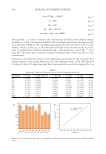
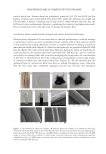
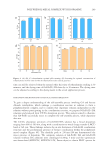
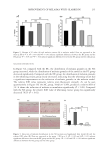
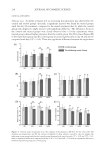
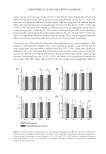
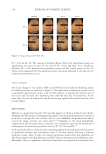
was able to achieve multiple color dying. The ΔE values, SEM characterization results, and
stress-strain curves of the hair indicate the hair dye’s safe and fast dyeing performance. Our
formulation offers a faster and more environmentally friendly alternative to commercial
PPD hair dyes while maintaining safety standards. GA-Fe(II)+DA hair dye has the
potential to replace conventional commercial PPD hair dyes.
REFERENCES
(1)X iao M, Li YW, Zhao JZ, et al. Stimuli-responsive structurally colored films from bioinspired synthetic
melanin nanoparticles. Chem Mater. 2016 28(15):5516-5521. doi:10.1021/acs.chemmater.6b02127
(2)X iao M, Li YW, Allen MC, et al. Bio-inspired structural colors produced via self-assembly of synthetic
melanin nanoparticles. ACS Nano. 2015 9(5):5454-5460. doi:10.1021/acsnano.5b01298
(3) Qi C, Fu LH, Xu H, Wang TF, Lin J, Huang P. Melanin/polydopamine-based nanomaterials for
biomedical applications. Sci China Chem. 2019 62(2):162-188. doi:10.1007/s11426-018-9392-6
(4) Wang CP, Wang D, Dai TJ, et al. Skin pigmentation-inspired polydopamine sunscreens. Adv Funct
Materials. 2018 28(33). Doi:10.1002/adfm.201802127
(5) Morel OJX, Christie RM. Current trends in the chemistry of permanent hair dyeing. Chem Rev.
2011 111(4):2537-2561. doi:10.1021/cr1000145
(6) Nishimura EK, Granter SR, Fisher DE. Mechanisms of hair graying: incomplete melanocyte stem cell
maintenance in the niche. Science. 2005 307(5710):720-724. doi:10.1126/science.1099593
(7) Hedberg YS, Uter W, Banerjee P, et al. Non-oxidative hair dye products on the European market: what
do they contain? Contact Dermatitis. 2018 79(5):281-287. doi:10.1111/cod.13074
(8) Zhang Y, Birmann BM, Han JL, et al. Personal use of permanent hair dyes and cancer risk and mortality
in US women: prospective cohort study. BMJ. 2020 370:m2942. doi:10.1136/bmj.m2942.
(9) Bos JD, Meinardi MM. The 500 dalton rule for the skin penetration of chemical compounds and drugs.
Exp Dermatol. 2000 9(3):165-169. doi:10.1034/j.1600-0625.2000.009003165.x
(10) Jeong MS, Lee CM, Jeong WJ, Kim SJ, Lee KY. Significant damage of the skin and hair following hair
bleaching. J Dermatol. 2010 37(10):882-887. doi:10.1111/j.1346-8138.2010.00916.x
(11) Luo C, Zhou LY, Chiou K, Huang JX. Multifunctional graphene hair dye. Chem. 2018 4(4):784-794.
Doi:10.1016/j.chempr.2018.02.021
(12) Dong YY, Qiu Y, Gao D, et al. Melanin-mimetic multicolor and low-toxicity hair dye. RSC Adv.
2019 9(58):33617-33624. doi:10.1039/c9ra07466j
(13) Im KM, Kim TW, Jeon JR. Metal-chelation-assisted deposition of polydopamine on human hair: A
ready-to-use eumelanin-based hair dyeing methodology. ACS Biomater Sci Eng. 2017 3(4):628-636.
doi:10.1021/acsbiomaterials.7b00031
(14) Geng HM, Zhuang LP, Li MQ, et al. Interfacial assembly of metal-phenolic networks for hair dyeing.
ACS Appl Mater Interfaces. 2020 12(26):29826-29834. doi:10.1021/acsami.0c06928
(15) Jia WN, Li SR, Luo ZX, et al. Laccase-mediated in situ oxidation of dopamine for dyeing of human hair.
Fibers Polym. 2021 22(1):141-148. doi:10.1007/s12221-021-9012-6
(16) Fernandes FHA, Salgado HRN. Gallic acid: review of the methods of determination and quantification.
Crit Rev Anal Chem. 2016 46(3):257-265. doi:10.1080/10408347.2015.1095064
ethanolamine emulsion to unfold the hair scales, the dye molecules were able to quickly
penetrate the hair cortex layer to accumulate color development. The oxidative self-
polymerization property of dopamine allows the dye molecules to be adhered to the cortical
layer, fixing the dye molecules to achieve a permanent dyeing effect. Also, the effects of
different parameter conditions (i.e., pH, the molar ratio of GA to Fe(II), dyeing time, and
ethanolamine concentration) on the dyeing effect of natural white hair were investigated.
In addition, the replacement of different polyphenol raw materials or metal raw materials
was able to achieve multiple color dying. The ΔE values, SEM characterization results, and
stress-strain curves of the hair indicate the hair dye’s safe and fast dyeing performance. Our
formulation offers a faster and more environmentally friendly alternative to commercial
PPD hair dyes while maintaining safety standards. GA-Fe(II)+DA hair dye has the
potential to replace conventional commercial PPD hair dyes.
REFERENCES
(1)X iao M, Li YW, Zhao JZ, et al. Stimuli-responsive structurally colored films from bioinspired synthetic
melanin nanoparticles. Chem Mater. 2016 28(15):5516-5521. doi:10.1021/acs.chemmater.6b02127
(2)X iao M, Li YW, Allen MC, et al. Bio-inspired structural colors produced via self-assembly of synthetic
melanin nanoparticles. ACS Nano. 2015 9(5):5454-5460. doi:10.1021/acsnano.5b01298
(3) Qi C, Fu LH, Xu H, Wang TF, Lin J, Huang P. Melanin/polydopamine-based nanomaterials for
biomedical applications. Sci China Chem. 2019 62(2):162-188. doi:10.1007/s11426-018-9392-6
(4) Wang CP, Wang D, Dai TJ, et al. Skin pigmentation-inspired polydopamine sunscreens. Adv Funct
Materials. 2018 28(33). Doi:10.1002/adfm.201802127
(5) Morel OJX, Christie RM. Current trends in the chemistry of permanent hair dyeing. Chem Rev.
2011 111(4):2537-2561. doi:10.1021/cr1000145
(6) Nishimura EK, Granter SR, Fisher DE. Mechanisms of hair graying: incomplete melanocyte stem cell
maintenance in the niche. Science. 2005 307(5710):720-724. doi:10.1126/science.1099593
(7) Hedberg YS, Uter W, Banerjee P, et al. Non-oxidative hair dye products on the European market: what
do they contain? Contact Dermatitis. 2018 79(5):281-287. doi:10.1111/cod.13074
(8) Zhang Y, Birmann BM, Han JL, et al. Personal use of permanent hair dyes and cancer risk and mortality
in US women: prospective cohort study. BMJ. 2020 370:m2942. doi:10.1136/bmj.m2942.
(9) Bos JD, Meinardi MM. The 500 dalton rule for the skin penetration of chemical compounds and drugs.
Exp Dermatol. 2000 9(3):165-169. doi:10.1034/j.1600-0625.2000.009003165.x
(10) Jeong MS, Lee CM, Jeong WJ, Kim SJ, Lee KY. Significant damage of the skin and hair following hair
bleaching. J Dermatol. 2010 37(10):882-887. doi:10.1111/j.1346-8138.2010.00916.x
(11) Luo C, Zhou LY, Chiou K, Huang JX. Multifunctional graphene hair dye. Chem. 2018 4(4):784-794.
Doi:10.1016/j.chempr.2018.02.021
(12) Dong YY, Qiu Y, Gao D, et al. Melanin-mimetic multicolor and low-toxicity hair dye. RSC Adv.
2019 9(58):33617-33624. doi:10.1039/c9ra07466j
(13) Im KM, Kim TW, Jeon JR. Metal-chelation-assisted deposition of polydopamine on human hair: A
ready-to-use eumelanin-based hair dyeing methodology. ACS Biomater Sci Eng. 2017 3(4):628-636.
doi:10.1021/acsbiomaterials.7b00031
(14) Geng HM, Zhuang LP, Li MQ, et al. Interfacial assembly of metal-phenolic networks for hair dyeing.
ACS Appl Mater Interfaces. 2020 12(26):29826-29834. doi:10.1021/acsami.0c06928
(15) Jia WN, Li SR, Luo ZX, et al. Laccase-mediated in situ oxidation of dopamine for dyeing of human hair.
Fibers Polym. 2021 22(1):141-148. doi:10.1007/s12221-021-9012-6
(16) Fernandes FHA, Salgado HRN. Gallic acid: review of the methods of determination and quantification.
Crit Rev Anal Chem. 2016 46(3):257-265. doi:10.1080/10408347.2015.1095064