238 JOURNAL OF COSMETIC SCIENCE
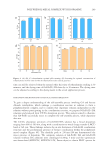
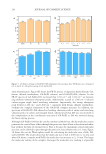
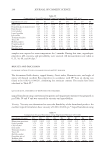
(P 0.01) on day 28. The content of melanin (Figure 5D) in the experiment group was
significantly decreased on days 14, 28, and 56 (P 0.01), and there was a significant
difference (P 0.01) between the experiment group and the control group on day 56.
These results suggested that the whitening serum containing glabridin is also effective for
brightening nonmelasma areas.
VISIA-CR ANALYSIS
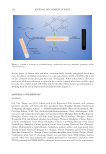
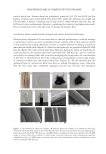
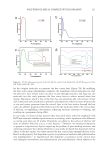
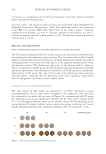
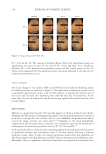
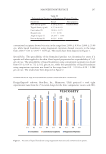
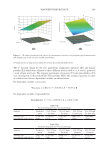
The visual changes of two subjects (NO.12 and NO.16) treated with the whitening serum
for different periods are observed in Figure 6. The application of whitening serum caused
a remarkable improvement of skin color for both subjects. A significantly reduced area of
skin stain and increased skin lightening were observed after day 56 treatments. At the
same time, the area of melasma in the facial skin was significantly reduced and the color
became lighter.
DISCUSSION
Melasma is a pigmentary disorder that typically appears on the face, forehead, and cheeks.
Although the effectiveness of depigmenting agents (containing hydroquinone) or chemical
peels (lactic acid, glycolic acid, ascorbic acid, etc.) was confirmed, the potential side effects
caused the rising concerns over their safety.15,16 Glabridin, as the main hydrophobic
component of the flavonoid extract, uralensis, was confirmed to prevent the formation of
melanogenesis by decreasing tyrosinase activity (IC 50: 0.43 µmol/L).17,11
In this study, the efficacy of this formula containing glabridin was evaluated in the treatment
of epidermal melasma and nonmelasma areas in Chinese women utilizing a bilateral
(split-face) model. After 56 days, the clinical experiment results show that glabridin can
effectively improve the skin glossiness and ITA value in melasma and nonmelasma areas.
Meanwhile, there are significant reductions of melasma area proportion in melasma areas
Figure 6. Images obtained by VISIA-CR.
(P 0.01) on day 28. The content of melanin (Figure 5D) in the experiment group was
significantly decreased on days 14, 28, and 56 (P 0.01), and there was a significant
difference (P 0.01) between the experiment group and the control group on day 56.
These results suggested that the whitening serum containing glabridin is also effective for
brightening nonmelasma areas.
VISIA-CR ANALYSIS
The visual changes of two subjects (NO.12 and NO.16) treated with the whitening serum
for different periods are observed in Figure 6. The application of whitening serum caused
a remarkable improvement of skin color for both subjects. A significantly reduced area of
skin stain and increased skin lightening were observed after day 56 treatments. At the
same time, the area of melasma in the facial skin was significantly reduced and the color
became lighter.
DISCUSSION
Melasma is a pigmentary disorder that typically appears on the face, forehead, and cheeks.
Although the effectiveness of depigmenting agents (containing hydroquinone) or chemical
peels (lactic acid, glycolic acid, ascorbic acid, etc.) was confirmed, the potential side effects
caused the rising concerns over their safety.15,16 Glabridin, as the main hydrophobic
component of the flavonoid extract, uralensis, was confirmed to prevent the formation of
melanogenesis by decreasing tyrosinase activity (IC 50: 0.43 µmol/L).17,11
In this study, the efficacy of this formula containing glabridin was evaluated in the treatment
of epidermal melasma and nonmelasma areas in Chinese women utilizing a bilateral
(split-face) model. After 56 days, the clinical experiment results show that glabridin can
effectively improve the skin glossiness and ITA value in melasma and nonmelasma areas.
Meanwhile, there are significant reductions of melasma area proportion in melasma areas
Figure 6. Images obtained by VISIA-CR.