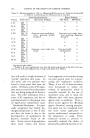
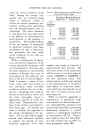
GERMICIDAL SOAPS AND COSMETICS 129 upon the normal excretion of the body. Among the several com- pounds that are currently being added to deodorant creams or lotions are certain quaternary am- monium surface-active germicides and the hexachlorophene class of compounds. The latter chemicals in soap bases have also been found to be effective in minimizing bac- terial growths in the presence of perspiration. The beneficial effects of the two groups of compounds in deodorant products have been established not only in laboratory test procedures but also under actual conditions of use when ap- plied to the body. While a consideration of labora- tory and clinical evaluations of the various germicidal deodorants will not be presented at this time, data has been obtained on the probable numbers of bacteria that may be encountered on the underarm sur- faces of the skin of normal subjects. Table 3 presents a series of bac- terial counts that were found on two individuals under controlled conditions without the use of deo- dorants. Samplings were made by the use of small pads of cotton and the latter thoroughly rinsed in appropriate amounts of sterile dis- tilled water. Representative sam- ples of the solution were plated in beef extract agar. No attempt was made to identify the organisms in the colonies developing in the me- dium. Nor was the medium supple- mented with additional nutrients to support the growth of more fastidious organisms. Five swab TABLE 3--DETERMINATION OFTHE BACTERIAL COUNTS OF UNDER-ARMS Numbers of Bacteria Removed Subject No. 1 Subject No. 2 Left Under-arm Pad No. 1 2 3 4 5 1,500,000 310,000 832,000 1,488,000 338,000 1,054,000 290,000 5,000 132,000 280,000 Total 3,092,000 3,137,000 Right Under-arm PadNo. 1 7,000,000 240,000 2 1,240,000 2,600,000 3 1,360,000 3,600,000 4 1,240,000 992,000 5 418,000 682,000 Totalii,258,000 8,214,000 samples were made at intervals of approximately five minutes. The sum total counts of the under-arms will be noted to vary from approxi- mately 3,000,000 to 10,000,000 in the five specimens taken. This test procedure could be well adapted to the determination of the germi- cidal effects of under-arm deodo- rants which are advocated for use in the form of creams, lotions, pow- ders, soaps, etc. While not directly applicable to incorporation in germicidal soaps and cosmetics for deodorizing activ- ity, chlorophyll-like products have recently been described as possessing deodorizing properties in certain surgical or pathological conditions in some patients (18, 19). There is also evidence that the chlorophyl- lins will actually have an effect on body perspiration odors (20).

130 JOURNAL OF THE SOCIETY OF COSMETIC CHEMISTS There are scattered references in the literature on the prevention and neutralization of offensive odors in surgical and pathological conditions by the use of quaternary ammonium surface-active germicides (21). While some of this activity of this class of compounds can be attributed to the ability of the germicides to inhibit the growth of proteolytic organisms in diseased or patho- logical tissues, body excreta, etc., there are indications that the chemi- cals may actually combine with and neutralize certain aromatic sub- stances (22). Germ-Free CS'earns. Certain fats and oils will become actively germi- cidal following exposure to ultra- violet light to the extent that bacteria have been found to be killed when placed within a short distance of the irradiated sub- stances. As an example of this action, a mixture of petrolatum and lanolin, which had been irradiated with ultra-violet light for two hours, proved to be lethal for S. aureus although the period of exposure of the organisms to the treated mix- ture was approximately twenty- four hours (23). It is probable that this germicidal action of the irra- diated oils is due to the liberation of hydrogen peroxide from the materials as a direct result of ultra- violet activity (24). In clinical experiences ultra-violet irradiated oils have been found to have a slow but definite action in the elimination of infections and also to stimulate growth processes in tissue repair (25, 26). These observations are apparently the basis for the appearance of the "germ-free" cold creams that have been on the market for the past few years. The incorporation of hexa- chlorophene and related chemicals in creams can be expected to largely supplant treatment of these prod- ucts which were formerly irradiated with ultra-violet light. Germicides and Deodorants in Oral Hygiene. The practice of incorpor- ating ingredients with pleasant odors and tastes to oral prepara- tions such as mouth washes and tooth pastes, powder, and liquids has been carried out for years. Many of these products contained ingredients that provided merely "masking" agents that counter- acted the unpleasant odors of cer- tain consumed foods, beverages, tobacco odors, etc., but had no direct effect in neutralizing the latter materials themselves. This does not imply that the mechanical brushing or cleansing of the teeth has no beneficial effects in minimiz- ing odors originating from the mouth due to bacterial decomposi- tion of foods. Considerable evi- dence has been made available to indicate that much of the undesir- able conditions in oral hygiene is actually due to the failure of re- moval of residual food particles from between teeth which may also result in a higher incidence of dental caries if allowed to remain here. Much of the trend in the improve- ment of preparations for oral hy- giene during the past several years has been directed to the incorpora-
Purchased for the exclusive use of nofirst nolast (unknown)
From: SCC Media Library & Resource Center (library.scconline.org)