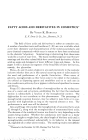
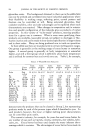
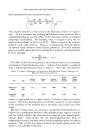
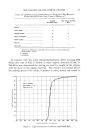
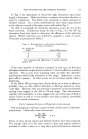
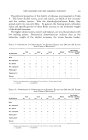
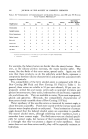
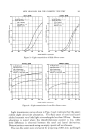
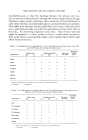
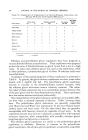
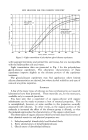
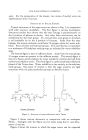
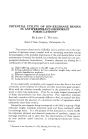
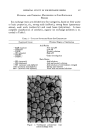
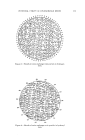
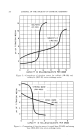
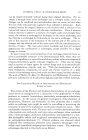
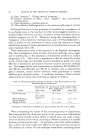
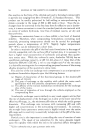
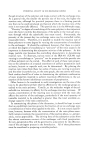
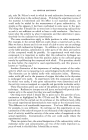
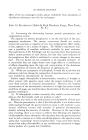
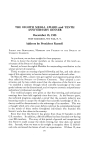
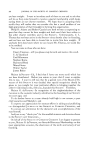
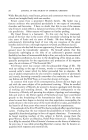
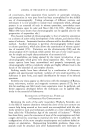
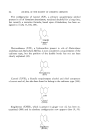
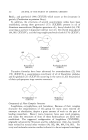
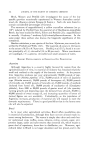
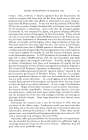
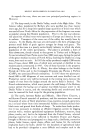
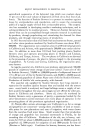
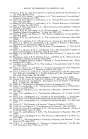
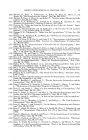
NEW SILICONES FOR THE COSMETIC INDUSTRY TABLE 2B--CoMPARISON OF COMPATIBILITY OF SALICYLATE END-BLoCKED i•LUIDS AND 200 i•LUIDS WITH VARIOUS MATERIALS* 237 Sulicylute Dow Corning 200 Fluid End Blocked FluidO' 20•s Glycerine .................................... i Stcuryl alcohol ............................... C Isopropyl myristute ............................ C Glyceryl manustearute ......................... C Diglycol stearate ............................. C Oleic acid ................................... i Steorlc acid .................................. C * Tested at room temperature as a mix made up of 1 part silicone to 10 parts material listed. * * Me•SiO Content -- 12 units. C---compatible i--incompatible In contrast with the usual dimethylpolysiloxane (Dow Corning 200) fluids, this type of fluid is soluble in many organic materials (Table 2). Solubility was determined by mixing one part by weight of the silicone with ten parts of the organic material. The mixture was heated (above the melting point of the solids, if present in mix), stirred and cooled to I00 •- 7O •. 60 o _ • 50 c- ,- 40 "3 30 Cell = Standard Path Length • 1 Reference • Air 280 290 300 310 320 330 340 350 360 3?0 380 390 400 410 420 Vv'AVE LENGTH, rnilhrmcrons Figure 1. Light transmission of salicylate end-blocked fluid.

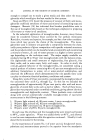
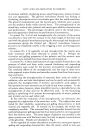
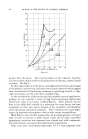
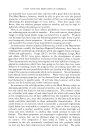
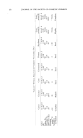
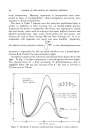
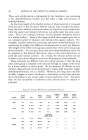
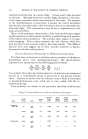
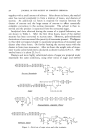
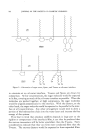
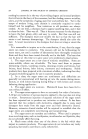
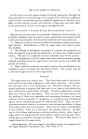
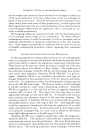
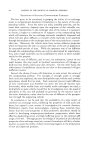
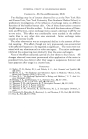
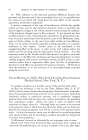
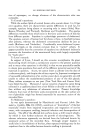
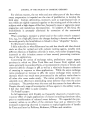
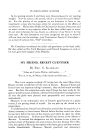
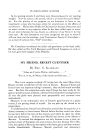
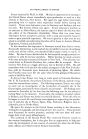
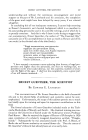
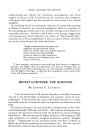
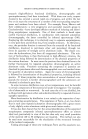
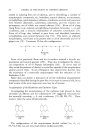
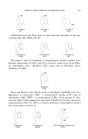
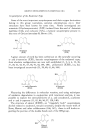
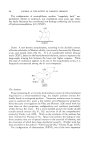
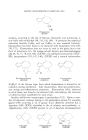
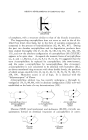
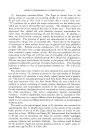
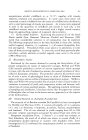
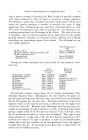
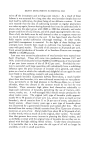
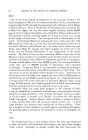
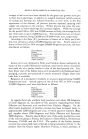
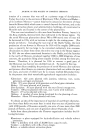
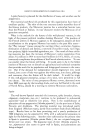
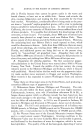
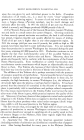
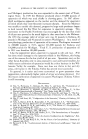
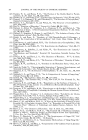
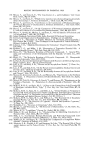
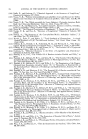
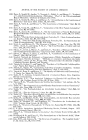
238 JOURNAL OF THE SOCIETY OF COSMETIC CHEMISTS room temperature. Haziness, separation or precipitation were inter- preted as signs of incompatibility, while homogeneity and clarity were assumed to denote compatibility. The data in Table 2 indicate that the salicylate end-blocked fluid is similar in solubility to Dow Corning 555, an alcohol-soluble silicone. In general, the former is compatible with 99 per cent isopropanol animal fats and waxes esters such as isopropyl myristate, diglycol stearate and glyceryl monostearate fatty acids hydrocarbon oils and waxes and silicone oils such as Dow Corning 200 and Dow Corning 555. It is in- compatible with vegetable oils, water and most alcohols. Apparently. COO--, the addition of the salicylate radical, (•OH to the dimethyl structure is responsible for this increased solubility over a dimethylpoly- siloxane fluid of about the same molecular weight. As might be expected the salicylate end-blocked fluids absorb ultraviolet light. In Fig. 1 the light transmission is plotted against the wave length. The transmittance for a fluid containing 12 dimethylsiloxane units is negligible below 350 mt•, but increases from 0.7 per cent at 350 mt• to 91.9 per cent at 370 mu. i.o •. 0.5 Cell = $•andord Ret ....... Eehyl Alcohol CiH • CiH • CiH• OH CH• CH• CH, OH • • I 1.6 ß 10 • gm,gm,/lite• • X • 12 • 11.6
•Co•c.
•Conc ß 10 • (Co•c. • 2 ß 10 • gm,/life• I I I 260 300 340 WAVE LENGTH, Figure 2.--Absorption of salicylate end-blocked fluid compared to methyl salicylate.
Purchased for the exclusive use of nofirst nolast (unknown)
From: SCC Media Library & Resource Center (library.scconline.org)