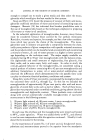
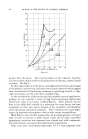
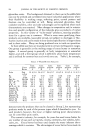
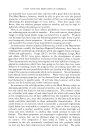
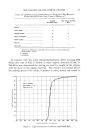
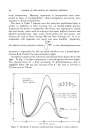
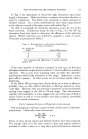
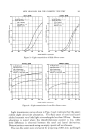
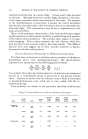
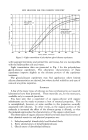
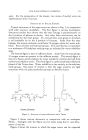
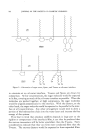
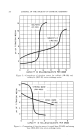
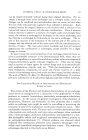
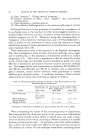
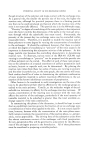
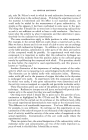
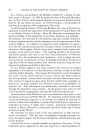
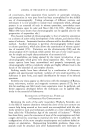
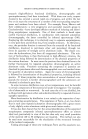
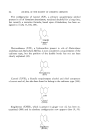
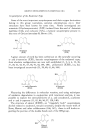
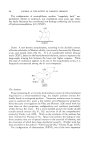
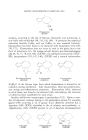
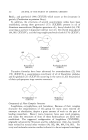
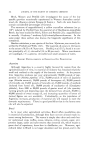
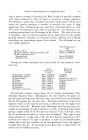
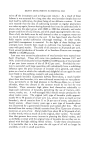
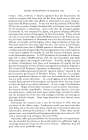
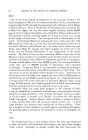
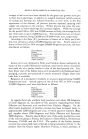
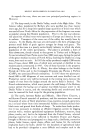
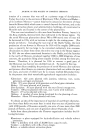
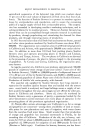
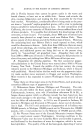
NEW SILICONES FOR THE COSMETIC INDUSTRY 243 OCTYL ESTER lOO low Me•SiO content high Me•SiO content Cell = Standard -- Path Length = I cm / Reference • Air / / ,' / / ! - / / 8O 60 4o 20 240 280 320 360 400 420 LAURYL ESTER low Me•SiO content .... -- high Me2SiO content .... Cell = Standard ----- Path Length = I cm- Reference = Air // __ ß // // // // //./ : 240 280 320 360 400 420 WAVE LENGTH, millimicrons ß Figure &--Light transmission of fluid silicone esters. STEARYL ESTER BEHENYL ESTER , , low Me•SiO content high Me,SiO content Cell = Sandwich Ponel Path Length = 0.025 mm Reference = Clean Quartz Slide .•' 20 240 280 320 360 400 420 , , , , law MemSiO content -- high MesSiO content .... Cell = Sandwich Panel _ Path Length = 0.025 mm Reference • Clean Quartz Slide I 240 280 320 360 400 420 WAVE LENGTHß mdhm•crons Figure 4.--Light transmission of wax-like silicone esters. Light transmission curves shown in Figs. 3 and 4 indicate that the esters exhibit slight ultraviolet absorption. The fluid esters of octyl and lauryl alcohol transmit very little light at wavelengths less than 320 rn•. Greater absorption is noted where the dimethylsiloxane content is low, while little difference is observed between the octyl and lauryl derivatives. Determinations were made using an empty quartz cell as reference. The wax-like esters were evaluated by preparing a 0.02S-min. pathlength

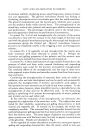
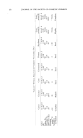
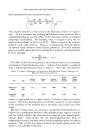
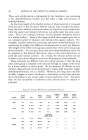
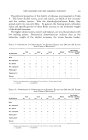
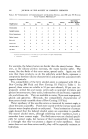
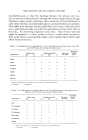
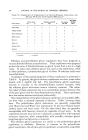
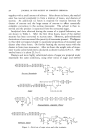
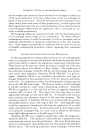
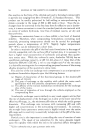
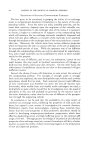
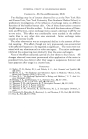
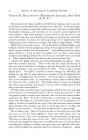
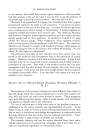
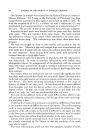
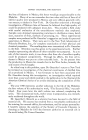
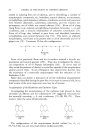
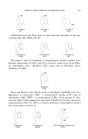
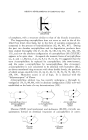
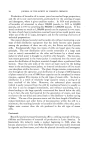
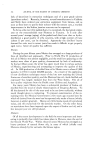
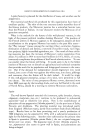
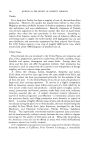
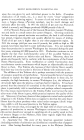
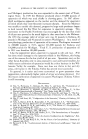
244 JOURNAL OF THE SOCIETY OF COSMETIC CHEMISTS sandwich panel between two quartz slides. A clean quartz slide was used as reference. Although these esters exhibit slight absorption in the ultra- violet range, anomalous results were obtained in this series. For example, as the dimethylsiloxane concentration increased the stearyl derivatives absorbed less ultraviolet light, while the behenyl derivatives absorbed more ultraviolet light. This inconsistency may be due to imperfections in the sandwich panel films. Many of the properties characteristic of the fatty alcohol esters suggest specific applications where greater solubility is needed along with retention of the typical silicone properties. The wax-like esters appear to be espe- cially intriguing. Prior to these materials, the only silicones which have been described to the cosmetic industry have been liquids. This different physical form may suggest use of these wax-like materials in lipstick, lip pomade and other solid products. GLYOOL-SILoX^NE COPOLYMERS OF DIMETHYLPOLYSILOXANE The third class of materials is acid-free reaction products of ethylene or polyethylene glycol with dimethylpolysiloxane. The glycol-siloxane copolymers are represented by the following general formula: Me HH Me Me MeSiO(CCO)m (SiO),• SiMe m • 1 Me HH Me Me n 5 0 It is unlikely that either the ethylene glycol or its polymers are terminated directly by a trimethylsilyl group as portrayed in the general formula above. Instead, we believe that the ethylene oxide is likely to be bonded to dimethylpolysiloxane units which are, in turn, ended with the tri- methylsilyl groups. These polymers are similar to the previously described alcohol-ended TABLE 6--TYPICAL PROPERTIES OF GLYCOI.-SILoXANE COPOLYMERS Refractive Specific Surface Me2SiO Freezing Index, Gravity, Tension, Viscosity, G•yco• Content Co•or Point at 25 C 25C/25C dyne/era cs at 25 C Polyethylene Glycol 400 law water 4 C 1.4620 I. 112 Z7.6 97.9 white medium water --2 C 1.4552 I.I O0 24.6 141.3 white high water --3 C 1.4367 1.053 24.6 445.0 white Ethylene Glycol medium water -- 1.4287 13.8 white high water -- 1.4300 13.3 white
Purchased for the exclusive use of nofirst nolast (unknown)
From: SCC Media Library & Resource Center (library.scconline.org)