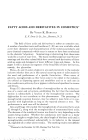
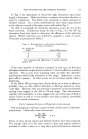
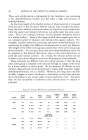
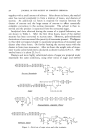
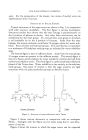
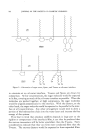
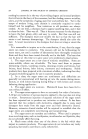
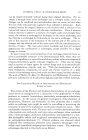
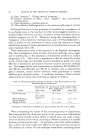
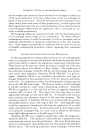
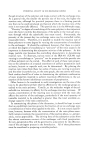
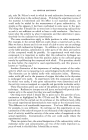
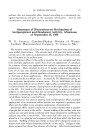
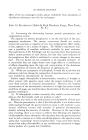
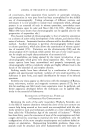
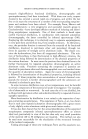
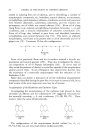
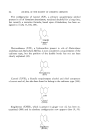
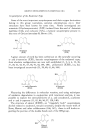
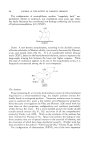
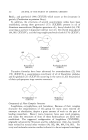
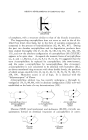
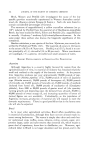
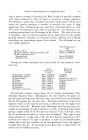
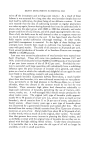
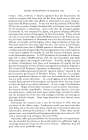
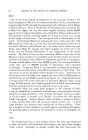
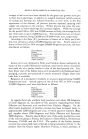
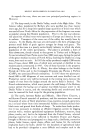
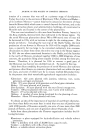
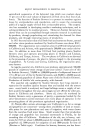
RECENT DEVELOPMENTS IN ESSENTIAL OILS 301 (-J-)-Longifolene (XXXVIII) of camphene, with a structure similar to that of the bicyclic •-santalene. The long-puzzling caryophyllene does not occur as such in the oil dis- tilled from dried clove buds, but in the form of complex compounds de- composed in the process of hydrodistillation (62, 64, 105, 107). During the past two decades caryophyllene and its degradation products have been studied thoroughly (10, 27, 47, 48, 52, 110, 134, 135, 141, 142, 149, 151), and now the absolute configuration of caryophyllene (18) (XXXIX) appears to be quite clear. As regards the isomeric forms of caryophyllene (a-, •- and 3'-), Barton, eta/., (6, 8, 13, 14, 15, 16, 17) suggested that the term •-caryophyllene be replaced by caryophyllene (the trans-isomer), and the name •,-caryophyllene by isocaryophyllene (the cis-isomer). a-Caryophyllene is now considered to be identical with humulene (XL), an eleven-membered ring structure with three double bonds, the positions of which remain doubtful (32, 33, 34, 35, 49, 57, 58, 59, 70, 79, 149, 157, 158, 159). Humulene occurs in oil of hops. It is identical with the "didymocarpene" of Clemo. fi-Caryophyllene alcohol, too, has recently undergone a thorough in- vestigation (14, 53, 88, 90), with its absolute configuration (XLI) now well established on the basis of x-ray determinations (139). I . • /---e• I OH Caryophyllene (tran -) Humulene . fi-Caryophyllene (fi-Caryophyllene) (a-Caryophyllene) Alcohol (XXXIX) (XL) (XLI) Clovene (XLII) (and isoclovene) and •-clovene (XLIII), tricyclic ses- quiterpenes formed on chemical treatment of caryophyllene or caryo- I ,x/•e• / Clovene •-Clovene (XL!I) (XLIII)

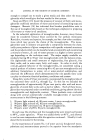
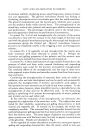
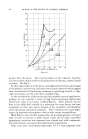
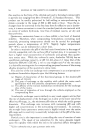
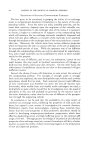
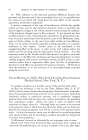
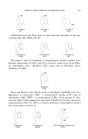
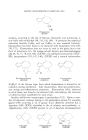
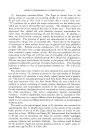
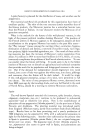
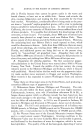
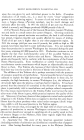
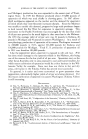
302 JOURNAL OF THE SOCIETY OF COSMETIC CHEMISTS phyllene alcohol, respectively, have also been reinvestigated (5, 7, 88, 89, 90) and new structures have been assigned to them at least tentatively. 'Cedrene and cedrol: These baffling compounds have been under in- vestigation (144) since their isolation from cedarwood oil (yuniperus virginiana L.) sixty years ago. It was only recently that structural formulas could be suggested for these tricyclic sesquiterpenes (129, 130, 165) they conform with the various compounds obtained by oxidative degradation of cedrene (XLIV) and cedrol (XLV) in the course of earlier investigations. Last year the structure of cedrol was confirmed by an unambiguous, stereospecific, total synthesis (165). Diterpenes CHo , __/,/ '•OH Cedrene Cedro] (XLIV) (CLV) Space does not permit a discussion of recent developments in the field of diterpenes which occur in essential oils. For a review the reader is re- ferred to an excellent article by Haagen-Smit (68), which also includes a discussion of the biogenesis of the sesquiterpenes and diterpenes, and an explanation of modern nomenclature. Moreover, the paper of Haagen- Smit goes into the stereochemistry of some of the more important ses- quiterpenes and direrpenes. RESEARCH ON AUSTRALIAN ESSENTIAL OIL-BEARING FLORA I. Physiological Forms About thirty years ago a group of chemists and botanists, including Penfold of the Museum of Applied Arts and Sciences in Sydney, Aus- tralia, made a striking discovery. On the occasion of an excursion to the interior of the coun.try they observed eucalyptus trees that were mor- phologically identical, but the leaves of which on distillation yielded es- sential oils of entirely different chemical composition. A closer study led to the introduction of the term "physiological forms," as the trees in question were of the same botanical variety. In the course of years many cases of physiological forms have been discovered among the species of Eucalyptus, Melaleuca and related Australian flora (64). This work has been pursued actively by Penfold and his collaborators, and in the last few years a number of new physiological forms have been observed and studied by the scientists of the above mentioned museum. The oils derived from these forms will be described briefly:
Purchased for the exclusive use of nofirst nolast (unknown)
From: SCC Media Library & Resource Center (library.scconline.org)