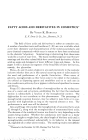
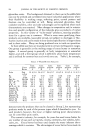
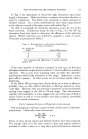
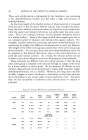
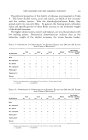
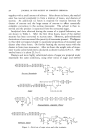
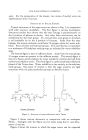
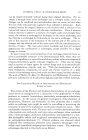
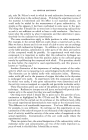
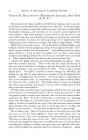
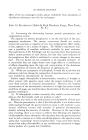
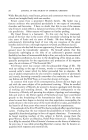
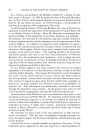
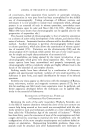
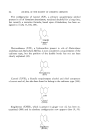
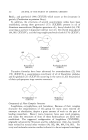
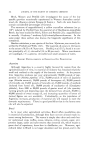
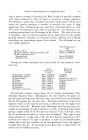
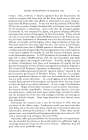
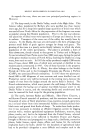
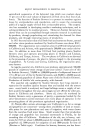
RECENT DEVELOPMENTS IN ESSENTIAL OILS 299 I CH• % CH• Chamazulene (xxvi) azulenes, occurring in the oils of German chamomile and wormwood, is now fairly well established (98, 111, 156, 169). It possesses the empirical molecular formula C•4H•0, and not C•5H•8, as was assumed formerly. Chamazulene has been found to be identical with lindazulene (153, 169, 170, 171). Chamazulene does not occur as such in the plant, but in the form of precursors, viz., the orange-colored lactone pro-chamazulenogene (28, 29, 76, 77, 78, 163, 164) (XXVII), the aidehyde lacartoviolin (XXV- III), lactarazulene (131, 147, 148), (XXIX) and a natural hydrocarbon Lactaroviolin Lactarazulene (XXVIII) (XXIX) (C•t-I207) of the fulvene type, from which chamazulene is formed by air oxidation during distillation. Like chamazulene, these pro-azulenes pos- sess strong anti-inflammatory properties. Elemazulene (145), observed in oil of demi, was found to be identical with vetivazulene, the structure of which has been established for some years. Another well-known sesquiterpene is guaiazulene (152). Quite a num- ber of important azulenes belong to the guaiazulene group, for example, guaiol (144) occurring in oil of guaiac wood (Bulnesia sarmienti Lor.) b-guaiene (150) (XXX) identified in oils of calamus and patchouly a- chigadmarene (136) (XXXI) present in oil of Lansium annamalayanum &Guaiene a-Chigadmarene Partheniol (xxx) (xxx•) (xxxH)

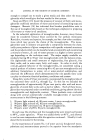
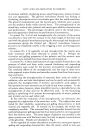
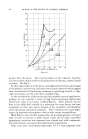
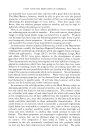
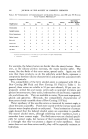
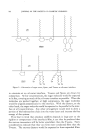
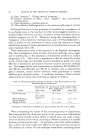
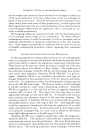
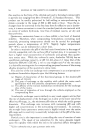
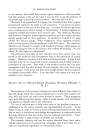
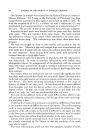
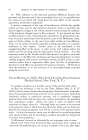
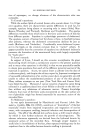
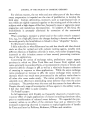
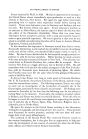
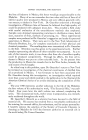
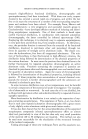
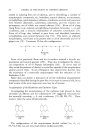
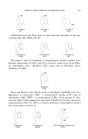
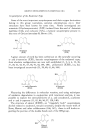
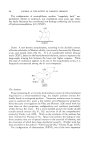
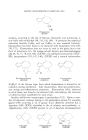
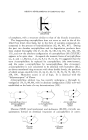
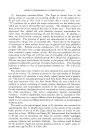
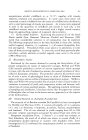
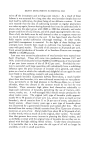
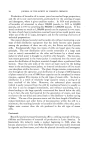
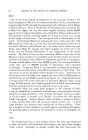
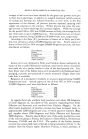
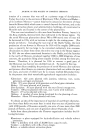
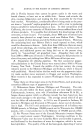
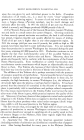
300 JOURNAL OF THE SOCIETY OF COSMETIC CHEMISTS Bedd. and partheniol (144) (XXXII) which occurs as the cinnamate in guaiule (Parthenium argentatum Gray). In addition, the structures of several sesquiterpene oxides have been established, among them germacrol (175) (XXXIII) present in oil of Geranium macrorrhizum (Bulgarian geranium oil) kessyl alcohol (64, 178) occurring as acetate in Japanese valerian root oil the related kesso glycol (64, 181) (XXXIV) and the long-sought patchouly alcohol (176) (XXXV). II Germacrol (XXXlII) OH I [ Kesso Glycol Patchouly Alcohol (xxx•v) (xxxv) Tentative formulas have been advanced for aromadendrene (22, 144, 179) (XXXVI), a sesquiterpene constituent of oil of Eucalyptus globulus, and for globulol (25) (XXXVII) occurring in the same oil, but the position of their cyclopropane rings remains uncertain. OH Aromadendrene (?) Globulol (?) (xxxv•) (xxxvn) Compounds of More Complex Structure Longifolene, caryophyllene, and humulene: Because of their complex character the sesquiterpenes of this group for many years resisted all attempts at elucidation, despite a great amount of work on the part of leading researchers. Recent years, however, have seen much progress, and today the structures of most of these hydrocarbons are fairly well established. The suggested configuration of longifolene (XXXVIII), originally advanced by Simonsen and his collaborators (144), has recently been revised by several other workers (99, 102, 104, 109, 114, 185). Its x-ray and molecular rotation studies indicate it to be an isoprene homologue
Purchased for the exclusive use of nofirst nolast (unknown)
From: SCC Media Library & Resource Center (library.scconline.org)