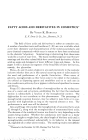
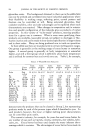
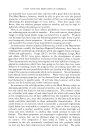
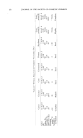
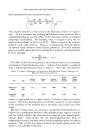
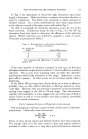
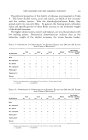
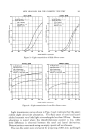
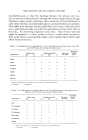
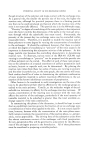
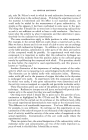
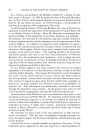
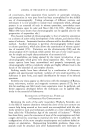
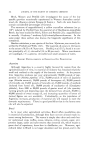
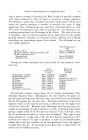
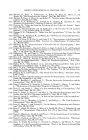
NEW SILICONES FOR THE COSMETIC INDUSTRY 241 The physical properties of this family of silicones are presented in Table 4. The lower alcohol esters, octyl and lauryl, are fluids of low viscosity and low surface tension. Like the dimethylpolysiloxane fluids, they spread easily into non-oily films. In general, the freezing point, refractive index and specific gravity of these fluids increase as the molecular weight of the alcohol increases. The higher alcohol esters, stearyl and behenyl, are wax-like products with low melting points. Penetration determinations indicate that as the molecular weight of the alcohol increases, the waxes become harder. 'FABLE 5--COMPARISON OF COMPATIBILITY OF SILICONE ESTERS AND 200 AND 555 FLUIDS WITH VARIOUS MATERIALS q• Dew Corning Octyl Lauryl Stearyl Behenyl 555 Fluid 200 Fluid Me,SiO Cantent law hi low hi low hi low hi 350 cs Water J i i i i i i i i i 70% Isoproponol i J i i i i i i i i 95 % Ethanol C C C i i i C i C i 99% Isoprop •nol C C C C C C i i C Ethylene glycol i i i i i i i i i i Propylene gly' •1 i i i i i i i C i i Glycerine i i i i i i i i i i ø Teste:l at room temperature as o mix made up of J part silicone to 10 parts moterrol hsted C compatible i--incompatible TABLE 5A--CoMPARISON OF COMPATIBILITY OF SILICONE ESTERS AND 200 AND 555 FLUIDS WITI-I VAKIOUS MATEKIALS* Daw Corning Octyl Lauryl Stearyl Behenyl 555 Fluid 200 Fluid M%SiO Content low hi low hi low hi low hi 350 cs Water i i i i i i i i i i 70% Isapropanol i i i i i i i i i i ß 95 % Ethanol C C C i i i i i C • 99% Isoproponol C C C C C C i i C i Ethylene glycol i i i i i i i i i i Propylene glycol i i i i i i i C i i Glycerine i I i i i i i i i i Tested at room temperature os o mix made up of I port sd•cone to 10 parts material hsted C -compatible •--incompat•ble

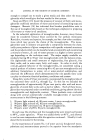
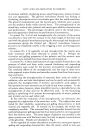
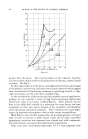
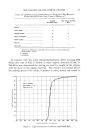
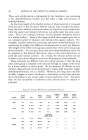
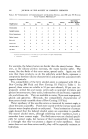
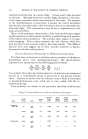
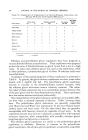
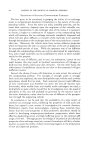
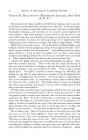
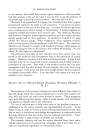
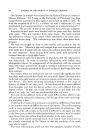
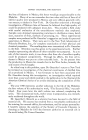
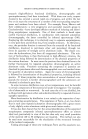
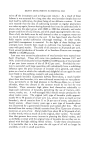
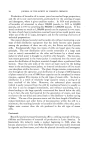
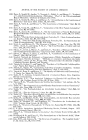
242 JOURNAL OF THE SOCIETY OF COSMETIC CHEMISTS TABLE 5B--CoMPARISON OF COMPATIBILITY OF SILICONE ESTERS AND 200 A•r 555 FLUmS WITH VARIOUS MATERIALS* Dow Corning Octyl Lauryl Stearyl Behenyl 555 Fluid 200 Fluid Me•.$jO Confenf Low hi law hi law hi low hi 350 cs Stearyl alcohol C C C C C C C C C i [sopropyl myr[state G i C i C C C i C C Glyccryl monastearate C C C C C C C C C i Diglycol stearate C C C C C C C C C i OIclc acid C C C C C C C C C • Stearic acid C C C C C C C C C i 200 Fluid, 100 cs C C i i i i i i C C 555 Fluid C C C C C C C C C i Tested at room temperature os o m•x made up of ] part sdlcone to I0 ports material listed C compat,ble , ,ncompat•ble For example, the behenyl esters are harder than the stearyl esters. How- ever, as the silicone portion increases, the waxes become softer. The waxes, like the fluids of this ester series, spread easily. Again you will note that these products, as do the salicylate ended fluids, represent a compromise between silicone characteristics and properties associated with organic chemicals. The compatibility of the fatty alcohol esters is compared with 350 cs. Dow Corning 200 Fluid and Dow Corning 555 Fluid in Table 5. In general, these esters are soluble in 95 per cent ethanol 99 per cent iso- propanol animal fats and waxes esters such as isopropyl myristate and glyceryl monostearate fatty acids hydrocarbon oils and waxes vegetable oils, and silicone oils. They are insoluble in water, 70 per cent isopropanol, glycols and glycerine. Obviously, the compatibility characteristics of these esters closely resemble those of Dow Corning 555 Fluid. Water repellency of the wax-like esters as measured by contact angle, is about the same as paraffin. Panels were coated with the various waxes and discrete water droplets placed on each panel. Visual estimation of contact angle showed that the behenyl alcohol esters are equivalent to paraffin. The stearyl alcohol esters, although exhibiting water repellency, have a somewhat lower contact angle. The fluid esters were not checked specifi- cally for contact angle, but because of their incompatibility with water, it is thought that they too possess a degree of water repellency. Since water does not wet these esters readily, they will be especially resistant to hydrolysis.
Purchased for the exclusive use of nofirst nolast (unknown)
From: SCC Media Library & Resource Center (library.scconline.org)