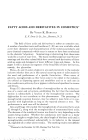
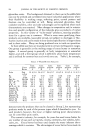
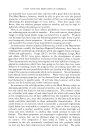
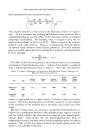
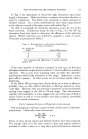
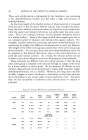
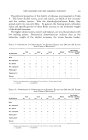
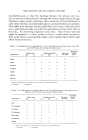
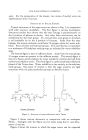
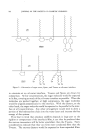
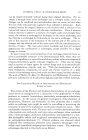
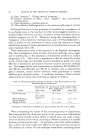
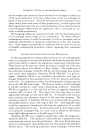
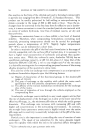
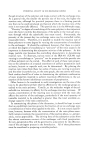
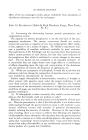
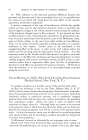
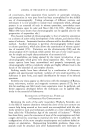
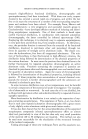
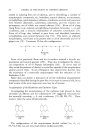
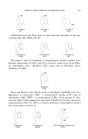
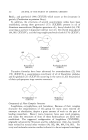
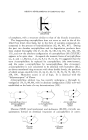
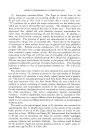
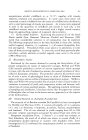
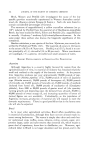
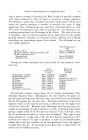
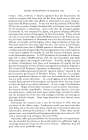
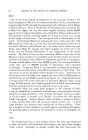
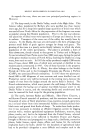
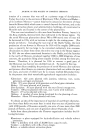
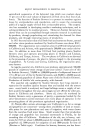
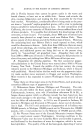
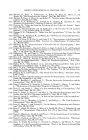
NEW SILICONES FOR THE COSMETIC INDUSTRY 245 dimethylsiloxanes in that the bonding between the silicone and non- silicone portion of the molecule is through the carbon-oxygen-silicon linkage. Therefore, under proper conditions, these materials can be hydrolyzed to yield either ethylene or polyethylene glycol and dimethylsiloxane polymer. They differ from the fatty alcohol ended fluids and waxes in that the ethyl- ene or polyethylene oxide are within the polysiloxane chain rather than at the ends• An interesting conjecture arises here. One of these materials might be applied to a moist surface so that it would slowly hydrolyze. This would yield an incompatible, highly water repellent fluid which might afford better protection. TABLE 7--COMPARISON OF COMPATIBILITY OF GLYCOL-SILOXANE COPOLYMERS AND 200 As•) 555 FLUmS WIT• VARIOUS MAdrERIALS * Dow Corning Ethylene glycol Polyethylene glycol 400 Dow Corning 200 Fluid Id%SiO Content Ided. Hi Low Med. Hi 5• Fluid 350 cs Beeswox C C Lonolin C C C C C C Idlnerol oil Petrolotum i Poroffin i i C i i C i Ozokerite i i C C C C i Secoroe oil Tested ot room temperoture os o mix mode up of I port sd•cone to 10 ports materio1 listed C-•compobb•e i--incompot•ble TABLE 7A--CoMPARISON Or COMPATIBILITY OF GLYCOL-SILOXANE COPOLYMEKS AND 200 AND 555 FLUIDS WITH VAl•IOUS MATERIALS* Dow Corning Ethylene glycol Polyethylene glycol 400 Dow Corning 200 Fluid Me,SiO Content Med. Hi Low Med. Hi 555 Fluid 350 r.s Wo*er i i i i 10% Isoproponol C C C C C 95% Ethonol C C C C C 99% Isoproponol C C C C C Ethylene glycol C C C Propylene glycol C C C C Glyce*ine i i C C Tested at room temperature os o mix made up of I part silicone to 10 ports material hsted C---componble •--mcompat•ble

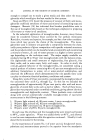
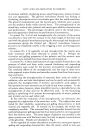
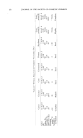
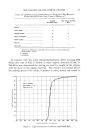
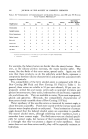
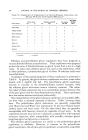
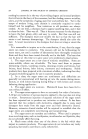
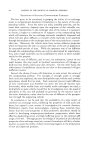
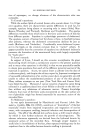
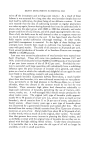
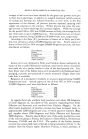
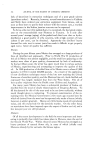
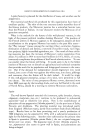
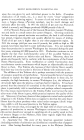
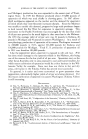
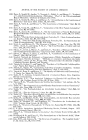
246 JOURNAL OF THE SOCIETY OF COSMETIC CHEMISTS TABLE 7B--CoMPARISON OF COMPATIBILITY OF GLYCOL-SILOXANE COPOLYMERS AND 200 AND 555 FLUIDS WITH VARIOUS MATERIALS* Dow Com•g Ethylene glycol Polyethylene glycol 400 Dow Corning 200 Fluid Me:S•O Content Med. I'll Low Med. Hi SSS Fluid 350 cl Steoryl alcohol C C C C C C i Isopropyl myristate C C i i C C (• ß Glyceryl monastearate C C C C C C i Diglycol stearate C C C C C C • Oleic acid C C C C C C i Stearic acid C C C C C C i 200 Fluid, I00 cs , i • • • C C 55• Fluid f i i i C C i Tested at room temperature as o m•x made up of 1 part sd•cone to lO parts material hsted C----compatible •--mcompahble Ethylene and polyethylene glycol copolymers have been prepared at various dimethylsiloxane concentrations. These copolymers were prepared so that the ratio of dimethylsiloxane to glycol varied from a low to a high value. In some cases ethylene glycol was used as the substituent, while in other polymers, a polyethylene glycol of about 10 ethylene oxide units was substituted. A summary of the typical properties of these copolymers is presented in Table 6. In general, the glycol-siloxane copolymers are clear, water-white liquids with a slightly oily feel. The polyethylene glycol copolymers increase in viscosity as the dimethylsiloxane content increases, while the ethylene glycol derivatives remain relatively constant. The refrac- tive index of these copolymers lies in an intermediate position between that of the pure glycol and the dimethylpolysiloxane fluids. These copolymers have low surface tensions and spread rather easily. The compatibilities of the glycol-siloxane copolymers are markedly differ- ent from what is normally expected of silicones. Table 7 portrays these data. The polyethylene glycol derivatives are generally compatible with 70 per cent and 90 per cent isopropanol 95 per cent ethanol, stearyl alcohol, esters and fatty acids. On the other hand, they are generally incompatible with beeswax, mineral oil, vegetable oil and water. As the copolymers become more silicone in character, compatibility with isopropyl myristate improves, while compatibility with paraffin, ethylene glycol, propylene glycol and glycerine is impaired. The ethylene glycol copolymers are similar to the polyethylene glycol copolymers in solubility. However, in contrast to the polyethylene glycol copolymers, the ethylene glycol copolymers are generally compatible
Purchased for the exclusive use of nofirst nolast (unknown)
From: SCC Media Library & Resource Center (library.scconline.org)