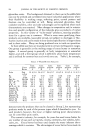
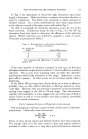
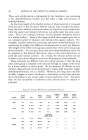
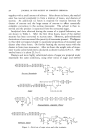
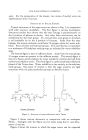
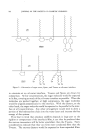
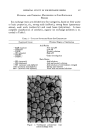
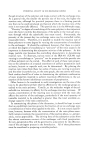
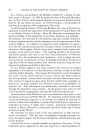
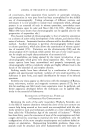
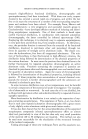
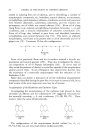
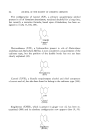
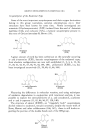
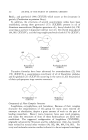
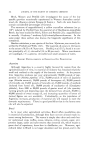
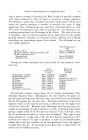
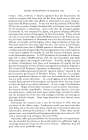
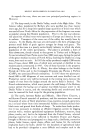
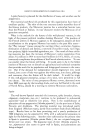
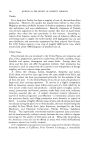
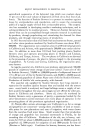
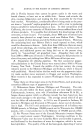
294 JOURNAL OF THE SOCIETY OF COSMETIC CHEMISTS ceeded in isolating from oil of calamus, and in identifying, a number of sesquiterpenic compounds, viz., humulene, natural elemene, ar-curcumene, caryophyllene, natural guaiene, selinene, d-cadinene, acorone and isoacorone (two isomeric diketones), calamen•ne, calacorene, and two tricyclic ses- quiterpenes, one of which was named calarene (154). From oil of ylang ylang gorm, et al., isolated caryophyllene, humulene, farnesene 3,-, & and e-cadinene, and a tricyclic hydrocarbon of unknown constitution (73). From oil of hops they isolated in pure form, and identified, humulene, caryophyllene and natural farnesene (64, 155). The latter, an aliphatic sesquiterpene, was found to be present also in oil of chamomile and oil of ginger root (72). Farnesene (I) has this configuration: Farnesene (i) From oil of patchouly gorm and his co-workers isolated a bicyclic ses- quiterpene and natural guaiene (150). They also investigated the chemi- cal composition of oil of Populus balsamifera (161). In carrot seed oil they noted the presence of daucol, a crystalline epoxide of the sesquiterpene alcohol carotol (144). In oil of bergamot they observed for the first time the occurrence of a monocylic sesquiterpene with the structure of 1-•- bisabolene (146). Space does not permit a discussion of all the individual sesquiterpenic compounds identified during the past five or six years in essential oils, but a brief review of the more important ones may be of interest. Sesquiterpenes of the Bisabolene and Cadinene Types Investigating the sesquiterpenes of the cadinene type present in Java citronella oil, Herout and his collaborators (74? suggested structures for the naturally occurring 3,-, & and e-cadinenes (75) (II, III, IV). These isomers yield the same dihydrochloride. •y-Cadinene &Cadinene •-Cadinene (II) (III) (IV) The configurations of the sesquiterpene alcohol cadinol (•-, •-, 3'-) (V, VI, VII),.too, are now much better understood (144).

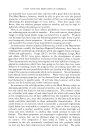
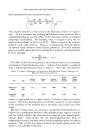
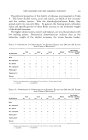
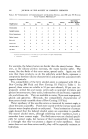
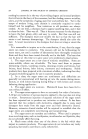
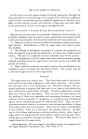
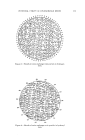
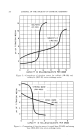
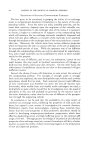
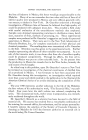
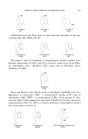
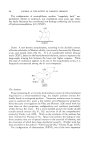
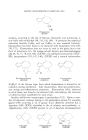
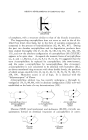
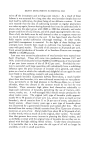
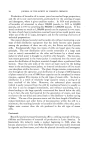
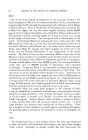
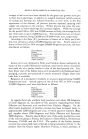
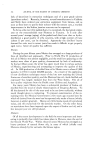
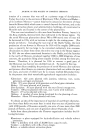
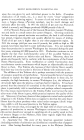
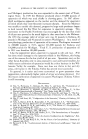
RECENT DEVELOPMENTS IN ESSENTIAL OILS 295 Additional work has been done on the structural formulas of the cur- cumenes (20, 144) (VIII, IX, X). c•-Curcumene /%Curcumene •-Curcumene (VIII) (IX) (X) The same is true of/-bisabolol, a sesquiterpene alcohol isolated from German chamomile oil (162), and of its d-isomer, observed in oil of Popu- /us ba/samifera (161). Bisabolol (XI) occurs also in Brazilian Louro Inhamuy oil (106). /OH Bisabolol (XI) gorm and Herout, who did the work on bisabolol, established the con- figurations of calacorene (XII)--a sesquiterpene C•5H20 (154)--and of calamenene (160) (XIII)--a sesquiterpene C•sH2=--both present in cala- mus oil, while Treibs suggested a structural formula for the diol calameone (calamenediol) (64, 177) (XIV), a bicyclic direfriary sesquiterpene alcohol also occurring in calamus oil. /OH NOH Cal acorene Calamenene Calamenediol (Calameone) (XlI) (XIII) (XIV)
Purchased for the exclusive use of nofirst nolast (unknown)
From: SCC Media Library & Resource Center (library.scconline.org)