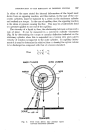
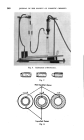
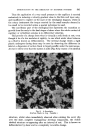
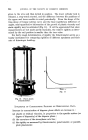
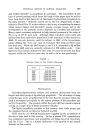
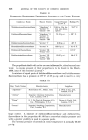
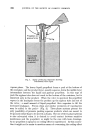
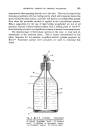
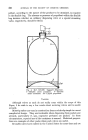
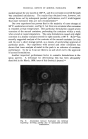
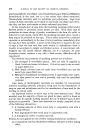
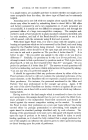
TECHNICAL ASPECTS OF AEROSOL PACKAGING 349 Butane, an inflammable but cheap propellent, is often used in Continental, i.e., European, cosmetic formulations, although I would advise against the use of butane in such packs on account of safety considerations. I have seen some experimental Belgian packs employing the even more inflammable dimethyl ether as propellent. Methylene chloride has been used successfully in hair lacquer formulations by Witjens, 7 replacing part of the normal propellent and part of the alcohol. TYPES OF PACK Aerosol packs can be divided into four main classes: Two-phase systems, Three-phase systems, Foams and Powders. TWO-PHASE SYSTEMS In these systems the liquid propellent is completely miscible with the product and there is only one liquid phase in addition to the propellent vapour, which occupies the headspace in the container. When the valve is operated, the pressure in the headspace forces the propellent product mixture up the syphon tube and out of the valve (Fig. 1). As soon as a drop of this mixture comes into contact with the atmosphere the liquid propellent changes into vapour and scatters the product into innumerable particles. The degree of scattering and the resulting particle size are determined principally by the relative amounts of product and propellent, and this brings us to the division of two-phase systems into the two sub-groups-- space sprays and surface sprays. In space sprays the amount of product in the pack is small compared with the amount of propellent and normally does not amount to more than 20 per cent by weight. Space sprays are true aerosols with particle sizes in the region of 50 microns, and examples of such packs are air fresheners, perfumes, bactericides, deodorants and insecticides. In surface sprays the amount of product approximately equals the amount of propellent. All the same, the amount of product may be as low as 30 per cent or as high as 75 per cent. The size oi the sprayed particles is in the region of 100-200 microns. Examples of cosmetic surface sprays are colognes, hair lacquers, sun screening oils, insect repellents and brilliantine. Valve design also plays a big part in determining the characteristics of space and surface sprays. The use of two-phase systems is not restricted to metal containers, but applies also to glass aerosols. When using the latter, however, the internal pressure is normally reduced to the so-called "ultra-low" figure of approxi- mately 15 p.s.i.g. THREE-PHASE SYSTEMS In three-phase systems the liquid propellent is immiscible with the product and there are two distinct liquid phases in addition to the propellent

350 JOURNAL OF THE SOCIETY OF COSMETIC CHEMISTS Fig. 1. Spray producing dispenser showing Continental valve open. vapour phase. The heavy liquid propellent forms a pool at the bottom of the container, and the product layer, usually aqueous, forms the middle layer intermediate between the liquid and gaseous propellent. In this type of pack the syphon tube does not reach to the bottom of the container, but is immersed only in the product. When the valve is operated, the propellent vapour in the headspace forces the product up the syphon tube and out of the valve a small amount of liquid propellent then vaporises to fill the increased headspace. Porous chips and similar promoters of vaporisation may be added to the pack. 8 (Fig. 2.) Three-phase systems present the only possibility of pressure packing aqueous products which are meant to be sprayed rather than to be ejected as foams. The use of three-phase systems is also advocated when it is desired to avoid contact between sensitive membranes and the propellent, as might be the case with burn dressings. As no propellent is sprayed, no cooling effect is experienced. In this connec- tion it might not be amiss to mention means of overcoming the cooling effect
Purchased for the exclusive use of nofirst nolast (unknown)
From: SCC Media Library & Resource Center (library.scconline.org)