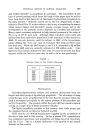
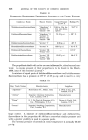
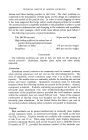
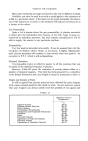
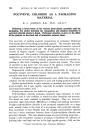
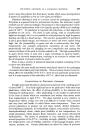
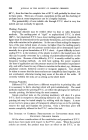
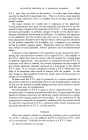
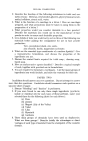
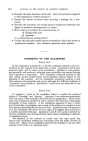
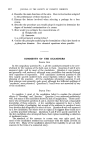
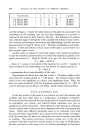
A METHOD FOR THE ANALYSIS OF LIPSTICK 397 EXPERIMENTAL In order to establish the solubility of the various lipstick raw materials either alone or in combination, a series of determinations were made of these solubilities. The same procedure was used as that described in the method. Castor oil was found to be completely soluble in cold 95 per cent alcohol. Carnauba wax and ozokerite were found to be, for all practical purposes, completely insoluble in this solvent. Mixing these waxes with castor oil did not increase their solubility in alcohol. Lanolin was found to be 52 per cent soluble and 48 per cent insoluble in cold 95 per cent alcohol. The insoluble fraction from lanolin was found to be completely soluble in cold petroleum ether. Candelilla wax was found to be 20 per cent soluble and 80 per cent in- soluble in cold 95 per cent alcohol. The insoluble fraction from this wax was found to be almost completely soluble in cold petroleum ether. TABLE I COLD 95 PER CENT ETHYL ALCOHOL Soluble Insoluble Lanolin 48% Lanolin 52% Candelilla wax 20% Candelilla wax 80% Castor oil Carnauba wax Cetyl alcohol Hydrocarbons Methyl ricinoleate Propyleneglycol-monoricinoleate Aluminum oxide chromatography shows no hydrocarbons in lanolin and nearly all of the material adsorbed on the column, 96 per cent or more, may be eluted with hot alcohol. Chromatography of the alcohol insoluble fraction of candelilla wax shows 45 per cent of the original wax to be hydrocarbons, and of the 35 per cent adsorbed on the column, only a part is removed by elution with hot alcohol, leaving a considerable amount still on the column. Analysis of a lipstick of known composition shows the following: TABLE II Total base Pigments and bromos Castor oil fraction Hard wax fraction Hydrocarbons Glycerin Castor oil calc. from glycerin Total alcohols Free propylene glycol _Found Theory 86-40 87.64 87-00 12.50 12.36 13'00 68-53 68-20 67'00 18.27 20.00 18'00 10-00 10.00 10.00 5-50 6.00 55.00 60.00 7-55 7.25 8.00 2.35 2.42 2.50

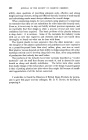
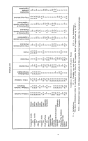
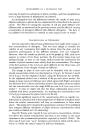
398 JOURNAL OF THE SOCIETY OF COSMETIC CHEMISTS I)ISCUSSION The data submitted here show that this method fails to achieve analytical precision of the type w• would like. However, few analytical procedures which may be applied to cosmetic preparations do achieve such precision. The method described here should enable the skilled analyst to learn a great deal about the composition of any lipstick, usually enough to recon- struct the original product with a considerable degree of assurance. The total pigments and bromos obtained from the heptane extraction usually is low because of a small amount of bromos dissolved in the base which carry on into the flitrate in spite of the fact that heptane alone is a very poor solvent for those bromos. The total amount of hard waxes can usually be determined with a fair degree of accuracy although their separation into individual components is not entirely satisfactory. The hydrocarbons present may be quite easily separated and determined, but unfortunately it is impossible to distinguish between these substances added as such and those added as component parts of one or more of the other raw materials, particularly candelilla wax. Separation of the bromos from the pigments and bromos is only approxi- mate, but the separation of the individual bromos by paper chromatography is precise enough on a qualitative basis. Also, the determination of pigments and lakes is less than perfect for the reason that some of the laked colours tend to strip off and dissolve in ammonia as do the bromos. The determination of the free glycols can be done quite accurately, propylene glycol being the only one likely to be found. The amount of glycol present bears little relationship to the amount originally added by the manufacturer, since unpredictable amounts are lost by volatilisafion during the manufacturing procedure. The carnauba wax as determined will contain such small amounts of candelilla wax as are insoluble in cold petroleum ether and will, therefore, probably be slightly high. The "castor oil" fraction will contain the castor oil and any other alcohol soluble esters which might be present. Any free alcohols present will also appear in the alcohol soluble fraction. In castor oil lipsticks the alcohol soluble fraction will be largely saponifiable. Lanolin will .appear in two places as part of the unsaponifiable fraction from the alcohol soluble portion of the lipstick and also as part of the alcohol insoluble portion. CONCLUSION The method offered here, while lacking somewhat in analytical precision, should enable the competent analyst to arrive at a result not too far from the correct one. It is hoped that use of this method by other analysts will
Purchased for the exclusive use of nofirst nolast (unknown)
From: SCC Media Library & Resource Center (library.scconline.org)