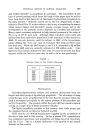
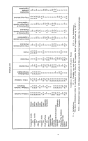
A METHOD FOR THE ANALYSIS OF LIPSTICK 395 Dissolve the residue on the filter into the original tared beaker with boiling chloroform, evaporate to constant weight on the steam bath, weigh and record as the hard wax fraction. The castor oil fraction will contain all of the castor oil, about one-half of the lanolin, about 20 per cent of the candelilla wax, as well as any other alcohol soluble alcohols or esters which may be present. ANALYSIS OF THE CASTOR OIL FRACTION Saponify the castor oil fraction by boiling under a reflux condenser for three hours. Use 50 mi. of 0.50 normal KOH and do not add any additional alcohol more than sufficient to transfer the sample from the original beaker to the saponification flask. When the saponification is finished, transfer the solution to a 250 ml. separatory funnel, rinse the flask with a small amount of alcohol and then with sufficient water to bring the mixture in the funnel to slightly more than 50 per cent water. Add 5.0 ml. concentrated HC1, and extract three times with 25 mi. portions of chloroform. Use each portion of chloroform to clean out the saponification flask by boiling the solvent gently in the flask before adding it to the separ. atory funnel. Combine the chloroform extracts in another funnel, wash with 20 ml. water and add the washings to the original funnel. The aqueous portion will contain all of the glycerin or glycols which were present as esters in the original lipstick. If any methyl esters were present methyl alcohol will also be present. The unsaponifiable matter will contain all of the alcohols released by saponification or present originally, and will include about 25 per cent of the lanolin present in the original lipstick, as lanolin alcohols. Evaporate the chloroform on the steam bath. Transfer the residue to a separatory funnel with alcohol using about 50 mi. Make alkaline with KOH, add about 60 mi. of water, and extract with petroleum ether. Wash the petroleum ether extracts with water, filter through a dry filter paper, evapor- ate to constant weight and report as unsaponifiable matter. Make the remaining solution in the separatory funnel acid with HC1 and again extract with three portions of chloroform using 25 ml. for each extrac- tion. Combine these extracts, evaporate the solvent, weigh and record as fatty acids. The fatty acid fraction should contain nothing but fatty acids which may have come from castor oil, lanolin or any other esters present in the original lipstick. Make the aqueous extract containing the glycerin and glycols freed by saponification up to volume in a volumetric flask. Use an aliquot to deter- mine the glycerin and propylene glycol, again using the method of Shupe.•

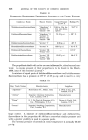
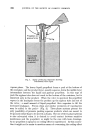
396 JOURNAL OF THE SOCIETY OF COSMETIC CHEMISTS The reagents must be checked very carefully against known mixtures of these two substances. Calculate the amount of castor oil present by multiplying the amount of glycerin found by 10. The presence of propylene glycol would indicate that there was some fatty acid ester of this substance present in the original lipstick however, since it will probably be impossible to prove conclusively which fatty acid is involved, the propylene glycol found here is usually reported as the ricinoleic acid ester purely as a matter of convenience. Saturate an aliquot of the aqueous extract with sodium chloride, distil the alcohols, and test for methyl alcohol using the method described in the United States Pharmacopoeia, 15th edition, page 27. The amount of fatty acid available precludes determining many of the classic constants for this class of substances. If the fatty acid is liquid it may reasonably be assumed that it is ricinoleic acid. This may be confirmed by the refractive index. Na•ø1.4720. The unsaponifiable fraction will include the alcohols arising from the saponification of the alcohol soluble fraction of the lanolin as well as any other free alcohols present. If there are any other higher alcohol esters present the alcohols from thes• will occur here. THE HARD WAX FRACTION This part will contain all of the hydrocarbons, all of the carnauba wax, about 80 per cent of the candelilla wax, all of the cold alcohol insoluble part of the lanolin and a. ny other cold alcohol insoluble material which may have been present. Dissolve this mixture of waxes in boiling petroleum ether. Allow to cool, filter, and chromatograph this solution on aluminum oxide using the method of Newburger. 4 Wash the column with petroleum ether until no more material is obtained. Evaporate the solvent, dry to constant weight and weigh. This weight will represent the total hydrocarbons. Elute the column with boiling 95 per cent alcohol until no more material can be extracted. Evaporate the solvent and weigh. This material will represent all of the alcohol insoluble portion of the lanolin and almost all of the non-hydrocarbon portion of the candelilla wax. Dissolve the cold petroleum ether insoluble waxes on the filter with boiling chloroform, transfer to a tared beaker, evaporate the solvent and weigh. Report this weight as carnauba wax. Confirm the presence or absence of lanolin by applying the Lieberman- Borchard test to the alcohol elutriate from the aluminum oxide chromato- gram and to the unsaponifiable matter from the cold alcohol soluble or "castor oil" fraction.
Purchased for the exclusive use of nofirst nolast (unknown)
From: SCC Media Library & Resource Center (library.scconline.org)