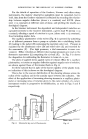
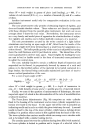
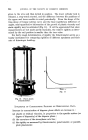
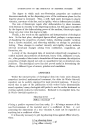
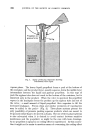
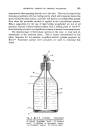
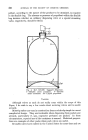
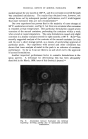
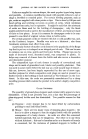
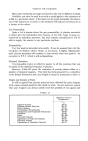
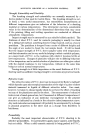
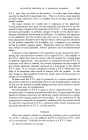
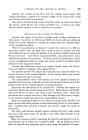
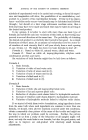
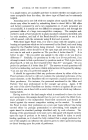
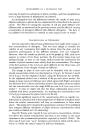
TECHNICAL ASPECTS OF AEROSOL PACKAGING 355 is used for expensive handbag perfumes and the aluminium is gold lacquered externally. There is no doubt that such protective outers enhance the external appearance and sales appeal of the pack. 2. Plastic Coatings. Glass aerosols coated with plastic material are other examples of "safe" glass dispensers. It is, however, necessary to ensure that the plastic coating is of an adequate thickness, that it does not embrittle on ageing and that the valve is securely anchored to the plastic coating. When these conditions are fulfilled and a bottle is accidentally dropped, the plastic outer will retain all glass splinters. Plastic coatings do not impair the appearance of glass aerosols. On the contrary, the various pastel-coloured plastic envelopes decoratively printed in multi-colours are considered an added attraction. •4 3. Composite outers are normally used for domestic products, such as glass cleaners, and are no less effective than the materials mentioned above. PLASTIC AEROSOLS Plastic aerosol containers have already made their appearance in the United States."." Diffusion of part or all of the product through the container is one of the problems encountered, and it is hoped to report on progress with British plastic aerosol containers on another occasion. TAGGART'S AEROSOL CONTAINER A patent for an aerosol container which might be described as a combina- tion of a metal container and a plastic container utilising a three-phase system has recently been granted." The metal can, as illustrated in Fig. 4, is fitted with the usual aerosol valve to which a flexible inner container is attached. The propellent-resistant flexible inner contains the product, and a small amount of propellent is filled into the space between the metallic outer and the flexible inner containers. When the valve is actuated the propellent vapour exerts pressure on the flexible inner and the product will be expelled from the latter. One of the advantages of this method is that only a small amount of propellent is necessary. Another, that the product and propellent are not in contact with each other, in fact, they might not even be compatible. Corrosion of the metallic container is avoided. Hair cream, cold waving solution and conventional tooth paste are examples of packs which could probably not be packed satisfactorily in any other way. So, of course, are food products, to which reference has already been made elsewhere. •8 If it is desired to atomise the product rather than to make it flow, a small quantity of a suitable propellent would be mixed with the product in the flexible bag. Since the sole purpose of the propellent within the flexible container is to facilitate atomisation and is not to provide the propellent force for effecting dispensing, only a very small quantity of pro-

•$6 JOURNAL OF THE SOCIETY OF COSMETIC CHEMISTS pellent, according to the nature of the product to be atomised, is required in the flexible bag. The absence or presence of propellent within the flexible bag dictates whether an ordinary dispensing valve or a special atomising Valve, respectively, should be fitted. Fig. 4. B.P. 740,635. Taggart's Dispenser. 1--Metallic outer container. 5--Flexible inner container. 24--Liquid propellent. VALVES Although valves as such do not really come within the scope of this Paper, I do wish to say a few words about metering valves and re-usable aerosols. Metering valves can vary in construction from a relatively simple to a most complicated design. They are invaluable when dispensing from pocket-size aerosols, particularly if, sa•, expensive perfumes are packed. In these circumstances, repeated use of the containers is assured. Medicinal prepara- tions are examples of other packs where such valves are useful. Re-usable valves have existed in the United States for some time and are
Purchased for the exclusive use of nofirst nolast (unknown)
From: SCC Media Library & Resource Center (library.scconline.org)