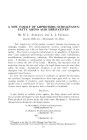
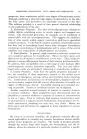
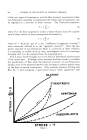
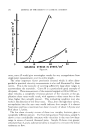
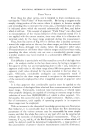
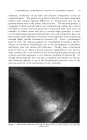
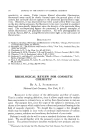
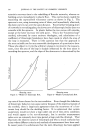
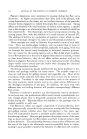
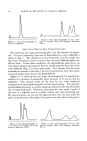
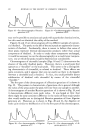
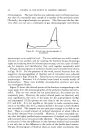
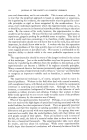
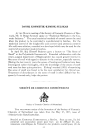
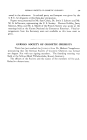
FUNDAMENTAL, COMPARATIVE ACTIONS OF CLEANSING CREAMS 303 I tribution, mechanism of excretion and chemical composition of the ex- creted products. The glands are present in the skin over most of the body • surface with marked regional differences in concentration and are ap- parently absent only in the palms, soles and foot. The excreted product is composed of lipids and cell debris and compositional studies have shown the lipids to contain both saturated and unsaturated fatty acids with odd • numbers of carbon atoms and also to contain large quantities of waxes (3-5) lipids possessing such characteristics and such composition have not been found to exist elsewhere in the body indicating sebum to be synthesized through highly specific biochemical processes (6). From a pathological point of view, the sebaceous glands are immediately involved in the for- mation of coinedones (blackheads) and in the development of seborrheic dermatitis, ache and various skin blemishes. Finally, from a functional point of view (1, 2), sebum is known to possess fungicidal (7) and bacteri- cidal activities (8), to be involved in the normal keratinization process and to be an essential component in the radiation synthesis of vitamin D. Al- though these properties have not been completely elucidated, it is obvious that sebaceous glands, as one of the fundamental structural units of the skin, are essential to the maintenance of skin normality. Figure 1.--The human female nose showing the. fluorescence of sebum lying in and upon the surface ducts..

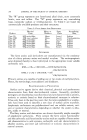
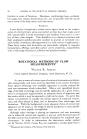
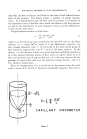
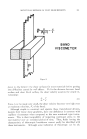
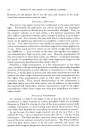
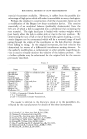
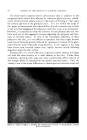
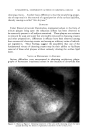
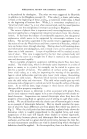
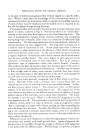
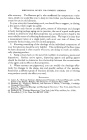
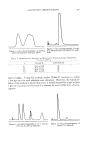
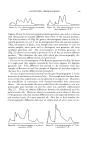
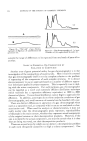
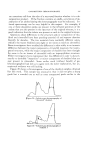
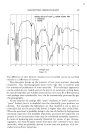
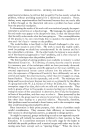
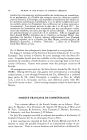
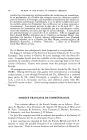
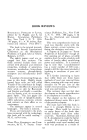
304 JOURNAL OF THE SOCIETY OF COSMETIC CHEMISTS The observations reported herein demonstrate that in addition to the: recognized lipid surface film affected by sebaceous gland activity, solidifi- ß cation of the excreted seburn occurs to the extent of forming a "cap" upon , the surface aperture of the glandular duct. It is not within the scope of: this paper to demonstrate the undesirability of such a situation nor to infer ß in any way that plugging of the sebaceous canal may occur as a consequence. However, it is pointed out that the existence of such plaques does not con- ß form with any of the suggested concepts regarding the purposes and func- ß tions of excreted sebum. In view of the remarkable adherence of these plaques to the skin, it is not difficult to speculate that they might become local sites of bacterial growth followed by subsequent invasion of the glan- dular element itself (especially anaerobically) in this regard, it has long been known that excreted sebum mav rapidly become rancid following deposition upon the skin surface. Cosmetically, it is conceivable that inspissated sebum adheres to foreign soil with the same tenacity as it itself adheres to the skin. Under these conditions, cleansing with soap and water could hardly effect removal of this foreign debris as indicated by the studies reported herein. This, ob- viously is one of the major differences in cleansing action between soaps and ..l Figure 2.--Same as Figure 1 showing .the architectural extrusion of the glandular contents prior to treatment.
Purchased for the exclusive use of nofirst nolast (unknown)
From: SCC Media Library & Resource Center (library.scconline.org)