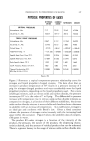
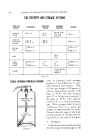
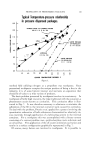
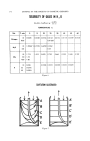
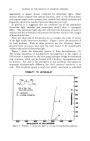
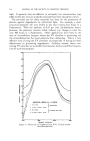
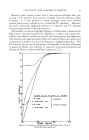
344 JOURNAL OF THE SOCIETY OF COSMETIC CHEMISTS (6) Ma, C. K., and Cowdry, E. V., 5 e. Gerontol., 5, 203 (1950). (7) White, C. J., 5 e. Cut. Dis., 28, 163 (1910). (8) Vohwinkel, K. H., DermatoL Z., 62, 95 (1931). (9) Letterette, Howard, Asst., Prof. Radiology, University of Michigan, in an address to Detroit Dermatological Society, Nov. 13, 1957. (10) Pinkus, Hermann, in Rothman, S., "Physiology and Biochemistry of Skin," Chicago, The University of Chicago Press (1954), p. 584 if. (11) Kirk, E., 5 e. GerontoL, 3, 251 (1948). (12) Mitchell, S. W., din. 5:. Med. Sci., 61, 420 (1871). (13) Rothman, Stephen, "Physiology and Biochemistry of Skin," Chicago, The University of Chicago Press (1954). (14) Hardt, L. L., and Palmer, A. E., din. 5:. Digest. Diseases Nutrition (1938). (15) Luxton, R. W., British Med. 5:., 547, Sept. 7 (1957). NITROGEN AND OTHER INERT GASES AS PROPELLENTS IN PRESSURIZED PACKAGING By SAMUEL PRUSSlN and H. R. SHEPHERD* Presented June 4, 1958, New York City FOOD, COSMETIC and pharmaceutical products of relatively high viscosity--such as syrups and sauces, creams and lotions, toothpaste, salves and inhalants--have traditionally been packaged in glass jars, long necked bottles, tin cans and tubes. These methods have been subject to the familiar hazards of spillage and breakage, crusting and dehydration, uneven flow and wastefulness. In a personal sense we are all acquainted w•th the stickiness, spooning, squeezing and thumping that are part and parcel of conventional packaging. It has now become possible for the first time to place these materials of relatively high viscosity in a pressurized dispenser without changing their original physical appearance. Through the development of compressible gases as an effective propellent in a suitable container system, the product need not be aerated or fluffed or combined with the gas. In U.S. Patent No. 2,723,200, issued to Pyenson in 1955, the process is described as com- prising the partial filling of a product into a gas pressure container having a valve, evacuating the air in the untilled portion, replacing it with nitrogen under pressure and closing the valve. Although an idea for expelling liquids with a compressed gas dates back to 1862, it has required current valve engineering techniques for its ultimate realization. Until very recently the inert gases nitrous oxide, carbon dioxide, argon and nitrogen, singly and in combination, have been used as propellents most prominently in the food industry. These gases have for many years * Aerosol Techniques, Inc., Bridgeport 5, Conn.

344 JOURNAL OF THE SOCIETY OF COSMETIC CHEMISTS (6) Ma, C. K., and Cowdry, E. V., 5 e. Gerontol., 5, 203 (1950). (7) White, C. J., 5 e. Cut. Dis., 28, 163 (1910). (8) Vohwinkel, K. H., DermatoL Z., 62, 95 (1931). (9) Letterette, Howard, Asst., Prof. Radiology, University of Michigan, in an address to Detroit Dermatological Society, Nov. 13, 1957. (10) Pinkus, Hermann, in Rothman, S., "Physiology and Biochemistry of Skin," Chicago, The University of Chicago Press (1954), p. 584 if. (11) Kirk, E., 5 e. GerontoL, 3, 251 (1948). (12) Mitchell, S. W., din. 5:. Med. Sci., 61, 420 (1871). (13) Rothman, Stephen, "Physiology and Biochemistry of Skin," Chicago, The University of Chicago Press (1954). (14) Hardt, L. L., and Palmer, A. E., din. 5:. Digest. Diseases Nutrition (1938). (15) Luxton, R. W., British Med. 5:., 547, Sept. 7 (1957). NITROGEN AND OTHER INERT GASES AS PROPELLENTS IN PRESSURIZED PACKAGING By SAMUEL PRUSSlN and H. R. SHEPHERD* Presented June 4, 1958, New York City FOOD, COSMETIC and pharmaceutical products of relatively high viscosity--such as syrups and sauces, creams and lotions, toothpaste, salves and inhalants--have traditionally been packaged in glass jars, long necked bottles, tin cans and tubes. These methods have been subject to the familiar hazards of spillage and breakage, crusting and dehydration, uneven flow and wastefulness. In a personal sense we are all acquainted w•th the stickiness, spooning, squeezing and thumping that are part and parcel of conventional packaging. It has now become possible for the first time to place these materials of relatively high viscosity in a pressurized dispenser without changing their original physical appearance. Through the development of compressible gases as an effective propellent in a suitable container system, the product need not be aerated or fluffed or combined with the gas. In U.S. Patent No. 2,723,200, issued to Pyenson in 1955, the process is described as com- prising the partial filling of a product into a gas pressure container having a valve, evacuating the air in the untilled portion, replacing it with nitrogen under pressure and closing the valve. Although an idea for expelling liquids with a compressed gas dates back to 1862, it has required current valve engineering techniques for its ultimate realization. Until very recently the inert gases nitrous oxide, carbon dioxide, argon and nitrogen, singly and in combination, have been used as propellents most prominently in the food industry. These gases have for many years * Aerosol Techniques, Inc., Bridgeport 5, Conn.
Purchased for the exclusive use of nofirst nolast (unknown)
From: SCC Media Library & Resource Center (library.scconline.org)