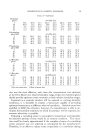
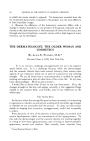
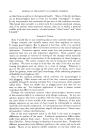
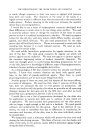
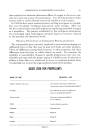
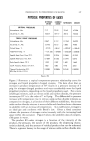
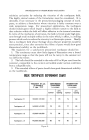
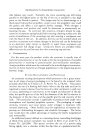
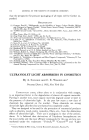
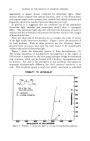
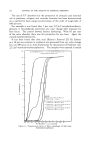
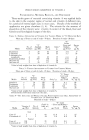
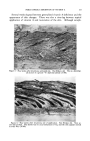
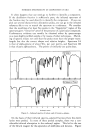
PROPELLENTS IN PRESSURIZED PACKAGING 345 been employed to minimize deleterious effects of oxygen in the air on vita- min, fat, taste and aroma of food products. For all these products either nitrous oxide or carbon dioxide has proved suitable in every respect. In 1958 the first major nonfood product utilizing inert gases as a propel- lent was introduced--toothpaste pressurized under nitrogen. Here was the first commercially successful application employing nonsoluble nitrogen as a propellent. The pattern established by the toothpaste development has encouraged rapid technological advances based on intensive research at the practical and theoretical levels. PHYSICAL PROPERTIES OF COMPRESSED PROPELLENT GASES The compressible gases currently employed in pressurized packaging are sufficiently inert so that they may be used with foods and other products. There are differences among them, however, in other properties and these differences form the basis on which choices are made. For example, the solubility or nonsolubility of gases in specific preparations may vary con- siderably and a gas with the proper degree of solubility must be selected to achieve a foam when it is traditional to do so, or a nonfoam product when it is desirable not to alter the original physical state of the product. GASES USED FOR PROPFLLNTS NAME OF GAS PRINCIPAL USE Carbon dioxide ("Dry-Ice") ........... Inert blanket beverage carbonation refrigeration pressure packaging propellent Nitrogen ........................................... Inert blanket purging for edible oils pressure packaging propellent Nitrous oxide ................................. Pressure packaging propellent quick freezing Argon ............................................................... Special solubility propellent Hydrogen ....................................................................... Hydrogenatian Helium ............................................................................ Research Neon ............................................................................ Research Kryptan ............................................................. Research Figure 1.

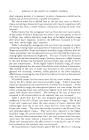
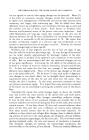
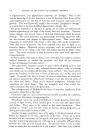
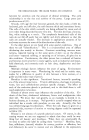
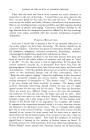
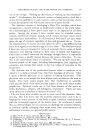
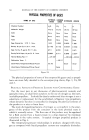
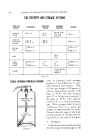
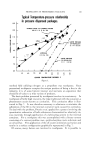
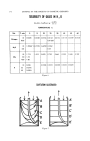
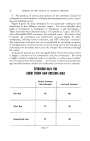
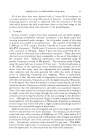
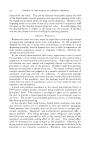
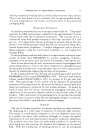
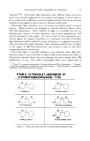
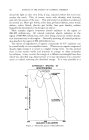
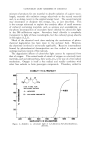
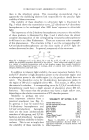
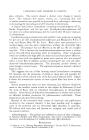
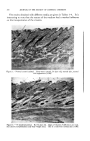
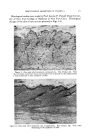
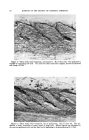
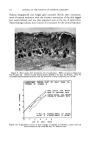
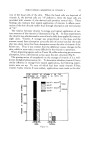
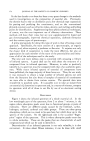
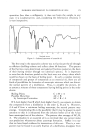
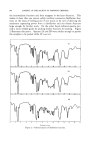
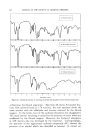
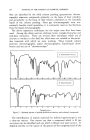
346 JOURNAL OF THE SOCIETY OF COSMETIC CHEMISTS PHYSICAL PROPERTIES OF GASES NAME OF GAS Chemical Symbol Molecular Weight Color Odor Taste Spec. Gravity (Air 1) 2'0 F. 1 Arm. Density. Lb. per Cu. Ft. 2'0 F. 1 Arm. Spec. Vol. Cu. Ft. per Lb. 2'0 F. 1 Arm. Density Sat'd Vapor, Lb. per Cu. Ft. 1 Arm. Nortool Boiling Point F. Sublimation Temp. F. Latent Heat of Evaporotion BTU per Pound Latent Heat of Sublimation BTU per Pound NITROUS CARBON OXIDE OXIDE NITROGEN ARGON Figure 2A. The physical properties of some of the compressible gases used as propel- lents are more fully detailed in the accompanying charts, Figs. 1, 2A, 2B and 3. PRACTICAL ASPECTS IN PRESSURE LOADING WITH COMPRESSIBLE GASES For the most part in our discussion of pharmaceutical, cosmetic and specialty items, we shall limit ourselves to the use of nitrogen as the inert, insoluble propellent. It should be clearly understood that nitrogen is not a substitute or replacement for the established, refrigerant type propellents whose dynamic function is unexcelled in changing the physical contents of the product to a mist or foam form. The main distinguishing feature of nitrogen as a propellent is the emer- gence of the product from the container in the same physical state in which it normally exists. The flow rate of the product may be regulated for a fluid system from a liquid stream to a drop dispenser by minimum variations in the valve system. A typical nitrogen propelled product is illustrated in Fig. 4. The temperature-pressure relationships in products charged with nitro- gen as compared with liquid propellent systems are completely dissimilar.
Purchased for the exclusive use of nofirst nolast (unknown)
From: SCC Media Library & Resource Center (library.scconline.org)