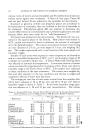
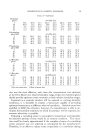
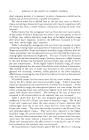
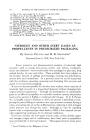
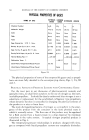
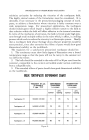
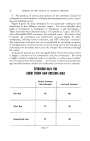
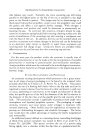
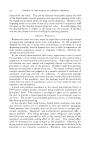
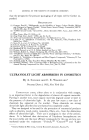
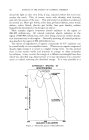
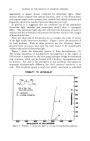
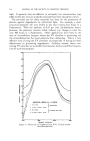
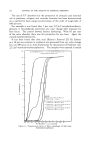
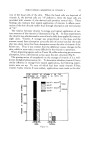
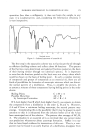
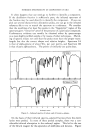
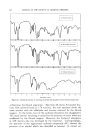
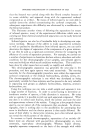
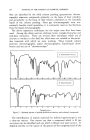
364 JOURNAL OF THE SOCIETY OF COSMETIC CHEMISTS high. In general, they are effective in extremely low concentration (e.g. 0.025 to 0.25 per cent) as would be surmised from their absorption curves. The principal use for these materials has been for the protection of plastics against degradation by ultraviolet light. For example, a clear structural polyester will turn yellow in less than twenty-four hours in a FadeDmeter. With the addition of 0.25 per cent 2,4-dihydroxy benzo- phenone, the polyester remains stable without any change in color for over 500 hours in a FadeDmeter. Other applications have been in the area of nitrocellulose lacquers where the UV absorber is protecting not the nitrocellulose but the wood substrate from darkening. This is a very effective way of using the UV absorbers and especially of testing for their effectiveness in preventing degradation. Cellulose acetate sheets con- taining UV absorber are available from General Aniline and Film Corpora- tion for such test purposes. •oo i • 50 a: 40 4O0 NAPHTHOL GREEN B 0.005% I NO UVINUL I UNEXPOSED 2. 0 05 % UVINUL D-S0 3. NO UVINUL i EXPOSED (80 hours) 4. 0.05% UVINUL D-S0 õoo Wavelenqfh (mill•microns) lo Figure 6.--Protection of Naphthol Green B by 2,2',4,4'-tetrahy- droxybenzophenone.

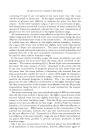
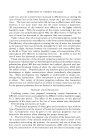
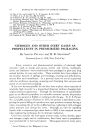
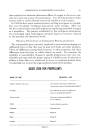
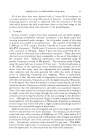
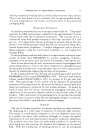
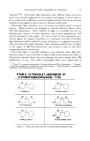
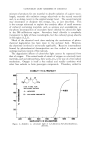
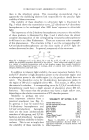
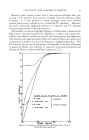
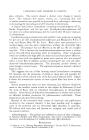
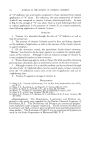
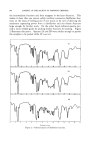
ULTRAVIOLET LIGHT ABSORBERS IN COSMETICS 365 Recently, glass bottles coated with a clear polyvinylchloride film con- taining a UV absorber have become available from the Wheaton Glass Company. It is also possible to obtain packages made from cellulose acetate, polystyrene, cellophane, etc., containing UV absorbers. However, the more universally applicable method is to dissolve the UV absorber in the material which it is desired to protect. The feasibility of preventing light fading of certified colors is illustrated in Figs. 6 and 7 showing the protection afforded to a yellow and a green dye- stuff by the addition of 0.05 per cent 2,2',4,4'-tetrahydroxy benzophenone. The solutions were approximately 50 per cent alcohol, 50 per cent water, and no attempt was made to use an actual shampoo or cologne preparation. The UV absorbers do not universally protect all dyestuffs as has been illustrated in papers by Hardy and Coleman of American Cyanamid and Gantz and Sumner of General Aniline and Film Corporation (7, 8). Ioo 8o 7o $ULPHON YELLOW R s EXTRA CF 0.005% NO UVINUL / UNEXPOSED 2.
I. 0.05• UVINUL D-S0 3. NO UVINUL I E'XPOSoeD (8C) hours) 4. 0.05% UVINUL D'50 400 500 •00 •'00 Figure 7.--Protection of Sulphon Yellow RS Extra CF by 2,2',4,4'- tetrahydroxybenzophenones.
Purchased for the exclusive use of nofirst nolast (unknown)
From: SCC Media Library & Resource Center (library.scconline.org)