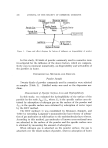
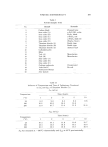
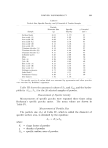
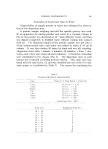
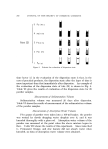
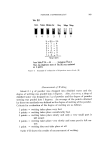
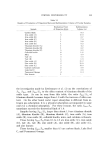
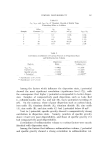
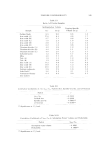
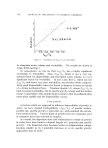
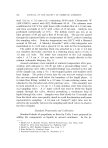
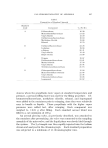
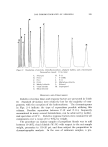
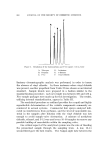
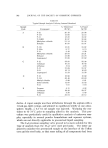
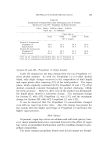
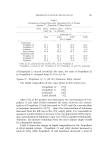
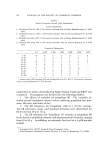
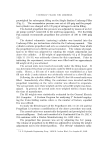
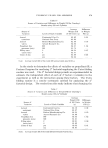
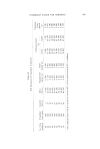
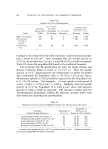
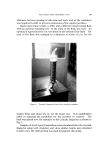
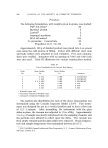
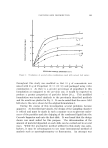
GAS CHROMATOGRAPHY OF AEROSOLS 359 Figure 2. Resolution of alcohols, chlorofluorocarbons, aliphatic halides, and a brominated fluorocarbon (speed: 1.0 in./min) A. Nitrogen H. P-11 B. P-115 I. P-114B2 C. P-12 J. P-21 D. P-114 K. Methylene chloride E. Methyl chloride L. Ethanol F. Vinyl chloride M. Isopropanol G. Ethyl chloride RESULTS AND DISCUSSION Relative retention times and response factors are presented in Table II. Standard deviations were relatively low for the majority of com- ponents, with the exception of the hydrocarbons. The chromatograms in Figs. 2-4 indicate the type of separations possible utilizing this column. Baseline separation between P-12 and P-114, frequently encountered in many aerosol formulations, can be achieved by isother- mal operation at 60øC. Relative response factors were constant for all components over a range of 0.5--95% by weight. The procedure on routine samples of propellant blends was to add between 10-20% vinyl chloride (W/W) with respect to the net sample weight, pressurize to 110-20 psi, and then subject the preparation to chromatographic analysis. In the case of unknown samples, a pre-

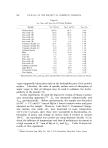
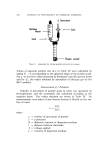
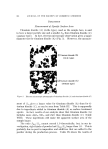
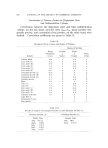
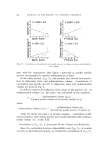
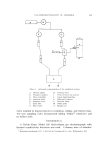
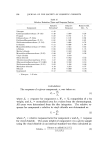
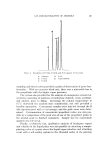
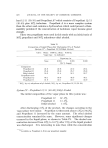
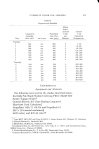
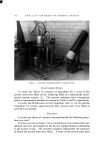
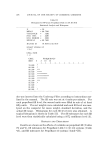
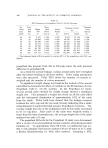
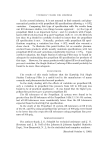
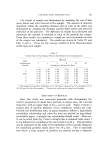
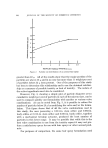
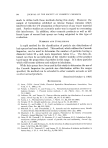
360 JOURNAL OF THE SOCIETY OF COSMETIC CHEMISTS Figure 3. Resolution of the hydrocarbons and P-12 (speed: 0.5 in./min) A. Nitrogen D. Isobutane B. Propane E. n-Butane C. P-12 F. Vinylchloride liminary chromatographic analysis was performed, in order to insure the absence of vinyl chloride. In those instances where vinyl chloride was present, another propellant from Table II was chosen as an internal standard. Sample blends were prepared in a fashion similar to the standardization procedure each net weight was between 500 and 550 g. Five sample packages were made up for this investigation. The results, utilizing internal standardization, appear in Table III. The analytical procedure as outlined provides for a rapid and highly reproducible determination of the volatile components commonly en- countered in aerosol systems. Commercial hair sprays analyzed indi- cated no interferences from perfumes, and the level of nonvolatile ma- terial in the samples after dilution with the vinyl chloride was low enough to avoid sample-valve obstruction. A mixture of methylene chloride, ethanol, and P-12 was used every 50-60 samples to remove any possible buildup of nonvolatiles within the sampling valve. One critical aspect of the analytical system was the rate of bleeding the pressurized sample through the sampling train. A low, 10-15 second bleed gave the best results. The Nalgon sight tube between the
Purchased for the exclusive use of nofirst nolast (unknown)
From: SCC Media Library & Resource Center (library.scconline.org)