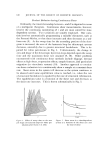
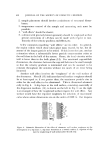
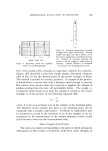
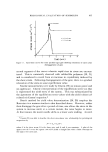
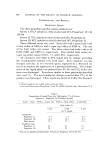
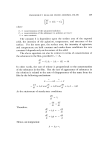
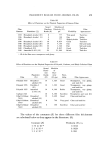
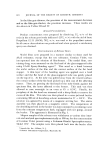
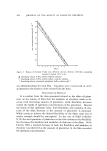
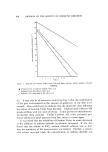
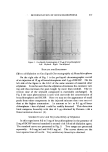
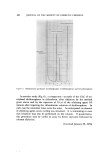
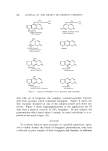
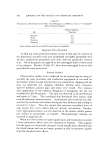
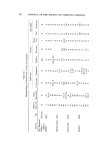
676 JOURNAL OF THE SOCIETY OF COSMETIC CHEMISTS x 49 ß Z 0 47 ß Z k) 46 Z 0 1 2 3 4 :5 6 7 8 9 10 TIME, hr Figure 2. Releasc of Gentian Violet into different solvents (Emerez 1533 film containing hexadccyl alcohol, 10% w/w). ß Desorbing solvent, 0.4,5% sodium chloride solution [] Desorbing solvent, 0.45% sodium sulfate (anhyd.) solution * Desorbing solvent, potassium phosphate buffer solution pH 7 two determinations for each film. Log plots were constructed in order to determine the kinetics of the release from the films. DISCUSSION OF RESULTS It is evident from the data presented related to the effect of plasti- cizer on the nature of films that the modulus of elasticity tends to de- crease with increasing amount of plasticizer, while flexibility increases within the limits of optimum concentration of the plasticizer. Beyond the limits ot5 this optimum value, both flexibility and modulus of elas- ticity o15 the films decrease as the amount o15 plasticizer is increased. While trying to achieve the desired flexibility o15 the films, some loss of tensile strength should be anticipated. In the case of Ethyl Cellulose N-10, the incorporation o15 plasticizer in the film enhances the flexibility but decreases the hardness and modulus o15 elasticity o15 the films. With Emerez 1540, a marked decrease in both the flexibility and modulus o15 elasticity was observed as the amount o15 plasticizer in the film exceeded the optimum concentration.

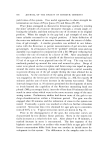
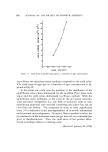
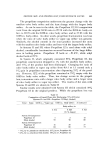
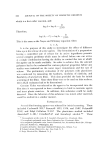
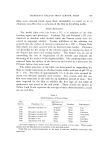
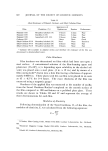
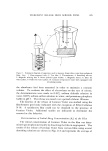
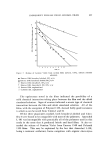
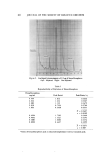
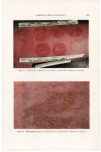
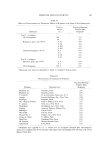
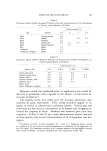
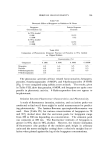
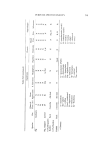
INGREDIENT RELEASE FROM AEROSOL FILMS 677 c 50 0 1 2 3 4 5 6 7 8 9 10 TIME, hr trigure ]. Release of Gentian Violet from various films (solvent, 0.45% sodium chloride solution) . ß Emerez 1540, hexadecyl alcohol, 10% w/w I Emerez 1540, hexadecyl alcohol, 30% w/w [] Emerez 1540, Citroflex-4, 10% w/w ß Emcrez 1540, Amcrchol-L 101, 10% w/w ¸ Emerez 1536, unplasticized • Carboset 525, unplasticized The opalescence noted in the films indicated the possibility of a mild chemical interaction taking place between the film and the alkali simulated solution. Signs of erosion indicated a severe type of chemical interaction between the film and alkali simulated solution. All of the fihns, with the exception of Polymid 1155, showed fairly good resistance to alkali as can be noted from Tables I and II. Of the three plasticizers studied, both hexadecyl alcohol and Citro- fiex-4 were found to be compatible with most of the polymers. Amerchol L-101 was incompatible with practically all ot• the polymers used in this study in the sense that it produced brittle and hard films. It also re- tarded the release of Gentian Violet from Emerez 1540 and Polymid 1155 films. This may be explained by the fact that Amerchol L-101, being a nonionic surfactant, forms complexes with organic electrolytes
Purchased for the exclusive use of nofirst nolast (unknown)
From: SCC Media Library & Resource Center (library.scconline.org)