652 JOURNAL OF THE SOCIETY OF COSMETIC CHEMISTS o• o o o o ¾

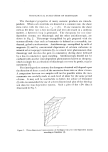
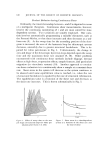
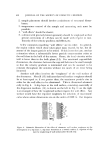
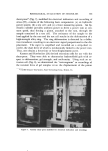
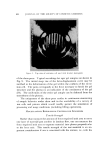
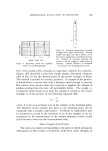
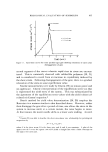
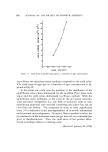
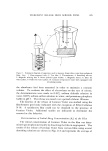
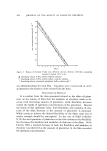
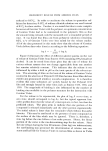
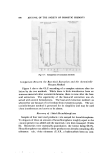
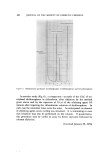
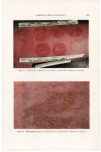
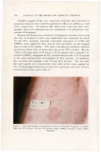
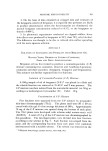
RHEOLOGICAL EVALUATION OF SEMISOLIDS 653 shear-press* (Fig. 7), modified for electrical indication and recording of stress (23), consists of the following basic components: (a) an hydraulic power system (b) a test cell and (c) a force measuring system. An hy- draulic cylinder provides uniform power to. drive a power ram at con- stant speed, thus forcing a piston, attached to the ram, through the sample contained in a test cell. The resistance of the sample to the load applied by the ram and the test cell results in the deformation of a high-strength alloy ring. The ring deformation is detected by a deflec- tion transducer, resulting in an electronic signal proportional to the dis- placement. The sig•3al is amplified and recorded on a strip-chart re- corder, the chart drive of which is mechanically linked to the power ram. Thus, one obtains a force-time or force-displacement curve. Kramer and Hawbecker (24) devised extrusion cells for use with the shear-press. They were able to characterize hydrocolloid gels with re- spect to deformation, gel strength, and uniformity. Using such an ex- trusion cell (Fig. 8), we determined the "texturegrams" or recordings of the resistant force of gel samples versus the displacement of the piston * T-2100 Texture Test System, Food Technology Corp., Reston, Va. Figure 7. Kramer shear-press modified for electrical indication and recording
Purchased for the exclusive use of nofirst nolast (unknown)
From: SCC Media Library & Resource Center (library.scconline.org)