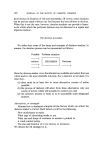
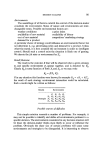
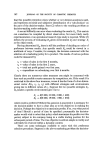
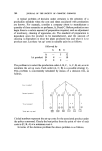
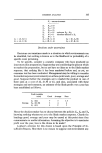
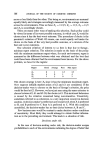
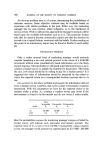
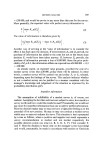
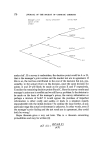
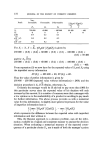
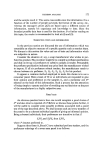
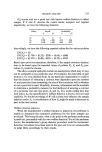
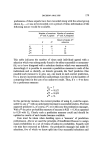
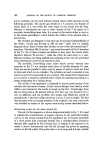
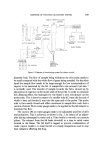
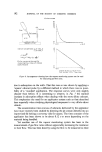
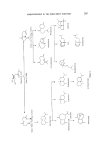
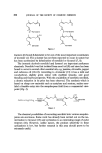
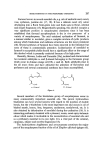
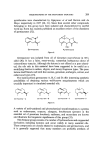
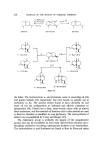
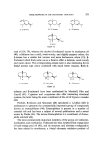
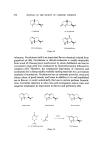
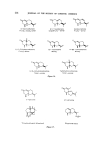
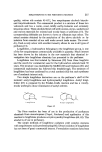
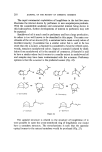
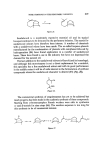
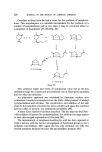
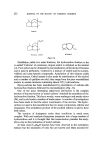
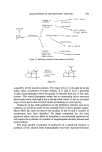
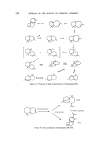
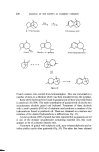
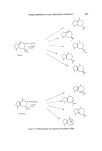
SESQUITERPENES IN THE PERFUMERY INDUSTRY 209 pyrethrosine were characterized by Ognyanov et al and Barton and de Mayo respectively in 1957 (30, 31). Since then several other compounds belonging to this group have been isolated and characterized by careful work-up. Sorm has recently published an excellent review of the chemistry of germacranes (32). OAc Ger toocrone Pyrethrosine Figure 8. Germacrone was isolated from oil of Geranium macrorhizum in 50•o yield (30). It has a faint, sweet-woody, somewhat herbaceous odour of extraordinary tenacity. Although the ketone is not offered as a pure chemi- cal, the oils rich in this material have been suggested to be useful as a modifying fixative in ambre, chypre, and mossy fragrance types. The pure ketone itself blends well with the ionones, geranium, ambergris, vetiver, and cedarwood types (13). The hydrocarbons germacrene A, B, C and D offer interesting synthetic possibilities of obtaining various well-known sesquiterpenes which are crucially important in simulated essential oils. Ge r macrene -A Germacrene -B Germacrene-- C Germacrene-- D Figure 9. A variety of acid-catalysed and photochemical transformations to systems such as eudesmanes, copaene, ylangane, bourbonane (present in the essential oil of geranium bourbon), cadinane, and muurolane are known and illustrate the biogenetic significance of this group (33). The elemane group consists of a number of hydrocarbons and oxygenated derivatives including lactones and occur widely in many essential oils. These compounds are closely related to eudesmanes and germacranes, and it is generally supposed that many members are probably artefacts of

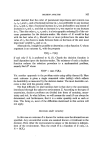
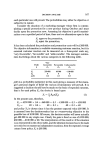
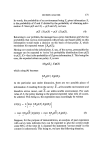
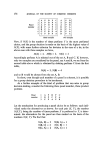
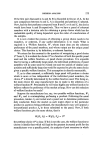
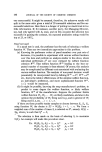
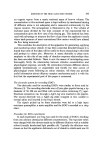
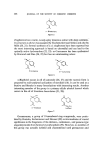
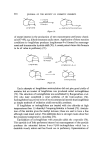
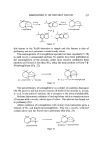
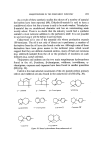
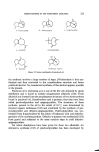
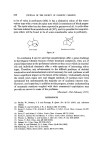
210 JOURNAL OF THE SOCIETY OF COSMETIC CHEMISTS (I) Reduction ./•',••(•2 )Pyrolysis Elemene Germecrone H 2 (H) © Selinane 7' -- Cadinene B -Cad/nene Germberene--D J Jhv o - Amorphene • - Bourbonene Figure 10. • -- Muurolene ¾- Muurolene the latter. The hydrocarbons a- and [3-elemene occur in sweet-flag oil (34) and gurjun balsam (35) respectively, but have found no specific use in perfumery so far. The alcohol elemol found in Java citronella oil and elemi oil has the configuration as indicated and affords a-elemene on dehydration (36). Elemol has a faint, sweet-woody odour with an almost floral undertone, and the essential oil fractions rich in this alcohol are used as fixatives, blenders or modifiers in soap perfumery. The total synthesis of elemol was accomplished by Corey and Broger (37). The eudesmane group is probably the largest of the sesquiterpene groups and can be considered to have been derived from farnesyl pyro- phosphate cyclization involving a germacrane skeleton as an intermediate. The hydrocarbons a- and [i-selinene are found in Bols de Rose and celery
Purchased for the exclusive use of nofirst nolast (unknown)
From: SCC Media Library & Resource Center (library.scconline.org)