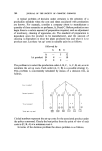
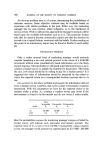
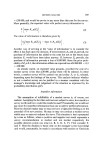
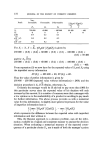
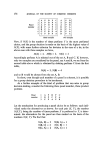
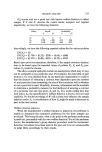
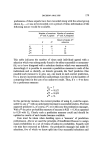
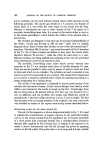
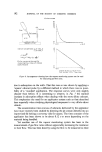
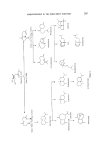
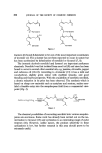
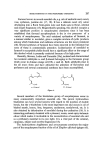
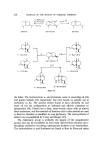
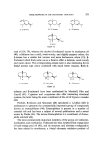
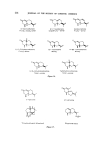
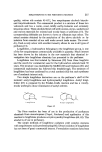
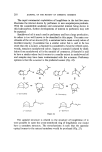
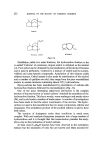
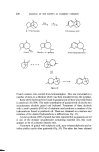
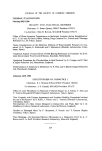
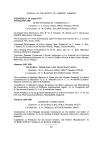
SESQUITERPENES IN THE PERFUMERY INDUSTRY 221 As a result of these synthetic studies the odours of a number of santalol derivatives have been reported (89). Dihydro-l%santalol is said to have a sandalwood odour but the e-isomer is said to be much weaker. Tetrahydro- [%santalol has no sandalwood character and has an uninteresting weak woody odour. There is no doubt that the industry would find a synthetic santalol a most welcome addition to the perfumers shelf. It is not possible to say how long it will be before it arrives there. Cedarwood oil is one of the essential oils whose production exceeds 100 tons/year. The oil is not only of direct use in perfumery a number of derivatives from the oil have also found a wide use. Although some of these derivatives have been given names in the technical press which would suggest that they are definite chemical entities, many of them are mixtures (e.g. cedrenol) isolated from the oil or the products of reactions on such mixtures (e.g. acetyl cedrene). Thujopsene and cedrene are the two main sesquiterpene hydrocarbons found in the oil [•-cedrene, [•-chamigrene, widdrene, isowiddrene, a- chamigrene, cuprenes and cuparene have been found in smaller quantities (92) (Fig. 29). Cedrol is the main alcohol constituent of the oil psuedo cedrol, primary cedrol and widderol are also found in the cedarwood oil (92) (Fig. 30). a- Cedrene B-• Cedrene •-Ckamigrene Wh:tdrene isoWiddrene a - Chamigrene Cuprene ]Z Cuprene Cupa rene Thuj o pse ne Figure 29. Some hydrocarbons from cedarwood oil.

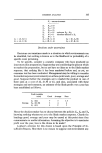
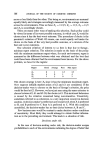
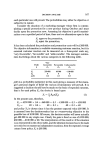
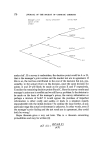
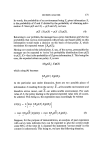
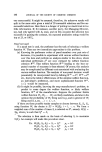
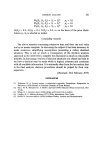
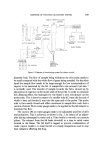
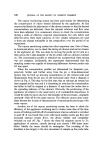
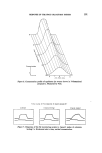
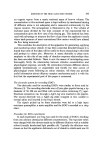
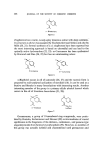
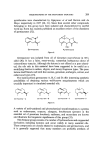
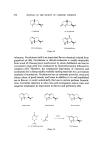
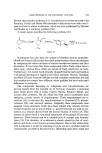
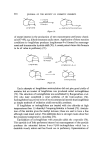
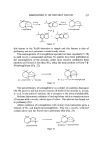
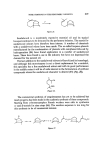
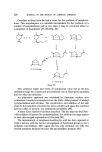
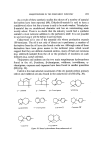
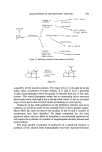
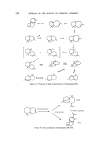
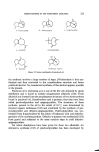
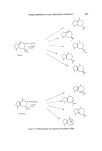
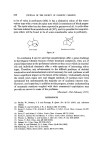
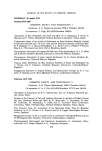
222 JOURNAL OF THE SOCIETY OF COSMETIC CHEMISTS Cedrol CH20H Primary cedrol Figure 30. •OH Widderol Distillation yields two main fractions, the hydrocarbon fraction is the so-called 'Cedrene' of commerce, impure cedrol is obtained as the alcohol cut. Pure cedrol can be obtained by recrystallization of the alcohol fractions and is used in perfumery. Cedrenol is a mixture of cedrol and its isomers, widdrol and some ketonic compounds. Acetylation of this mixture yields cedrenyl acetate. Cedryl acetate is also made by esterification of the alcohol and a number of qualities are sold they range from the pure recrystallized acetate to acetate mixtures containing almost 50•o hydrocarbons. Epoxy-cedrene has been manufactured by epoxidation of cedrene-rich hydrocarbon fractions followed by recrystallization (Fig. 31). One of the most interesting cedarwood derivatives is the complex mixture of ketones known as 'acetyl cedrene' obtained by acetylation of the hydrocarbon fraction. This has a woody, warm-ambergris and musky odour (94), and is sold under a number of trade names. A number of investigations have been made to find the odour constituents of the mixture. The hydro- carbon cut used in the manufacture has two main components, cedrene and thujopsene. The acetylation product of the purified cedrene is said to have little odour. The reaction of thujopsene under these conditions is much more complex. With acid catalysts thujopsene isomerizes into a large number of hydrocarbons and it is thought that this isomerization precedes the acety- lation step in the production of acetyl cedrene. At least seven Cx7H•60 ketones have been observed in the acetylation mixture but the structures of only two are known and these account for
Purchased for the exclusive use of nofirst nolast (unknown)
From: SCC Media Library & Resource Center (library.scconline.org)