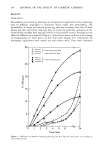
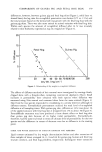
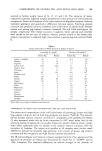
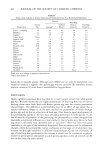
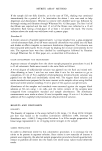
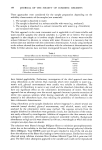
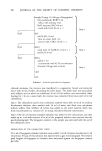
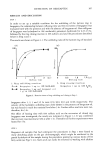
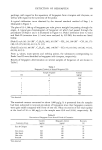
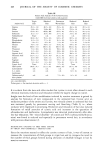
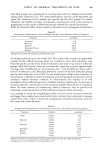
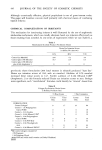
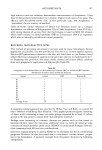
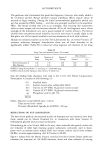
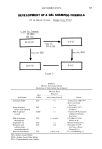
ANTI-IRRITANTS 419 The perfumer who formulated this particular fragrance, however, also wisely added a bit of benzyl alcohol. Benzyl alcohol's topical anesthesia effects require about 30 seconds to begin working. During the initial (nonanesthesia) application period you get that wonderful ZING feeling ... and then are promptly soothed by the anesthetic effect. The benzyl alcohol also acts as an antiseptic, thus ensuring that inadvertent nicks or razor scrapes will not become infected. All in all, this fragrance was a clever example of the formulator's art, and a good example of counter-irritancy. The benzyl alcohol does not prevent actual irritation, but since razor burn is usually slight in the first place, use of this topical anesthetic removes awareness of such mild irritation. Human eye irritation studies run by Bio-Test Laboratories Inc. on several Varonic LI © nonionic surfactant shampoo formulations show one of these formulas to be significantly milder (Table IV) in initial eye sting response and duration of eye sting Table IV Sting, Tear, and Irritation Scores--(25 humans) Mean Irritation Initial Duration of Degree of Sting Sting (sec) Tearing (Immed. 1 hr) _ Sherex Formulation A 0.36 1.76 0.00 0.00 0.00 Baby Shampoo 1.32 8.24 0.00 0.08 0.00 NOTES: 1) Sting Scoring Scale: 0 = zero sting 5 = intolerable sting. NOTES: 2) Each of these shampoos were tested at 7% solids level. than the leading baby shampoo now sold in the U.S.A. The Sherex Corporation's Formulation A consists of the following: (7) 67.1 Distilled water 12.3 Sodium Lauryl ether sulfate (60% SLES) 10.3 Varonic LI 63 © (PEG 30 glyceryl monococoate) 10.3 Varonic LI 67 © (PEG 78 glyceryl monococoate) qs Phosphoric acid (to pH 7.0) 100.0ø/3 Notes: Glyceryl cocoate/SLES ratio--2.8/1.0 Total actives level--28.0% Viscosity (Brookfield, Spindle//3-30 RPM)--790 cps REDUCTION OF EYE IRRITATION The best recent publicly documented studies of shampoo eye anti-irritancy have been those carried out by Sherex Chemical Co. in connection with these Varonic LI (ethoxylated glyceryl monococoate) surfactants. Nonirritating per se (at 5% and 100% in the eye), these materials also greatly reduce the eye irritation of other high foaming anionic surfactants commonly used in sham- poos--such as sodium lauryl sulfate (SLS) and various sodium lauryl ether sulfates (SLES)--at ratios approximating 1.8/1.0 (Varonic to SLES). Figure 1 (taken from the Sherex Varonic technical brochure) shows Draize rabbit eye irritation (no rinse-out) of 15% SLES solutions, alone and after addition of varying

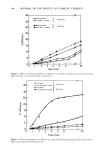
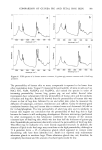
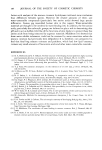
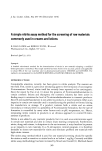
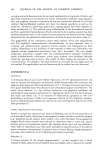
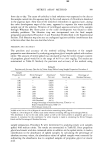
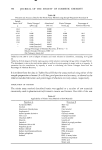
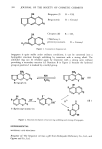
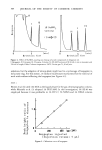
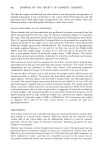
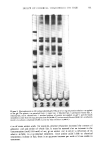
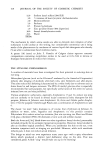
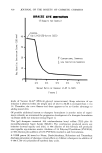
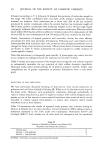
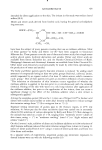
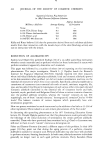
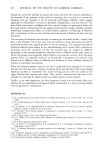
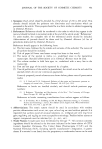
420 JOURNAL OF THE SOCIETY OF COSMETIC CHEMISTS o o i. iJ x 40- 30- 20 10 DRAIZE EYE IRRITATION RABBITS PER SAMPLE) CONTROL '{o LI-63/15%-AcTIVE SLES) CONVENTIONAL SHAMPOOS Low IRRITATION SHAMPOOS i I ' i i i i 1/1 2/1 3/1 4/1 5/1 WEIGHT RATIO OF VARONIC LI-63 TO SLES FIGURE 1 levels of Varonic LI-63 © (PEG-30 glyceryl monococoate). Sharp reduction of eye irritation is observed when the weight ratio of LI-63 to SLES is increased from 1:1 to 2:1. Thereafter, the curve flattens and there appears to be no further advantage to adding more LI-63. Of possible additional interest to shampoo formulators is another series of experi- ments whereby we monitored the progressive development of a shampoo formulation via Draize rabbit eye irritation testing (Figure 2). This (gel) shampoo contained 20% triethanolamine lauryl sulfate (TLS) plus 5% monoethanolamine Super Amide (MEAC). The combination produced severe eye irritation (corneal opacity and iritis). A 50% dilution of this formula still produced unacceptable eye-irritation results. Addition of 1% Polyvinyl Pyrrolidone (PVP-K30), or 50% dilution l•lus addition of 0.5% PVP-K30, resulted in safe formulations. A USSR patent (8) issued to Nosar, Drashchinaskaya, Kolomiets and Tsesarskaya discloses prevention of shampoo irritant effects in children's shampoos via addition of 4-10% C (10-13) cyclamides of synthetic fatty acids.
Purchased for the exclusive use of nofirst nolast (unknown)
From: SCC Media Library & Resource Center (library.scconline.org)