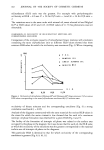
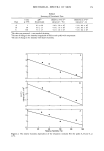
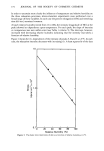
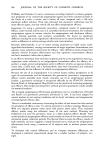
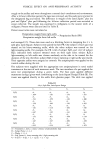
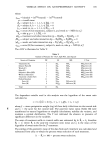
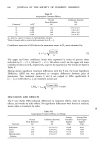
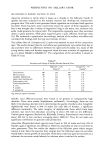
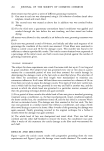
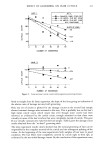
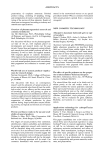
188 JOURNAL OF THE SOCIETY OF COSMETIC CHEMISTS (( (eOkp ,) kp 1.0 L O. 14 # L L/H O.S 0.6 0.7 0.! 0.9 1.0 B • 4 I Figure 1. The pretest sweat ratios of light-sweating side to heavy-sweating side (L/H) of Subject Pairs (B) versus Subjects by Sides (23.•,(BDkp) ) illustrates the Subjects by Sides interaction occurs in Subject Pair 3. H = Heavy-sweating side treated. L = Light-sweating side treated. A significant difference in treatments was caused by the stick antiperspirant. The LSD test verified this and also showed there were no significant differences among treatments 2, 3, and 4. Percent sweat reduction results (Table VI and VII) in decreasing order of antiperspirant effectiveness response are treatments 3 (lotion, 38.0%), 4 (hydroalcoholic solution, 32.4%), 2 (cream, 31.8%), and 1 (stick, -6.2%). The results of the treatments containing Chlorhydrol ©, 50% w/w solution, are within the FDA-OTC Antiperspirant Panel's effectiveness percentage range for these vehicles. Except for the stick formulation, they also exceed the panel's guideline that a product must reduce perspiration by 20% to qualify as an antiperspirant (20). The Latin Square design was statistically satisfactory in evaluating antiperspirant efficacy because it provided statistically useful results with a small number of subjects, permitted the testing of each subject with each treatment over a relatively short period of time, and eliminated subject pair or weeks effects in comparison of treatments. Since the results indicated that side treated may be selected randomly without regard to heavy or light-sweating sides, a regular Latin Square instead of a split plot could be used in future testing.

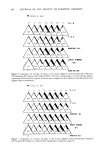
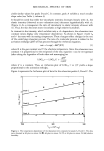
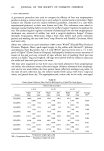
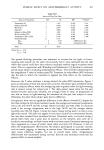
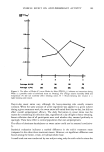
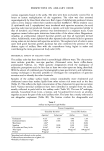
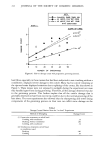
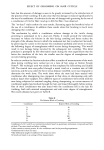
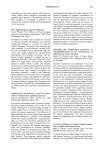
VEHICLE EFFECT ON ANTI-PERSPIRANT ACTIVITY 189 • (C Dml •) 1.0aB 0.01 L L I 2 3 4 Avereee RH (S) 40 30 SO 70 Avereee T (eF) SO, &Os &Os 71)i Figure 2. The effect of Weeks (C) versus Weeks by Sides (•]?_•(CDrnp)) indicates an interaction during Week 3, a possible result of emotional stress on sweating. The average relative humidity (RH) and temperature (T) did not markedly affect sweating ratios. H = Heavy-sweating side treated. L = Light-sweating side treated. Day-to-day sweat ratios vary, although the heavy-sweating side usually remains constant. When the same amount of active ingredient was applied to a given subject during a given treatment week, the sweat ratios still varied from day-to-day, but did not affect overall antiperspirant efficacy. The daily fluctuation in sweat ratios was the reason for considering all collection data, regardless of a day of light or heavy sweating. Sweat collection data of all participants were used whether they sweated profusely or sparingly. These data reflect a normal population that uses antiperspirants. The effect of dominant-handedness on sweat ratios could not be assessed conclusive- ly. Statistical evaluation indicates a marked difference in the stick's treatment mean compared to the other three treatment means. However, no significant difference was found among the lotion, cream, or hydroalcoholic base. A small-scale test was conducted by one subject using only the stick vehicle minus the
Purchased for the exclusive use of nofirst nolast (unknown)
From: SCC Media Library & Resource Center (library.scconline.org)