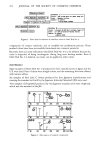
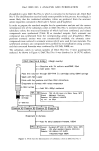
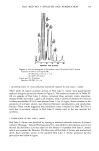
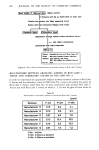
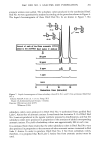
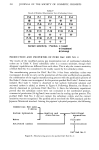
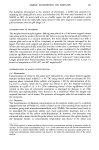
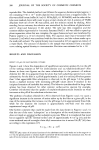
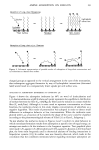
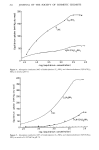
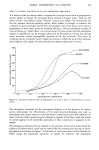
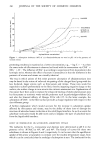
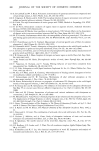
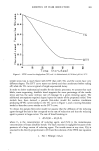
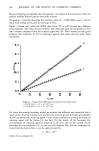
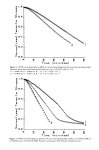
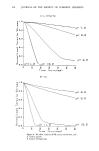
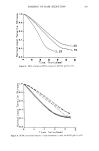
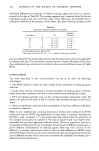
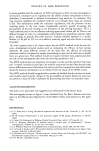
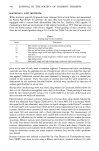
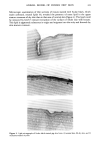
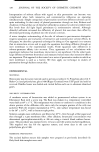
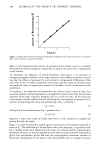
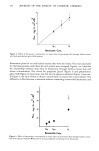
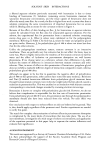
320 JOURNAL OF THE SOCIETY OF COSMETIC CHEMISTS , ' . Figure 1. Photographs of pig skin: A) normal skin (grade 0.5) and B) dry skin (grade 3.5). . 4 0 i i i i 2 4 6 8 Days at Low Relative Humidity Figure 2. Change in skin grade after placement of a pig with normal skin in a low-relative-humidity environment.

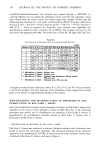
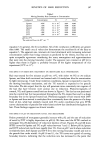
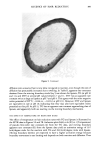
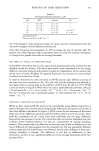
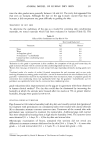
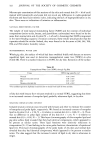
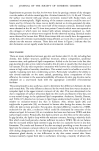
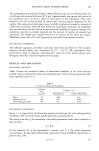
ANIMAL MODEL OF HUMAN DRY SKIN 321 time the skin grades were generally between 3.0 and 4.0. The scaly skin appeared like that seen on humans. Although the hair on the pig is much coarser than that on humans, it did not present any great difficulty in grading the skin. TREATMENT OF DRY SKIN To determine the usefulness of the pig as a model for screening skin conditioning materials, we tested materials which had been evaluated in humans (Table II). The Table II Effect of Skin Conditioners on Dry Skin In Vivo Skin Grade Reduction • Treatment Pig b Human c None 0.0 0.0 Water 0.0 0.0 5% Propylene glycol 0.0 0.0 5% Guanidine ß hydrochloride 0.3 0.3 Commercial skin conditioning lotion 1.0 1.0 Petrolatum 1.7 2.0 •Reduction in skin grade is improvement in skin condition for comparison of the pig and human data, the grade reduction obtained with the commercial skin conditioning lotion has been set at 1.0. bResults from two pigs, all treatments on each animal, both pigs responding identically starting grades were 3.0. CCombined results of a number of studies (20 paired comparisons for each treatment pair), no one study involving all treatments starting grades varied from 1.5 to 4.0. In those studies (at the 95% confidence level), the guanidine ß hydrochloride treatment was significantly better than no treatment, water, or propylene glycol the commercial skin conditioning lotion was significantly better than the guanidine ß hydrochloride and the petrolatum was significantly better than the commercial skin conditioning lotion. grade reductions (skin improvements) on the pig are in agreement with those observed in human clinical studies.* The dry skin could also be eliminated by increasing the humidity at which the animals were housed after two weeks at 75% or greater relative humidity, the pigs were graded at 0.0 to 0.5. STRATUM CORNEUM TURNOVER Pigs (housed at 10% relative humidity) with dry skin and visually normal skin (produced by treatment with petrolatum) on contralateral sides were treated with dansyl chloride (8) to determine stratum corneum turnover time. Treatment of the normal skin with petrolatum was continued to maintain the normal skin. Additional pigs with normal skin were obtained by housing them at high relative humidity (75%). The turnover times were identical (21 + 2 days, N = 4) for dry skin and normal skin. Microscopic examination of frozen, unstained thin sections did not reveal any differences in stratum corneum thickness for dry skin (20.4 + 3.9/am, N = 8, mean skin grade = 3.2) and normal skin (20.1 + 4.5 •m, N = 8, mean skin grade = 0.6). *Human data provided by Daniel P. Hannon of The Procter & Gamble Company.
Purchased for the exclusive use of nofirst nolast (unknown)
From: SCC Media Library & Resource Center (library.scconline.org)