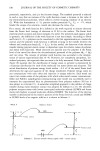
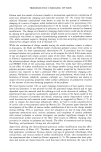
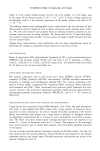
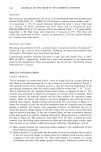
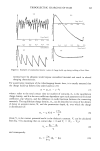
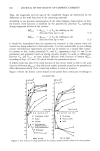
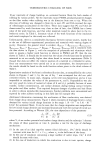
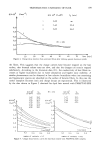
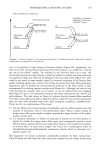
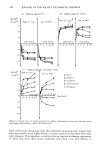
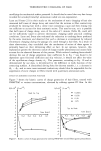
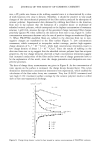
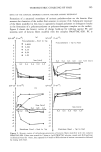
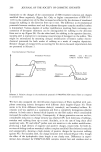
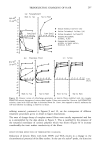
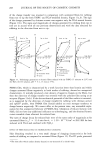
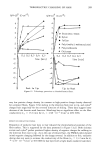
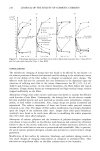
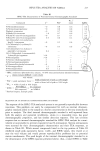
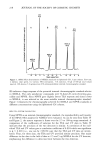
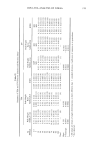
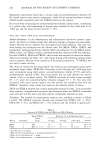
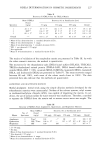
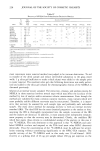
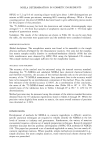
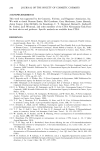
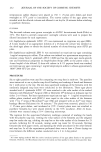
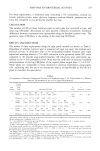
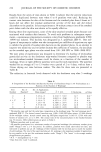
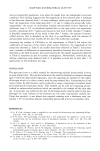
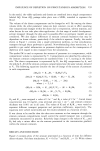
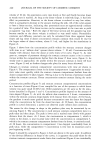
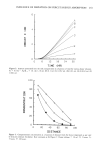
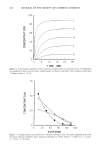
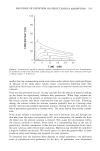
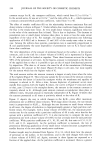
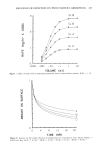
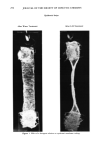
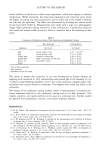
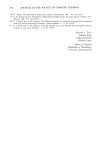
TRIBOELECTRIC CHARGING OF HAIR 201 Electrochemical Potential Untreated Keratin PC Root to Tip PC Tip to Root Stainless Stainless Steel Skeel Teflon Hexadecyl ¾rimethyl Ammonium Chloride Treated Fibers Teflon to Tip •T•p to Roo Scheme 2. Relative changes in electrochemical potential of hexadecyltrimethyl ammonium chloride treated fibers as compared to untreated hair. root to tip produces a high density of positive charges (Figure 6b). Apparently, the reduction of the electrochemical potential of the fiber surface is not sufficient to match the one of the teflon © surface. For rubbing in the direction from tip to root, the electrochemical potential gap between contacting surfaces is smaller and some reduction of transferred charge was observed for hexadecyl and decyl derivatives (Figure 6b). This could be the result of mass transfer caused by increased roughness of the keratin fiber surface (rubbing against the cuticles). The ability of various long chain alkyl quaternary ammonium salts to modify the electrochemical potential of the fiber surface is best demonstrated by rubbing against stainless steel (Figure 6c). Although the value of the work function for stainless steel is not known, it can be inferred from the charging data (Figure 3) that it lies somewhere between the values characteristic for teflon © and polycarbonate. The data shown in Figure 6c indicate that the keratin fibers modified with short chain alkyl quats (decyl, dodecyl) exhibit weaker electron acceptor properties than the ones with adsorbed long chain alkyl analogues (octadecyl, stearalkonium). There may be two explanations of this result: (1) Van der Waals interactions between the adsorbate and the surface increase with the number of methylene units in the hydrocarbon chain. Hence, surface density of longer chain alkyl quats might be higher, producing a larger number of the surface acceptor states and (2) if a complete monolayer or bilayer of surfactant is formed on the fiber surface, it should be thicker for longer chain alkyl quats and consequently provide a more efficient barrier against the electron transfer from keratin to the stainless steel probe. A similar effect of quat chain length was found for a homologous series of alkyldimethylpropylmethacrylamide ammonium halides which is discussed in a separate paper (33). The deposition of cationic surfactants considerably increases the fiber conductivity. Table II shows the half times and first-order rate constants for the charge decays from

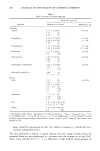
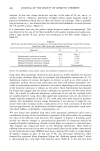
202 JOURNAL OF THE SOCIETY OF COSMETIC CHEMISTS q/A-10 9 (C.em -2) -2 -4 -6 (a) Rubbing against PC (b) Rubbing against Teflon Root to Tip Time [rain] Tip to Root Time [mini .2.4. .81.0 Root toT• Time [min] ß . .6 .81.0 Tip to Root Time [min] q/A.iO ½ (C.em -2) 6 (e) Rubbing against Stainless Steel Root to Tip Tip to Root • Decyl ß Dodecyl Q Hexadecyl 0 Steralkonium 00ctadecyl Time [m• .2 .4 .6 .81.0 0 Time [min] .2 .4 .6 .81.0 -2 -4 -6 Figure 6. Kinetic curves of charge generation by rubbing alkyltrimethyl ammonium bromide treated fibers against polycarbonate, teflon, and stainless steel. fibers treated with various long chain alkyl quaternary ammonium salts. Longer chain alkyl quats exhibit much higher ability to increase conductivity than their short chain alkyl analogues. This dependence is similar to the one observed in charging experiments in which long chain alkyl cationic surfactants were found to be more effective in
Purchased for the exclusive use of nofirst nolast (unknown)
From: SCC Media Library & Resource Center (library.scconline.org)