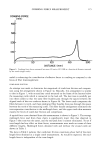
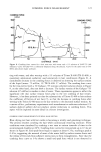
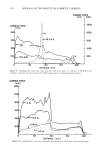
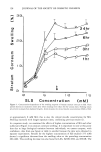
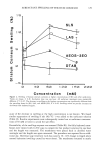
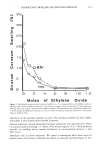
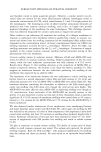
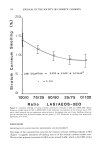
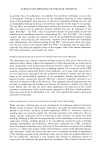
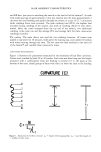
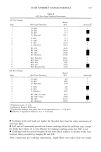
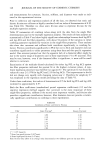
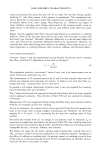
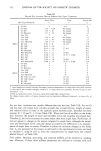
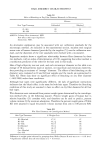
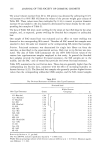
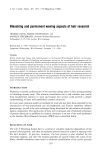
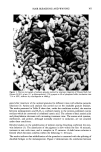
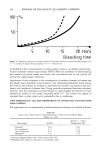
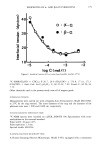
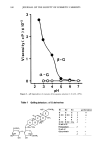
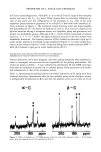
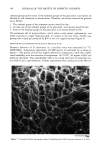
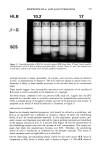
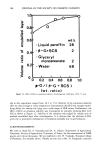
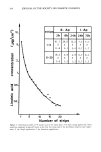
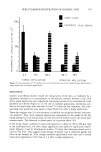
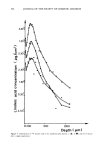
128 JOURNAL OF THE SOCIETY OF COSMETIC CHEMISTS r L'-,' lhr SLS Concentration (mM) Figure 1. Concentration-dependence of the swelling response of human stratum corneum to SLS. Time periods shown are incubation times after which readings were taken for the various doses. Swelling values are percent increases from hydrated lengths. Arrow denotes the critical micelie concentration (CMC) of SLS. at approximately 8 mM SLS this is also the critical micelie concentration for SLS. Swelling increased with longer exposure times, confirming previous results (2). In a separate study, we examined the effects of higher concentrations of SLS and other surfactants (Figure 2) on stratum corneum swelling. It is important to note at this point that due to large biological variation between individuals, we cannot compare, with confidence, data from one figure or table to another because the data were obtained in separate experiments. Results for the highest concentration of SLS studied (175 mM) showed a significant decrease from the swelling value at the preceding concentration (80 mM). This swelling decrease was also found for LAS, AEOS-3EO, and DTAB. The

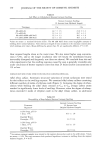
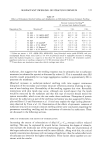
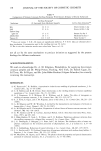
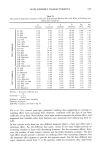
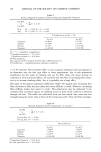
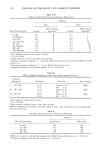
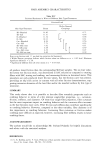
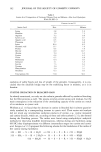
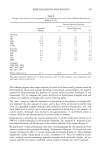
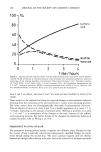
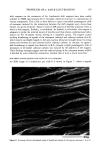
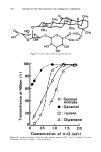
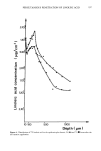
SURFACTANT SWELLING OF STRATUM CORNEUM 129 SLS LAS E AEOS-3EO DTAB Concentration (mM) Figure 2. Swelling of human stratum corneum at higher concentrations of SLS and other surfactants. Values are means ___ $.D. Incubation time was one hour. A11 surfactant treatments were statistically different, P • 0.0•. The decrease in swelling at the highest concentration was significantly different from the preceding doses for SLS, LAS, and AEOS-3EO, P • 0.0•. Swelling values are percent increases (or decreases) from hydrated lengths. cause of the decrease in swelling at the high concentration is not known. We found similar suppression of swelling if salt (Na+C1 -) was added to the surfactant solution (Table II). Routine experiments were subsequently carried out at surfactant concentra- tions of 30 mM or lower to avoid the salt effect. Reversibility of the swelling response was assessed (Table III). Six fully hydrated mem- branes were treated with 0.26% soap (a competitive bar product) solution for one hour and the length was measured. The membranes were placed back in distilled water overnight and the length was again measured. The procedure was repeated for an addi- tional day. One-hour soap treatment each day caused a 10- 12% change in length above normal hydration (swelling caused by water alone). The membranes returned to nearly
Purchased for the exclusive use of nofirst nolast (unknown)
From: SCC Media Library & Resource Center (library.scconline.org)