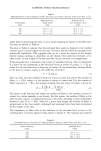
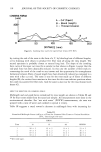
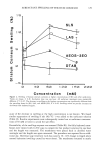
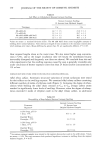
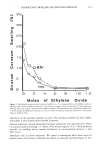
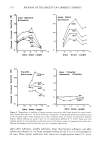
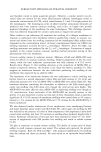
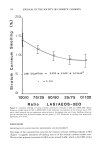
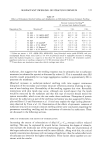
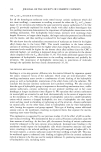
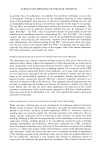
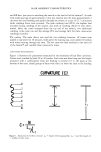
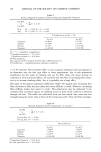
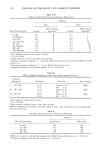
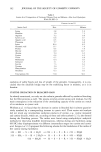
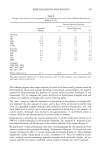
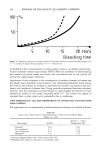
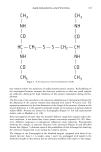
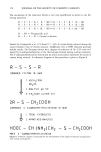
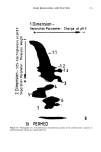
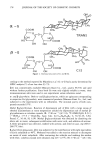
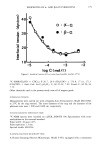
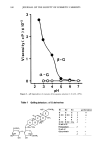
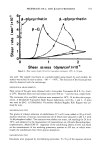
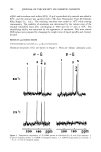
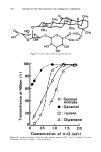
170 JOURNAL OF THE SOCIETY OF COSMETIC CHEMISTS The mechanism of the reduction follows a two step equilibrium as shown in the fol- lowing equations: K - S - S - K + R - SH -- K - S - S - R + K - SH K - S - S - R + R - SH -• R - S - S - R + K - SH K - S - S - K + 2R - SHoR - S - S - R 4- 2K - SH R - SH = Thioglycollic acid K - S - S - K = Cystine in keratin Studies by Gumprecht et al. (21) found 17-43% of cystine being reduced during the usual treatment time of twenty minutes. Strtil3mann (22) at DWI obtained generally similar results. On European brown hair, degrees of reduction of 16-22% were esti- mated by S-carboxymethylation of the thiol groups formed during waving treatment. The S-carboxymethylcysteine determined by amino acid analysis represents the extent of cystine being reduced. A schematic diagram of the procedure is given in Figure 8. R-S -S-R [OHBINED [YSTINE IN HAIR 1. HSEH2EOOH NH6OH 2. DIALYSIS pH 3.0 3 IEH2EOOH {pH 8.9,3h} 2R- COMBINED S EH2EOOH S-EARBOXYMETHYLEYSTEINE IN HAIR •7 1. TOTAL HYDROLYSIS 2. AHINO ACID ANALYSIS HOOE - EH (NH2)EH2 - S- CHzEOOH FREE S-EARBOXYMETHYLEYSTEINE Figure 8. Schematic diagram of procedure for the determination of the degree of reduction during perma- nent waving investigations.

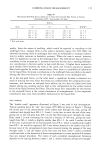
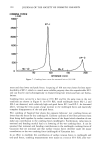
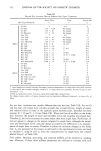
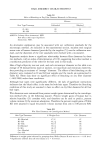
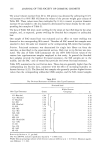
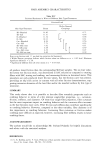
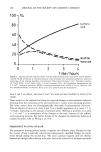
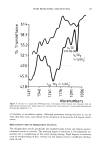
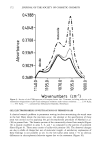
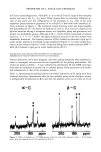
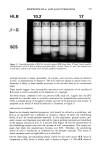
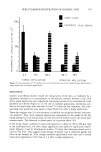
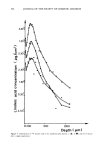
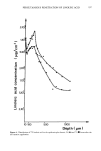
HAIR BLEACHING AND WAVING 171 REOXIDATION STEP OF PERMANENT WAVING Subsequent reoxidation restores most of the cysteine residues formed during reduction to disulfide bonds. Strfi•mann (22) found with European brown hair a recovery of 91%, obtained by estimating the concentration of residual cysteine thiol groups by S-carboxy- methylation and analysis of S-carboxymethylcysteine in acid hydrolysates. The extent is rather similar to the data for cystine recovery reported by other authors, using different methods (21,23). Explanations for the incomplete recovery of cystine bonds include overoxidation of protein-combined cysteine to cysteic acid, and steric separation of cys- teine thiol groups in swollen hair. Gumprecht et al. (21) gave an additional explana- tion. Their data provide evidence for the appearance of significant amounts of mixed disulfide in permed hair in their opinion, this not only arises from the direct reaction between cysteine and thioglycollate but some may be introduced during acid hydrolysis after thiolation of lysine side chain amino groups. As described earlier, cystine oxides must be taken into account for the proper descrip- tion of hair oxidation processes. In permanent waving treatments, their amount has been shown by FTIR analysis to increase during the reoxidation step (Figure 9). Due to their disproportionation into cystine and cysteic acid during hydrolysis with 6N HC1, the determination of these amino acids on permed hair may yield values which are too high. The S-carboxymethylation method used by Strtil3mann (22) has the virtue of avoiding this problem by estimating the irreversibly blocked derivative of cysteine. LOSS OF WEIGHT AS A CONSEQUENCE OF PERMANENT WAVING Strti[•mann (22) performed experiments concerning the loss of weight of hair during the permanent wave treatment. Methylene chloride-extracted European brown hair was used during these investigations. The treatment liquors and all rinsing solutions were collected and lyophilized. Eight percent of the hair weight was found as a dry residue, 3.3% of this material being soluble in chloroform/methanol and 4.7% being soluble in water and denoted as hydrophilic components. Since sebum lipids had been removed prior to waving by the methylene chloride extrac- tion of the hair, the chloroform/methanol fraction is regarded as being derived from the internal lipids or lipoproteins of the cell membrane complex. The water-soluble hydrophilic fraction was acid-hydrolyzed and analyzed for amino acids. Only a small part (0.2-0.6%) of the relatively large amount of soluble material is of proteinaceous origin. The high amount of glycine, serine, and glutamic acid, and the low amount of cystine and cysteic acid found, suggests that they originate from the cell membrane complex. The main components of the hydrophilic fraction presumably have their origin in external impurities of the hair, such as soil, salts, or further sub- stances not soluble in methylene chloride. No additional loss of weight of hair was found during the reoxidation step. Considering the data on loss of weight and on the analysis of the two main fractions, Stri•mann (22) concluded that it is the cell membrane complex which is partly solubi- lized during thioglycollate treatment. This view is consistent with the findings of Chao et al. (24) that the mechanical isolation of the hair cuticle is facilitated in permed hair, conceivably also due to weakening of the cell membrane complex by the treatment.
Purchased for the exclusive use of nofirst nolast (unknown)
From: SCC Media Library & Resource Center (library.scconline.org)