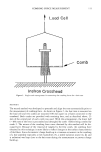
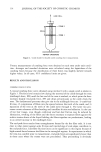
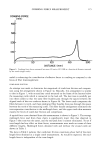
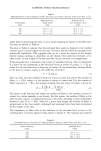
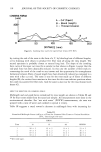
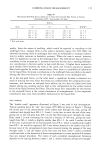
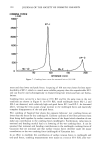
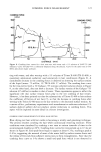
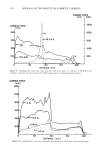
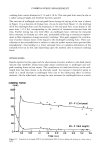
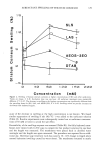
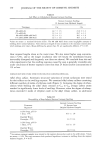
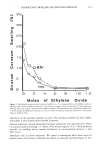
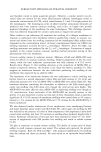
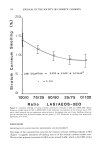
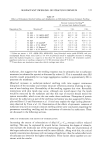
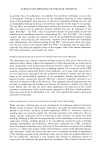
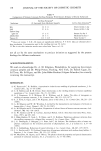
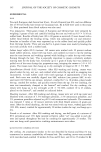
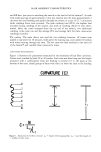
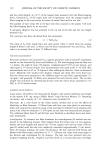
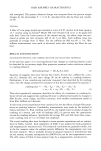
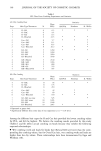
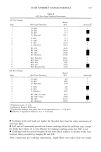
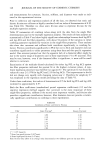
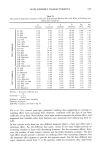
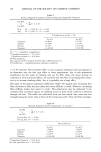
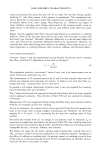
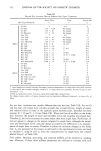
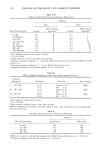
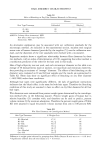
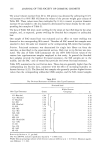
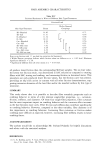
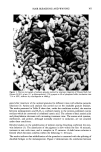
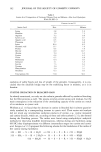
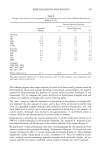
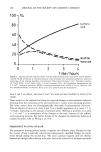
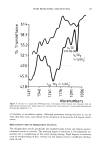
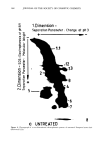
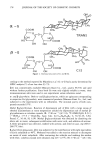
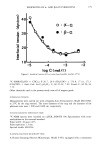
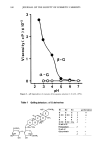
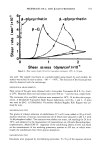
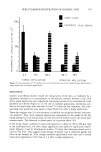
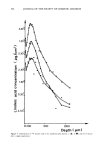
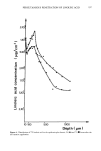
COMBING FORCE MEASUREMENT ! 15 COMBING FORCE (mN) I00 I I I i 0 50 I00 150 200 DISTANCE (rnrn) Figure 3, Combing force for an untreated hair tress (20 cm) at 65% RH as a function of distance traversed by the comb (single comb). useful in enhancing the contribution of adhesive forces in combing as compared to the forces of fiber disentanglement. COMB-HAIR FRICTION An attempt was made to determine the magnitude of comb-hair friction and compres- sion using the arrangement shown in Figure 4a. Basically, this arrangement is similar to that in Figure 1, with an auxiliary comb mounted on the frame of the Instron below the measuring comb which is connected to the load cell. The hair tress is carefully put into these combs so that the same fiber bundles pass through the spaces between the aligned teeth of the two combs as shown in Figure 4b. The lower comb compresses the fibers between its teeth, and these prealigned fiber bundles then pass through the spaces between the teeth of the measuring comb. This fiber bundle arrangement eliminates the tress separation contribution to the midlength force, and the upper comb thus measures mainly the forces of comb-hair friction and compression. A typical force curve obtained from this measurement is shown in Figure 5. The average midlength force read from these charts is significantly lower than that observed in Figure 3 (the tress was the same), and the end-peak force is almost eliminated. To see if tress length had any effect on these forces, measurements were made on tresses of three different lengths. Midlength forces obtained with and without the second comb are shown in Table I. The data in Table I indicate that comb-hair friction constitutes about half of the mid- length force obtained in a single comb measurement. As would be expected, the mid- length force is independent of the tress length.

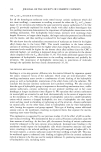
116 JOURNAL OF THE SOCIETY OF COSMETIC CHEMISTS (a) Load Cell Combs robs •'•1"[ "• I nstron Frame Instron Crosshead Figure 4. Schematic sketch of apparatus for measuring combing force (prealigning arrangement). END-PEAK FORCES As mentioned earlier, the end-peak force is assumed to arise mainly as a result of tangles formed by the fiber tips as the comb approaches the last few millimeters of the tress. If this assumption is correct, tress length should not have any effect on the end-peak force. In an effort to check this hypothesis, end-peak forces were measured at three different tress lengths by changing the position of comb insertion along the length of the tress, COMBING FORCE (iN) 120 - 80- 40 0 5o i00 150 DISTANCE (ram) Figure 5. Combing fbrce for an untreated, prealigned hair tress (20 cm) at 65% RH as a function of distance traversed by the combs.
Purchased for the exclusive use of nofirst nolast (unknown)
From: SCC Media Library & Resource Center (library.scconline.org)