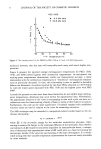
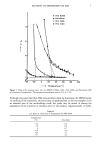
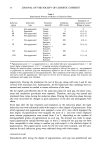
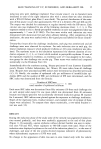
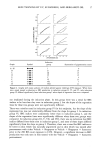
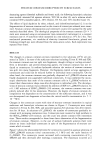
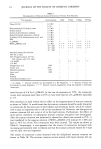
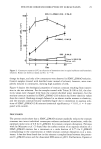
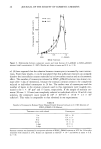
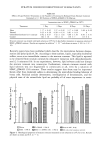
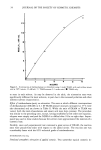
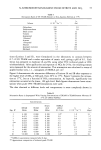
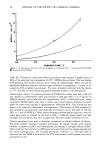
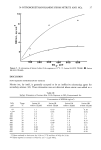
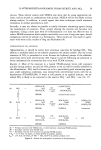
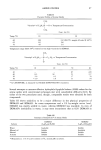
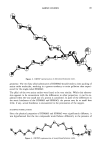
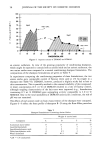
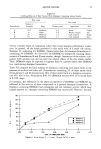
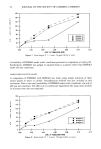
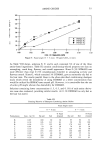
AMINE OXIDES 53 160 140 - 120 - 100 - 80 - 60 - 40- 20- 0 / iJ ß shampoo C _ ,•"' • ß shampoo D I I I I I 0.00 0.02 0.04 0.06 0.08 0.10 0.12 ½o•3. OF FORMUtaTiON (•) Figure 9. Foam height (T = 5 min). 150 ppm CaCO 3 in water. As Table VIII shows, solutions E, F, and G each contained 3% of one of the three amine-based ingredients. Table IX contains conditioning-related property test data on untangling, comb drag, flyaway, and overall appearance. Rinse F (3% SDMAO) was more effective than rinse E (3% stearalkonium chloride) in untangling activity and flyaway control. Rinse G, which contained 3 % DDMAO, gave an extremely oily feel to the hair tress. The results parallel those in the above-described conditioning shampoo study which reveal the desirability of using DDMAO at a lower concentration than would be utilized for SDMAO near neutral pH. However, it is conceivable that the use of acidic pH might obviate this desirability for DDMAO. Solutions containing lower concentrations (1.5, 0.5, and 0.1%) of each amine deriva- tive were also evaluated, providing similar results. At 0.1% DDMAO no oily feel to the hair was noted. Table VII Foaming Behavior of Shampoos Containing Amine Oxides Foam height (mm) T = 0min T = 5 min % Foam % Foam Formulation Conc. (wt %) No soil Soil retained No soil Soil retained B 0.05 100 30 30 95 30 32 B 0.10 145 135 93 50 50 100 B 0.20 175 155 89 170 145 85 C 0.05 70 20 28 70 20 28 C 0.10 120 50 41 120 45 38 C 0.20 155 150 97 150 140 93 D 0.05 115 30 26 105 25 24 D 0.10 160 60 37 160 55 34 D 0.20 170 155 91 170 155 91

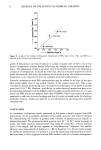
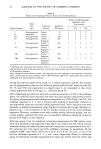
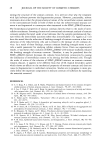
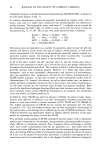
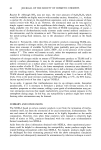
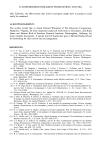
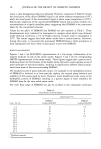
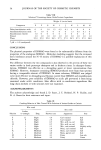
54 JOURNAL OF THE SOCIETY OF COSMETIC CHEMISTS Table VIII Solutions* Containing Amine Oxide/Cationic Ingredients Weight % (active basis) Component E F G H I J K L M N Didecylmethylamine oxide 0 0 3.0 1.5 0.5 0.1 0 0 0 0 Stearyldimethylamine oxide 0 3.0 0 0 0 0 1.5 0.5 0.1 0 Stearalkonium chloride 3.0 0 0 0 0 0 0 0 0 0 Ethanol 2.0 2.0 2.0 2.0 2.0 2.0 2.0 2.0 2.0 2.0 Water 95.0 95.0 95.0 96.5 97.5 97.9 96.5 97.5 97.9 98.0 * pH = 6.9 (unadjusted). CONCLUSIONS The physical properties of DDMAO were found to be substantially different from the properties of the analogous SDMAO . Molecular modeling suggests that the increased steric hindrance around the N-O moiety of DDMAO is a possible explanation of this behavior. The difference between the two compounds is also observed in the activity of these two amine oxides in both prototype shampoos and in skeleton rinses. In shampoo formu- lations, DDMAO was effective as a detangling agent at lower concentrations than SDMAO. However, shampoos containing SDMAO produced more foam than systems having a comparable amount of DDMAO. In rinses solutions, DDMAO was judged to be more effective in detangling and flyaway control than SDMAO and stearalkonium chloride. However, poor solubility of DDMAO at acidic pH prevented it from being examined under acidic conditions. Hair effects with co-conditioner ingredients like long-chain alcohols or with silicones were not examined. ACKNOWLEDGMENTS The authors acknowledge and thank J. D. Sauer, J. E. Borland, H. P. Guidry, and B. A. Bauer for their assistance and input. Table IX Combing Behavior of Hair Treated With Solutions of Amine Oxides or Cationic Wet comb Dry comb Strokes Solution to untangle Drag Flyaway (cm) Appearance Feel E 12 Slight 4.0 Curl retained Soft F 8 Slight 2.0 Curl retained Soft G 4 Slight 0.5 Wet, stiff, no curl Oily H 2 Slight 0.5 Wet, stiff, no curl Oily I 2 Slight 2.5 Wet, curl retained Slightly sticky J 2 Slight 3.0 Shiny, curl retained Soft K 6 Moderate 3.0 Shiny, curl retained Soft L 5 Moderate 4.0 Shiny, partial curl Soft M 6 Moderate 4.3 Frizzy Less soft N 8 Moderate 4.6 Frizzy Coarse
Purchased for the exclusive use of nofirst nolast (unknown)
From: SCC Media Library & Resource Center (library.scconline.org)