J. Soc. Cosmet. Chem., 38, 83-98 (March/April 1987) Effects of some cosmetic pigments on the bactericidal activities of preservatives TETSUO SAKAMOTO, MITSUO YANAGI, SHOJI FUKUSHIMA, and TAKEO MITSUI, Shiseido Laboratories, 1050, Nippa-cho, Kohoku-ku, Yokohama-shi, 223 Japan. Received September 13, 1982. Presented at the Annual Seminar of the Society of Cosmetic Chemists, Memphis, Tennessee, May I3, I982. Synopsis The effects of eight cosmetic pigments on the bactericidal activities of p-hydroxybenzoic acid esters (methyl through butyl) were investigated by a viable cell count method. Most of the tested pigments interfered with the bactericidal action of all four perservatives. The degree of inactivation was highest for ultramarine blue followed by talc, titanium dioxide (R), titanium dioxide (A), red oxide of iron, and yellow oxide of iron. In general, the bactericidal activity of methyl p-hydroxybenzoate was affected the least. The mechanism of inactivation was also investigated. The lack of a phenolic hydrogen for inactivated methyl p-hydroxybenzoate was demonstrated by •H-NMR analysis. It is likely that the phenolic hydrogen of methyl p-hydroxybenzoate was replaced by some metal from the coexistent pigments. This is postulated to be the inactivation mechanism. The addition of EDTA prevented the inactivating action. INTRODUCTION Microbial contamination of non-sterile cosmetic formulations has recently drawn con- siderable attention. A number of suggestions have been put forward to overcome such problems (1-3). The addition of properly selected preservatives is of special impor- tance, particularly in dealing with contamination during use. A key factor to be consid- ered in the choice of a proper preservative is the interaction between the particular germicide and the ingredients of the formulation. Although many cosmetic materials, especially surfactants, have been shown to interact with a number of preservatives (4-6), the direct microbiological consequences of such interactions are not fully catalogued. Information, concerning the effects of cosmetic pigments on the bactericidal activities of preservatives, is rarely found. The present investigation deals with the effects of various cosmetic pigments on the bactericidal activities of four commonly used preser- vatives. 83

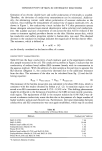
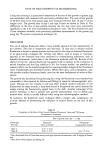
84 JOURNAL OF THE SOCIETY OF COSMETIC CHEMISTS MATERIALS AND METHODS COSMETIC PIGMENTS The following pigments were used: red oxide of iron, yellow oxide of iron, titanium dioxide (Rutile), titanium dioxide (Anatase), talc, ultramarine blue, kaolinite, and silica alumina. These cosmetic pigments were Japanese cosmetic-grade materials. PRESERVATIVES Methyl p-hydroxybenzoate (MP), ethyl p-hydroxybenzoate (EP), propyl p-hydroxyben- zoate (PP), and butyl p-hydroxybenzoate (BP) were used. They were Japanese Pharma- copoeia reagent grade. TEST ORGANISMS Staphylococcus aureus 209P, Escherichia coli o-1, Pseudomonas aeruginosa IAM 1007, and a laboratory strain of Candida albicans were used in this study. CULTURE MEDIA Bacteria were grown on nutrient agar plates and yeast was grown on potate dextrose agar plates. Cells in the late phase were used for inoculations. DETERMINATION OF THE BACTERICIDAL ACTIVITIES OF THE PRESERVATIVES IN THE PRESENCE OF COSMETIC PIGMENTS Actively growing bacteria were cultivated on nutrient agar plates for 18 hrs, at 37øC. The growth was aseptically washed off with 5 ml sterile distilled water. The suspensions were freed by agitation from microorganism clumps and used as inocula. Each of the reaction systems consisted of 2.5 ml of the individual solutions of the preservatives, 2.0 ml of the sterile suspension of the material under test, and 0.5 ml of the inoculum (Table I). The pH of these reaction mixtures were not adjusted. The mixture was vigorously shaken and incubated at 37øC or 25øC for 5 hr. Aliquots were then decinormally diluted with a 1% sterile solution of polysorbate 80 (7). Table I Final Concentrations of the Components of the Incubation Mixture Component Final concentration Cosmetic pigment 0.05 g Preservative MP 10 mg EP 8.5 PP 2.5 BP 0.1 Water (Dist.) to 5.0 ml Inoculum size: about 108 cells per test tube.
Purchased for the exclusive use of nofirst nolast (unknown)
From: SCC Media Library & Resource Center (library.scconline.org)