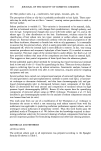
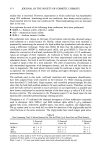
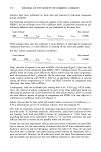
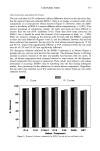
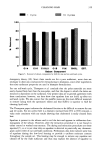
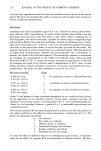
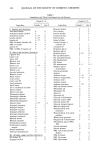
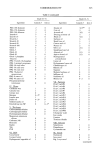
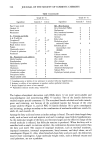
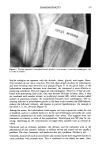
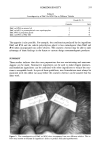
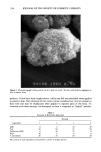
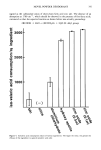
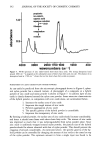
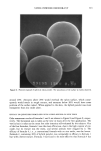
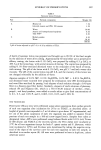
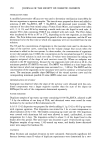
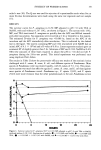
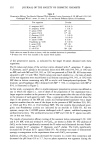
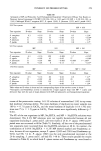
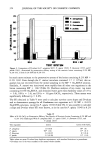
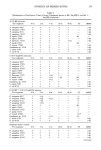
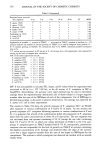
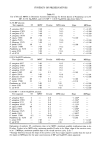
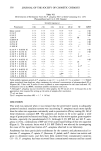
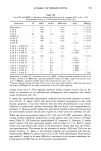
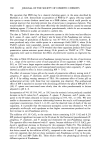
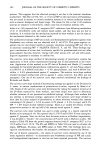
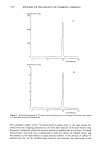
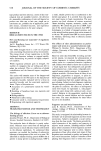
328 JOURNAL OF THE SOCIETY OF COSMETIC CHEMISTS ISOPROPYL MYRISTATE - OCTYL DODECYL STEAROYL STEARATE Figure 2. Ingredient testing in the rabbit ear assay--the macroscopic view of the results from testing isopropyl myristate. Microscopic examination confirmed the comedogenicity seen visually. Note that the ingredient is also an irritant compared to a potential substitute, octyl dodecyl stearoyl stearate. hydrogenated vegetable oil (Crisco ©) appears to contain residual irritating lipids. Among the natural oils such as sesame oil, avocado oil, and mink oil, the results are improved when a more refined oil is used. However, it seems easier to use safflower oil and sunflower oils, which are naturally less comedogenic. Mineral oil presents a com- plex problem: some sources are acceptable others are not. D&C red colors represent a perplexing mixture of different types of red dyes and pig- ments. Some are mildly comedogenic others are not. The common pigments used in powder blushers (D&C red #6, barium lake D&C red #7, calcium lake and D&C red #9, barium lake) are relatively noncomedogenic. However, the vehicle is also particu- larly important for the D&C red colors. A dry compressed powder or powder suspended in an evaporating vehicle such as propylene glycol may be noncomedogenic. The same dye incorporated into a nonevaporating oil can be comedogenic (Table II, Figure 5). Carmine, which is a red dye obtained from insect wings, is noncomedogenic and may be used as a substitute. The iron oxides, chromium hydroxide, and titanium dioxide are not a problem. The silicones and steroIs do not appear to be a problem. Among the vitamins, tocoph- erol is a follicular irritant. Tocopherol has been advocated by the layman for years to increase wound healing and reduce scar formation. However, it should not be used on acne-prone skin because of its potential to produce follicular hyperkeratosis. The deriva- tive, tocopheryl acetate, is noncomedogenic, and research needs to be done to see if it is an acceptable substitute.

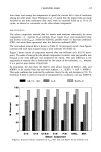
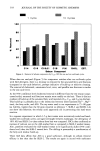
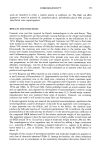
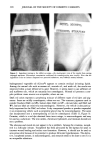
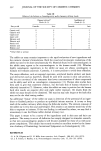
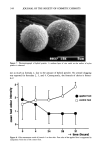
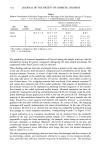
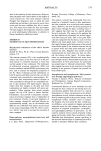
COMEDOGENICITY 329 .,. ! &t, Cosoz ISOCETYL ALCOHOL .. ., , _ .'-". , r•tl'.,.,'/' Figure 3. The brsnched-½h•in •l½ohol is more ½ornedo•eni½ •nd more irrit•tin• th•n the •l½ohol. As for the miscellaneous items, the usual sunscreen active ingredients are noncomedo- genic. Among chemical solvents, acetone, ether, and EGME are not problems, but xylene is comedogenic and an irritant. When metallic bases, such as lithium, magne- sium, and zinc stearate, are added to the fatty acids, the metal appears to prevent the comedogenic reaction. Among bases, triethanolamine is more comedogenic than ami- nomethylpropylamine. The classic formulation of a cold cream often involves a salt bridge between stearic acid and triethanolamine. In testing different ratios [4:1, 1:1, 1:4] of stearic acid to triethanolamine (stearic acid:TEA) in a cold cream base, all com- binations were found to be comedogenic. The influence of the vehicle or solvent on the comedogenicity and irritancy of a chem- ical appears quite significant. For example, the use of rapidly evaporating vehicles such as acetone or ether reduces the comedogenicity of fatty acids when compared to the results obtained with sunflower oil, a nonvolatile vehicle (Table III). The effects on irritancy are reversed. Fatty acids are less irritating when delivered in a nonvolatile vehicle. As with the fatty acids, the vehicle or carrier for the D&C red pigment is extremely important. Whereas the D&C red color may be noncomedogenic in volatile propylene glycol, it may be more comedogenic in mineral oil. Possible alternatives for mineral oil, such as pentaerythrital tetra capra/caprylate and polyethylene glycol 400, also reduce the comedogenicity of the red color (Table II). We have chosen propylene glycol as the routine diluent for these studies, as it gradually evaporates and leaves a concentrate of the raw material to be tested. Also, lot after lot of propylene glycol has proven to be nonirritating and noncomedogenic.
Purchased for the exclusive use of nofirst nolast (unknown)
From: SCC Media Library & Resource Center (library.scconline.org)