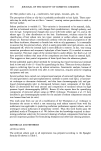
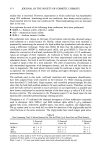
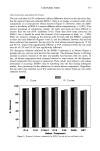
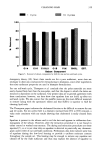
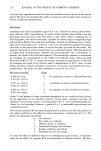
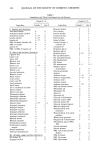
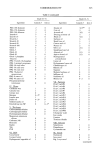
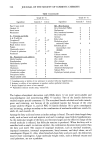
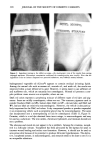
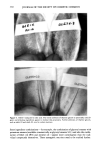
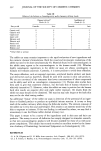
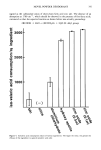
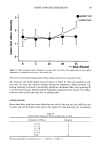
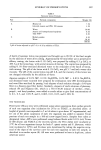
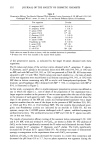
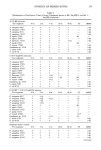
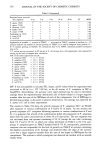
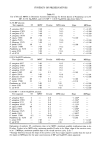
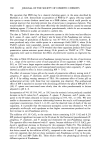
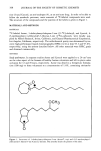
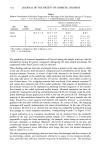
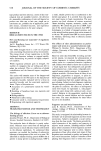
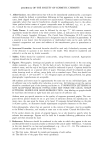
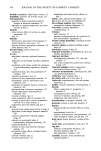
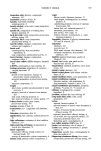
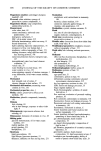
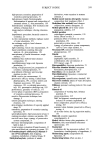
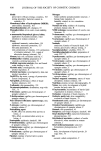
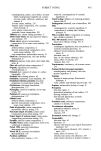
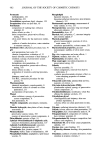
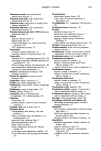
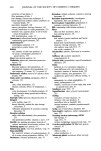
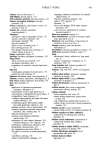
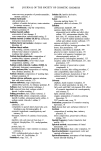
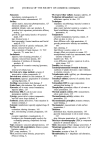
326 JOURNAL OF THE SOCIETY OF COSMETIC CHEMISTS Table I (continued) Grade (0-5) Ingredient Comedo. ? Irrit. $ Ingredient Grade (0 - 5) Comedo. ? Irrit. Peg 10 soya sterol 0 1 XlI. Miscellaneous Choleth 24 0 0 Octyl dimethyl PABA Sterol esters 0 0 Oxybenzone Phytantriol 2 2 Octyl methoxycinnamate Octyl salicylate X. Vitamins and herbs Acetone A & D additive 2 0 Tocopherol* 0- 3' 0- 3' Ethyl ether Tocopheryl acetate 0 0 Diethylene glycol Black walnut extract 0 0 monoethyl ether Papain 0 0 Ethylene glycol Chamomile extract 0 0 monomethyl ether Vitamin A palmitate 1-3' 1-3' (EGME) Panthenol 0 0 Xylene Lithium stearate XI. Preservatives and additives Magnesium stearate Methyl paraben 0 0 Zinc oxide Propylparaben 0 0 Zinc stearate Phenoxyethyl paraben 0 0 Triethanolamine Allantoin 0 0 Stearic acid: TEA Hydantoin Amoniomethylpropinate Sodium hyaluronate 0 0 Sodium PCA Chondroitin sulfate 0 0 Hydrolyzed animal protein Precipitated sulfur 0 0 Water-soluble sulfur 3 0 0 0 0 0 0 0 0 0 0 0 0 0 0 0 0 0 4 3 1 0 1 0 1 0 0 0 2 0 3 2 0 0 0 0 0 0 ? Comedogenicity or ability of test substance to produce follicular hyperkeratosis. $ Irritancy or ability of test substance to produce surface epithelial irritation. * Results depend on source of raw material. ** Parentheses indicate results using "reftned"oil. The higher ethoxylated derivatives with HLBs above 12 are more water-soluble and noncomedogenic and nonirritating (PEG 75 lanolin). Two of the lanolin derivatives studied require special comments: (1) The acetylated lanolin alcohols are both comedo- genic and irritating, not because of the acetylated lanolin but because of the cetyl acetate additive (Figure 1), and (2) PEG 16 lanolin (Solulan 16) is quite comedogenic and irritating, perhaps secondary to the combination of nonlanolin additives: ceteth-16, oleth- 16, and steareth- 16. Among the fatty acids and esters a similar analogy is found. The mid-chain-length fatty acids, such as lauric acid and myristic acid and its analogs cause follicle hyperkeratosis. As the molecular weight of the fatty acid becomes larger and the effective charge of the overall molecule is reduced, less follicular reaction is produced. When the fatty acid is esterified with a small- to mid-size alcohol, the combination becomes more potent than the fatty acid itself. The cousins of isopropyl myristate, such as myristyl myristate, isopropyl isostearate, isostearyl neopentanoate, butyl stearate, and decyl oleate, are all comedogenic (Figure 2). Also, when branched-chain fatty acids are used, the derivatives may be more comedogenic. Large molecular weight esters, such as behenyl erucate and cetyl palmitate, are not a problem.

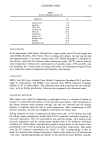
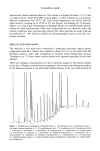
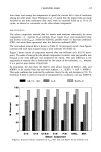
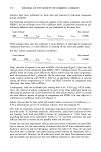
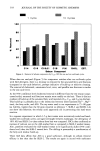
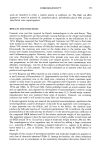
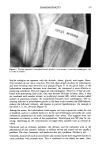
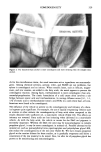
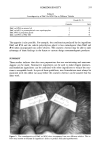
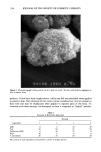
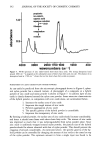
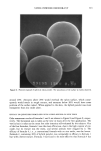
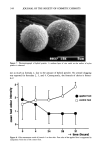
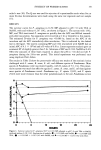
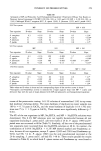
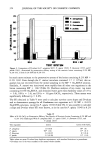
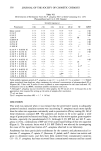
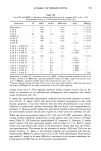
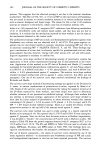
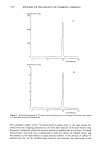
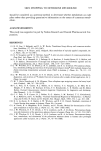
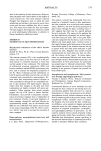
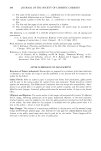
COMEDOGENICITY 327 Figure 1. The key ingredient is acetylated lanolin alcohol -- cetyl acetate--is not only comedogenic, but it is also an irritant. Similar analogies are apparent with the alcohols, ethers, glycols, and sugars. Short- chain alcohols do not cause a reaction. The mid-chain-length alcohols are comedogenic and more irritating than their fatty acid analogs (Figure 3). In the glycol series, as the hydrocarbon component becomes more dominant, the compound is more effective at producing comedones. The pure sugars are noncomedogenic. However, if they are com- bined with penetrating fatty acids, they may become follicular irritants. Also, if they are combined with another irritant, as in glyceryl stearate (SE), which contains added sodium or potassium stearate, the combination becomes more comedogenic. The in- creasing addition of polyethylene glycols to the fatty acids increases the HLB balance, reduces the follicular irritancy, and appears to prevent hyperkeratosis. An example is the oleth 3, 5, 10, 20 series (Figure 4). Among the waxes, the hydrocarbon chains appear too long to penetrate unless the wax is modified, such as in sulfated jojoba oil. In the case of beeswaxes and jojoba oils, some commercial preparations are more comedogenic than others. This suggests more con- taminants or irritants in some of the preparations. Emulsifying wax NF may be irri- tating, depending on the concentration of longer-chain alcohols such as cetearyl al- cohol. Chemicals such as cellulosic polymers, the silicates, and the carbomers used in the pharmaceutical and cosmetic industry to thicken lotions and creams are not usually a problem. The clays, bentonite, and kaolin are also not a problem. Neither is talc. Clinically, natural oils such as cocoa butter and coconut butter have long been known to cause problems with pomade acne. This is confirmed in the rabbit ear assay. Also,
Purchased for the exclusive use of nofirst nolast (unknown)
From: SCC Media Library & Resource Center (library.scconline.org)