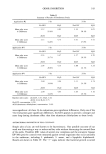
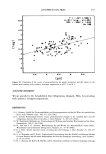
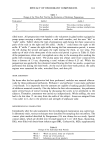
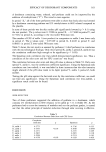
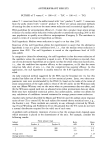
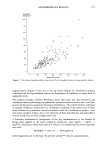
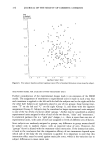
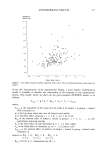
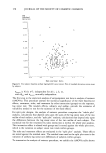
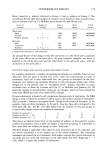
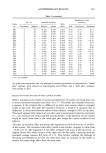
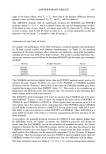
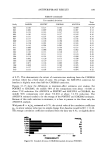
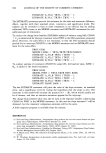
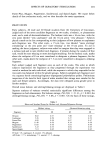
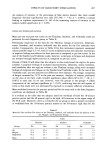
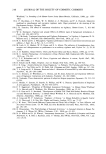
ODOR INHIBITION 143 Table II Summary of Results of Deodorancy Study Application #2 5 hr 24 hr Zn-GLY H20 Zn-GLY Mean odor score 3.12 4.03 3.34 % Difference 22.6% 28.1% H20 4.65 ACH H20 ACH H20 Mean odor score 3.13 4.75 3.91 % Difference 34.0% 27.8% 5.41 Application #3 5 hr 24 hr Zn-GLY H20 Zn-GLY Mean odor score 2.33 3.47 3.27 % Difference 32.7% 30.5% H20 4.70 ACH H20 ACH H20 Mean odor score 2.95 4.15 3.88 % Difference 28.8% 26.1% 5.24 Application #4 5 hr 24 hr Zn-GLY H20 Zn-GLY Mean odor score 2.60 3.94 3.11 % Difference 34.0% 34.5 % H20 4.74 ACH H20 ACH H20 Mean odor score 2.90 4.45 3.64 % Difference 34.9% 29.5% 5.16 Baseline odor scores: Zn-GLY, 6.41 H20 , 6.42 ACH, 6.64 H•O, 6.73 Zn-GLY concentration: 4.5%. ACH (aluminum chlorhydrate) concentration: 5.0%. were significant: all three 24-hr evaluations gave significant differences. Only one of the 5-hr evaluations gave significant differences. Zn-GLY appears to provide a stronger and more long-lasting deodorant effect than does aluminum chlorhydrate at these levels. ANTIMICROBIAL PROPERTIES OF ZINC GLYCINATE Simple salts of zinc are well known to be bacteriostatic. One possible outcome of our work was discovering a way to reduce axillary odor without destroying the natural flora of the axilla. Therefore MIC values of several zinc complexes and the antiseptic Irgasan DP 300 (positive control) were measured against several organisms that occur naturally in the underarm, including S. epiderrnid)s, S. aureus, and a lipophilic diphtheroid. Results are shown in Table IV. The "" signs indicate that bacterial growth occurred

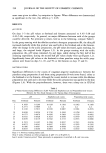
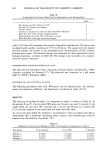
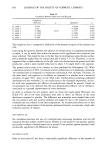
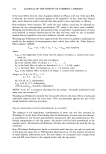
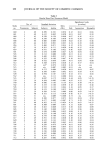
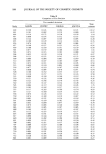
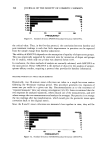
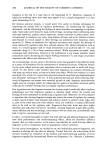
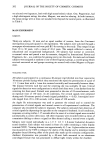
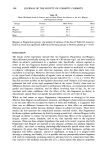
144 JOURNAL OF THE SOCIETY OF COSMETIC CHEMISTS Table III Statistical Analysis of Deodorant Effect of Zn-GLY vs Aluminum Chlorhydrate Mean odor score Significance level Application 2 5 hr Zn-GLY 3.12 ACH 3.13 0.945 24 hr Zn-GLY 3.34 0.003 ACH 3.91 Application 3 5 hr Zn-GLY 2.33 ACH 2.95 24 hr Zn-GLY 3.27 ACH 3.88 Application 4 5 hr Zn-GLY 2.60 ACH 2.90 0.005 O.OO3 0.155 24 hr Zn-GLY 3.11 ACH 3.64 0.044 Table I¾ Minimum Inhibitory Concentrations of Zinc Compounds Against Various Bacteria MIC (ppm) Li pop hili c Staphylococcus Staphylococcus Compound diphtheroid epidermis aureus ZnC12 1000 1000 1000 Zn-GLY 1000 1000 1000 Zn-NTA 9600 9600 9600 Zn-HEDPxz 1000 1000 1000 Zn-EDDA 6500 6500 6500 Irgasan 16 0.5 0.5 at the highest concentration of zinc compound. None of the zinc compounds are con- spicuously inhibitory, effective levels ranging from 0.1 to 1%. Zinc glycinate is typical. DISCUSSION Zinc, as zinc glycinate and at the levels tested, binds rapidly to both hair and skin. Specifically, a 100-mM solution deposits approximately 100 }xmol of zinc per gram of tissue. Since this proportion seems to be similar for both skin and hair, we infer that the
Purchased for the exclusive use of nofirst nolast (unknown)
From: SCC Media Library & Resource Center (library.scconline.org)