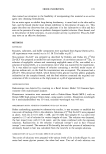
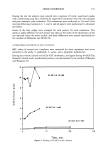
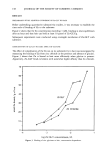
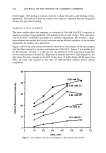
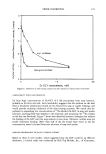
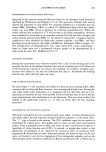
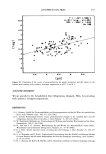
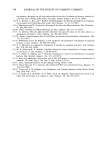
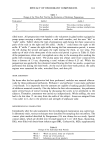
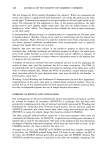
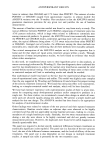
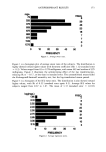
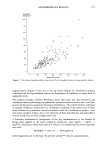
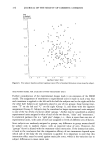
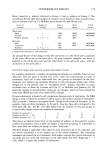
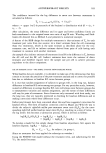
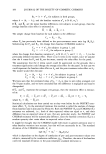
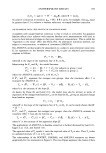
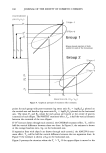
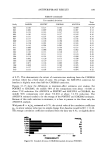
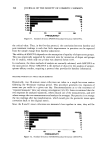
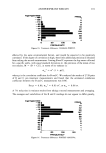
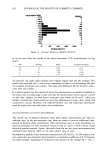
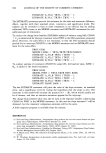
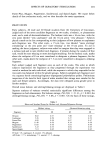
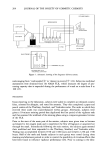
ODOR INHIBITION 141 • 0 0 beta-glucuronidase I lO 2o Zn GLY concentration, mM. Figure 6. Inhibition of odor-causing enzymes by hair exposed to various levels of Zn-GLY. COMPATIBILITY WITH SOAP PRODUCTS Zn from high concentrations of Zn-GLY (0.5 M) precipitates from soap solution, probably as Zn fatty acid salt. Such insolubility suggests that Zn residues on the skin (from a deodorant preparation) would not be removed by soap or syndet washing, and would provide enduring inhibition of the odor-causing enzymes. We tested this hy- ß 65 pothesis by suspending low concentrations of Zn-labeled Zn-GLY in soap and syndet ß 65 ß solutions, exposing fresh hair samples to the solutions, and measuring the Zn residue on the hair (see Methods). Figure 7 shows that dissolved synthetic detergent bar reduces the binding of Zn-GLY and that soap reduces it even more. However, neither soap nor syndet eliminates binding. More than half of the Zn bound from water at any Zn concentration tested is bound from test solutions of soap and syndet. AXILLARY DEODORANCY OF Zn-GLY: CLINICAL STUDIES Based on these in vitro studies, which suggested that Zn-GLY could be an effective deodorant, a clinical study was conducted by Hill Top Biolabs, Inc., of Cincinnati,

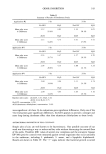
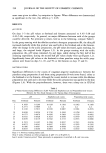
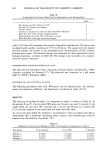
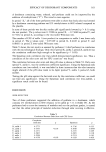
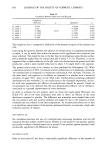
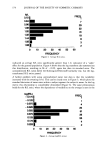
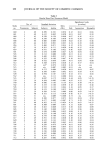
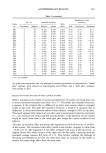
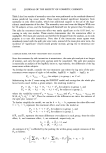
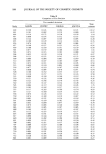
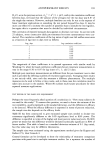
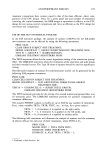
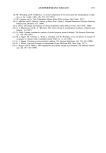
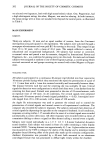
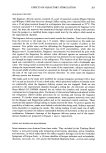
142 JOURNAL OF THE SOCIETY OF COSMETIC CHEMISTS syndet, soap, •. 0.5 mM Zn % syndet, 0.1 mM Zn soap, 0.1 mM Zn 0.00 0.05 0.10 % soap or syndet Figure 7. Reduced binding of Zn-GLY to hair from soap and syndet compositions. 0.15 Ohio. The study assessed the deodorant efficacy of Zn-GLY. A test solution 1.5 % in Zn (4.5% Zn-GLY) was employed this level represents the maximum solubility of Zn-GLY in aqueous solution. The positive control was 5.0% aluminum chlorhydrate. At this level the aluminum compound effects deodorancy via antimicrobial action but does not inhibit perspiration. The negative control was distilled deionized water. A summary of the results of the deodorancy study is given in Table II. Mean odor scores represent the four-judge average odor scores, post-treatment. The control values are the average baseline odor scores for the various cells. The differences among these evalua- tions were analyzed using the distribution free signed-rank test described in reference 8. Zn-GLY (4.5%) was significantly more effective than H20 in controlling malodor at each post-treatment evaluation. Aluminum chlorhydrate (5.0%) was significantly more effective than H20 in controlling malodor at each post-treatment evaluation. The Hill Top report does not include a comparison between the deodorant efficacies of Zn-GLY and aluminum chlorhydrate. We therefore performed Student's t-test of the data (Cricket Statworks). The results are given in Table III. The group receiving Zn-GLY treatment exhibited lower mean odor scores than did the group receiving aluminum chlorhydrate treatment at all six evaluations. Of these six differences, four
Purchased for the exclusive use of nofirst nolast (unknown)
From: SCC Media Library & Resource Center (library.scconline.org)