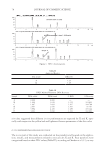
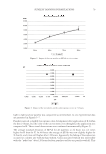
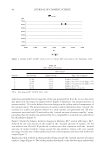
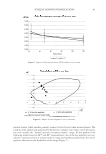
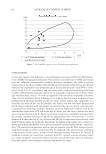
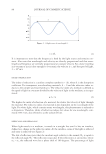
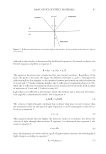
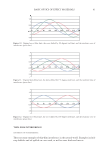
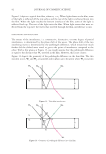
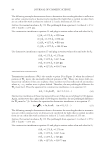
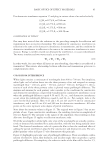
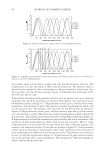
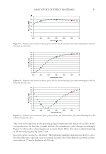
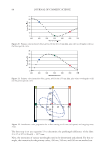
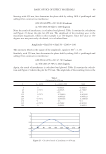
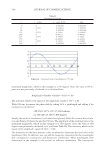
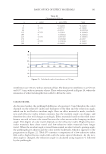
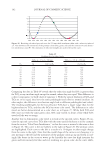
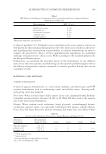
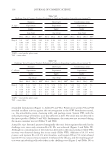
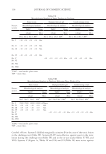
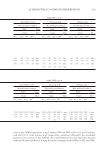
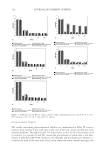
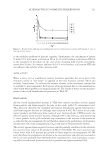
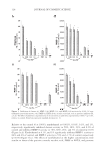
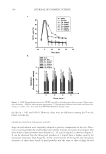
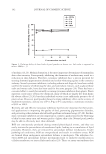
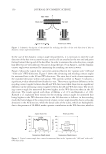
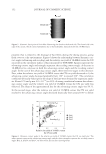
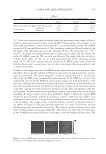
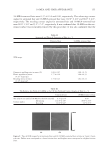
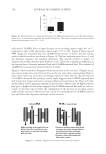
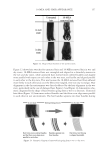
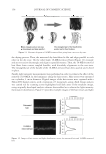
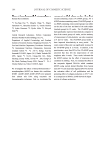
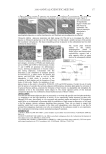
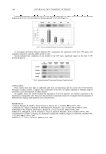
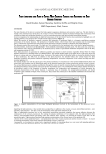
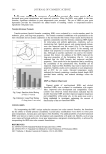
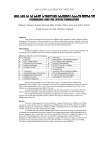
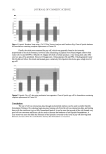
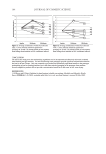
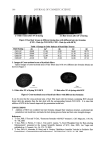
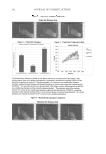
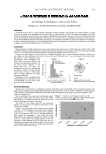
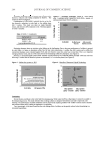
JOURNAL OF COSMETIC SCIENCE 104 SUMMARY Effect materials derive their color and effect primarily from thin-fi lm interference. In- terference occurs when an effect material has at least one thin optically active layer. When light impinges on the layers of an effect material, light is both refl ected and re- fracted. How the light is refl ected and refracted depends on the refractive indexes of the layer and of the medium. The interference of the wave is dictated by the pathlength difference, 2n2dCos(θ2). Depending of the pathlength difference, a given wave can be constructively interfered, destructively interfered, or more likely, to some degree par- tially interfered. The color from interference comes from adding the colors from the resulting interference from each wave across the spectrum. Effect materials based on thin-fi lm interference will have a refl ection interference color and a transmission inter- ference color, which are complementary to each other. Since the color is dictated by the pathlength difference, color depends on the refraction angle, which corresponds to the incident angle. Therefore, color is angle-dependent and is said to travel as the incident angle is varied. Figure 29. Shifting color curves due to incident angle for a SiO2 fi lm. The dark blue curve farthest to the right is at normal and the olive green curve farthest to the left is for 80 degrees. Others are at 10-degree steps. Also shown are the intensities of the primary colors (blue, green, red). The light green primary highlights with the black square are increasing after minimum. The light blue primary highlights with the black square are decreasing after maximum. Table V Resulting Color Due to Shifting Incident Angles for SiO2 Film Angle Blue Green Red Result 0 Low High Low Green 10 Low High Low Green 20 Medium Medium Low Blue-green 30 High Medium Low Green-blue 40 High Low Medium Red-blue 50 High Low High Violet 60 Medium Low High Magenta 70 Medium Medium High Red 80 Low Medium High Orange

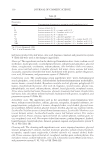
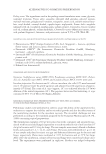
BASIC OPTICS OF EFFECT MATERIALS 105 REFERENCES (1) A. Vašíček, Optics of Thin Films (North-Holland Publishing Company, Amsterdam, 1960), pp. 1–8, 79–86, 132–139. (2) K. Nassau, The Physics and Chemistry of Color: The Fifteen Causes of Color, 2nd ed. (Wiley-Interscience, New York, 2001), pp. 250–252, 444–445. (3) L. Armanini, Basic optics and pearlescent pigments, Surface Coatings Australia, 26, 6–8, 10–11, 14 ( July 1989). (4) M. Yadav, Special optical effect pigments, PaintIndia (Suppl.), 57, 129–149 (May 2007).
Purchased for the exclusive use of nofirst nolast (unknown)
From: SCC Media Library & Resource Center (library.scconline.org)