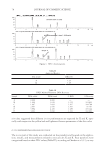
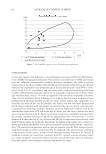
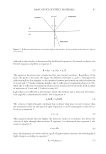
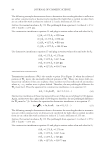
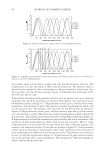
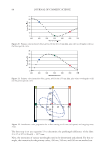
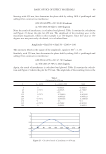
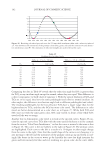
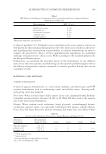
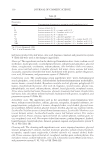
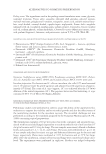
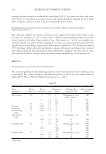
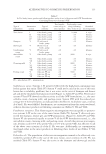
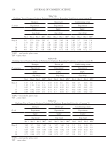
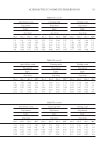
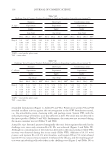
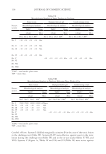
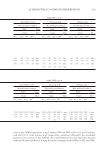
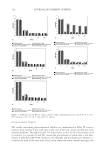
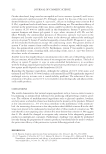
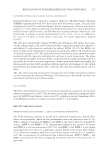
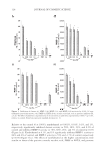
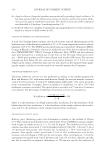
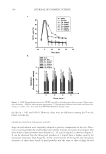
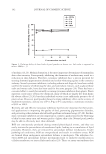
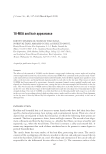
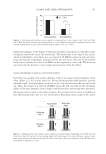
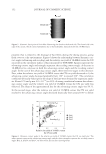
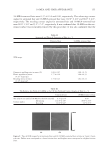
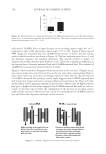
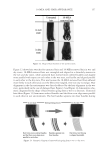
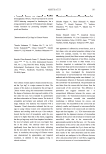
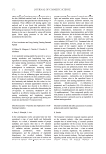
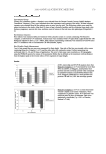
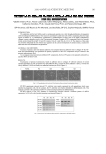
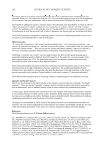
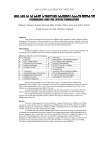
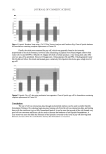
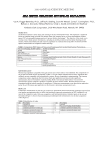
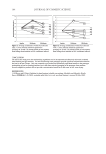
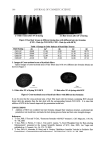
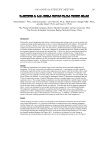
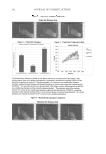
JOURNAL OF COSMETIC SCIENCE 120 PHYSICOCHEMICAL STABILITY The results concerning physicochemical stability are summarized in Table IV. Lonicera extracts alone (system I) was used only in the case of the tonic lotion and did not cause stability problems. The addition of (0.1% w/w) p-anisic acid or (0.3% w/w) levulinic acid to system I (i.e, systems II and III), caused the precipitation of solids after a few days. System V afforded stable O/W emulsions, the shampoo and the shower gel. However, it could not be used in the case of the tonic lotion, where the water content was high, due Figure 1. Challenge tests (E. Ph.) in various cosmetic forms containing prservative system V: (a) S. aureus, (b) P. aeruginosa, (c) E. coli, (d) A. niger, and (e) C. albicans.

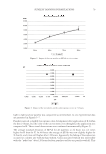
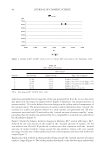
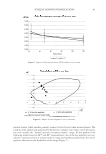
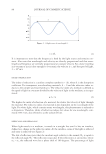
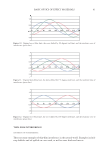
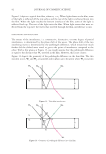
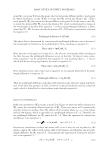
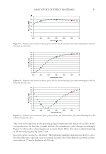
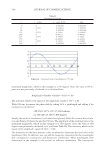
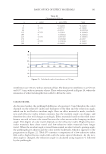
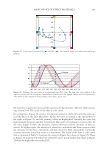
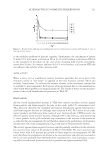
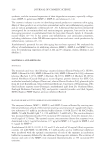
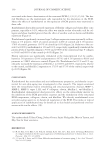
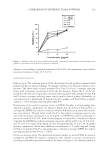
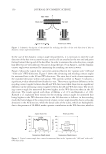
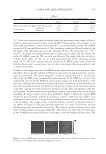
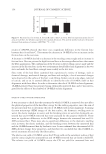
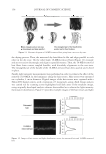
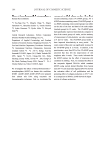
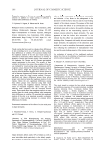
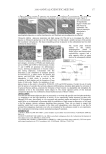
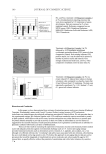
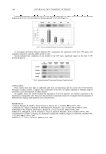
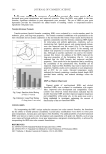
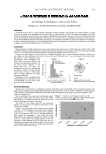
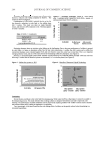
ALTERNATIVES TO COSMETICS PRESERVATION 121 to the solubility problems of glyceryl caprylate. Furthermore, the enrichment of system V with (0.1% w/w) anisic acid (system VI) or (0.3% w/w) levulinic acid (system VII) led to the separation of the phases in the cases of the cleansing milk and the anticellulite cream after 20 days. In contrast, addition of (0.1% w/w) levulinic acid (system VIII) did not infl uence the stability of the cleansing milk. WATER ACTIVITY Water activity (aw) or equilibrium relative humidity quantifi es the active part of the moisture content or “free water” as opposed to the total moisture content, which also includes “bound water.” It indicates the amount of water in the total water content that is available to microorganisms. Each species of microorganism has its own minimum aw value below which growth is no longer possible (6). The results of water activity measure- ments of the tested formulations are presented in Table IV. DISCUSSION All the tested antimicrobial systems (I–VIII) have exerted excellent activity against Gram-positive and Gram-negative bacteria in the acidic (pH=5.5) environment used. They protected effi ciently the emulsifi ed and aqueous formulations against Gram-positive and Gram-negative bacteria in challenge tests (criterion A of E. Ph.) and in in-use study (intact products and following three weeks of use). Antimicrobials I–VIII proved to be effective against Gram-positive bacteria, although 0.86 is the lowest aw value permitting S. aureus growth. Acidic pH conditions may contribute to the increase in the minimum aw value for this microorganism (6) and therefore improve the performance of alternative systems used. Of course, manipulation of aw is only part of the preservative system. The activity against Gram-negative bacteria could be partially attributed to the relatively low water activity values of the products (0.865–0.932) (Table VI), since water activity values lower than 0.95 prevent the growth of Gram-negative microorganisms (6). We note that these microorganisms are known to be very persistent and often are recovered in the in-use state, probably from the hands of the consumers (27), even in products contain- ing effective traditional preservatives such as parabens and phenoxyethanol (28). Figure 2. Results of the challenge test regarding the activity of preservative systems I–IV against A. niger in the case of tonic lotion.
Purchased for the exclusive use of nofirst nolast (unknown)
From: SCC Media Library & Resource Center (library.scconline.org)