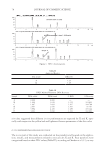
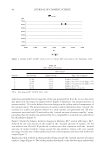
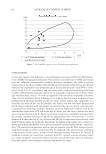
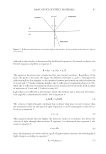
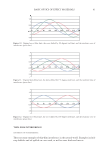
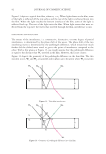
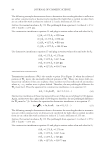
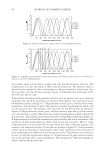
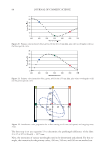
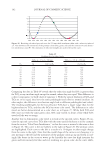
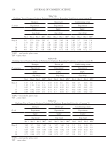
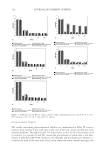
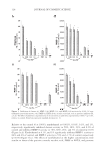
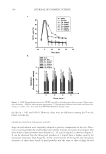
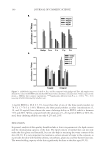
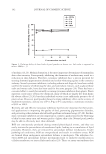
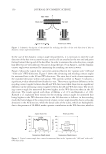
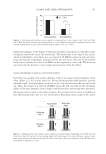
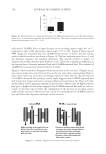
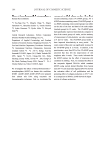
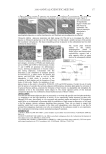
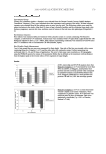
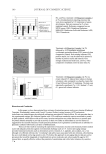
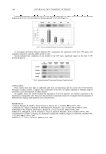
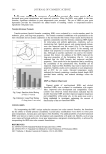
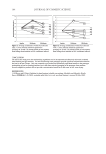
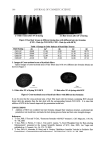
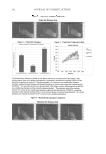
JOURNAL OF COSMETIC SCIENCE 140 Figure 3. (A,B) Reducing power of the P-w, P-μ, and P-n compared with ginkgo and Tara. All samples were diluted fi ve times with DMSO and distilled (DI) water before absorbance measurement. Values represent the means ± SEM for three separate experiments. ***Signifi cantly different from P-w, p 0.001. **p 0.01 (one-way ANOVA followed by Scheffe’s test). 1 mg/ml EDTA is 68.8 ± 3.3%, lower than that of any of the three pearl powders (at 78.3 ± 1.7–79.5 ± 1.4%). However, the three pearl powders at other concentrations (5, 10, and 20 mg/ml) have almost the same chelating ability as EDTA, which is between 75% and 80%. When compared with the solutions of 1–20 mg/ml of BHA in 96% eth- anol, their chelating abilities are only 0.2% and 2.0%. DISCUSSION In general, analysis of skin quality should include at least two parameters: the lipid content and the moisturizing capacity of the skin. The lipid content of normal skin can not only make the skin glossy and beautiful, but can also help in retaining the water content of the skin (20,21). It is very important to maintain a certain amount of water in the corneum, as it provides the skin with healthy softness, smoothness, plasticity, and fi ne barrier functions. The water-holding capacity of the skin signifi cantly declines as the skin ages (22,23).

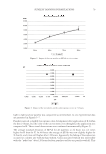
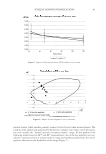
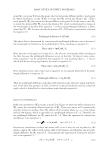
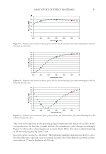
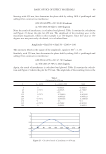
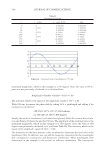
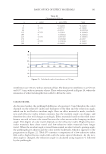
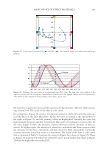
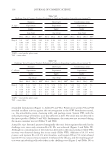
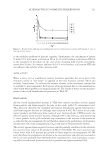
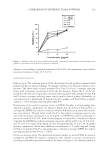
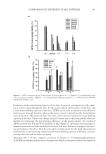
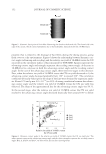
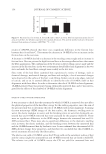
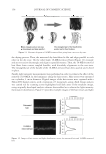
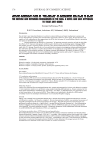
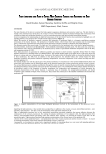
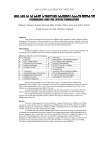
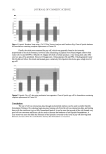
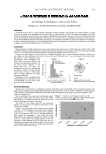
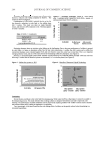
COMPARISON OF DIFFERENT PEARL POWDERS 141 Evaluation of the moisturizing capacity of the skin, in general, encompasses (a) the capac- ity of water to pass through the skin, (b) the water content on the surface of the skin, and (c) the water-holding capacity of the skin. TEWL can be used to determine the ability of water to pass through the skin, whereas the water content is determined by the hydration state of the skin. The results of these two tests can be used to evaluate the water-holding capacity of the skin. There is no change in lipid content due to the pearl powder (data not shown). In evaluating the moisturizing effi ciency of the pearl powders, the results of TEWL showed that P-μ and P-w, similarly to Hya (Figure 1), show fi ne moisturizing per- formance and stratum corneum barrier function. P-μ has a distinctly stronger moisturiz- ing performance than P-w. This has provided scientifi c proof for the high effi ciencies of pearl powder in moisturizing, enhancing the water-holding capacity of the skin, and sup- porting skin care and resistance to aging. Tyrosinase (EC 1.14.18.1) catalyzes conversion of tyrosine to 3,4-dihydroxyphenylalanine (L-DOPA) and further oxidizes this to dopaquinone, which is ultimately used for the formation Figure 4. (A,B) Scavenging ability of three kinds of pearl powders on 1,1-dipheny1-2-picrylhydrazyl. Each value is expressed as mean ± SEM (n = 3). ***Signifi cantly different from P-w, p 0.001 (one-way ANOVA followed by Scheffe’s test).
Purchased for the exclusive use of nofirst nolast (unknown)
From: SCC Media Library & Resource Center (library.scconline.org)