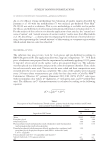
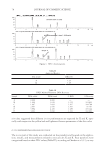
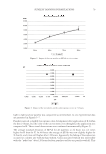
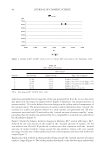
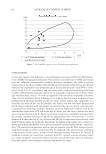
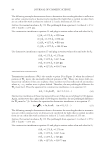
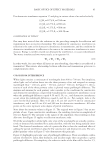
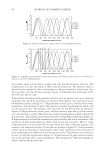
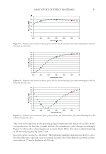
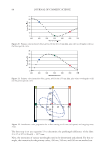
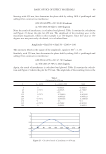
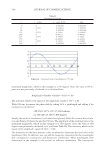
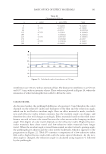
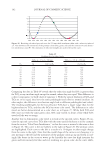
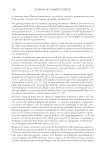
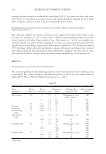
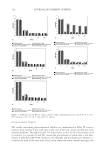
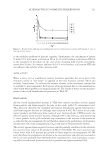
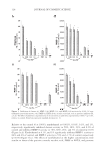
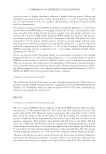
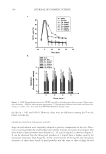
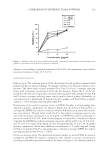
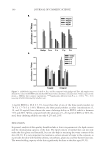
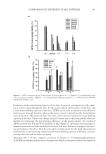
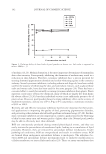
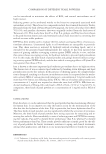
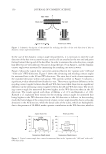
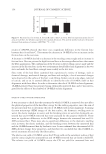
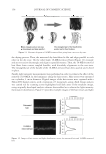
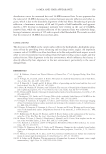
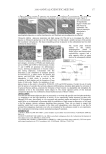
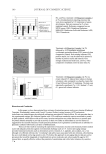
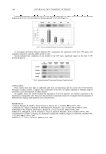
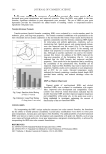
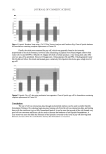
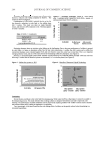
JOURNAL OF COSMETIC SCIENCE 142 of melanin (14,24). Melanin formation is the most important determinant of mammalian skin color intensity. Consequently, inhibiting the formation of melanin may result in a reduction in skin darkness. Therefore, tyrosinase inhibitors have a proven potential for treating abnormal pigmentation disorders and as skin-whitening agents in the cosmetics industry. Several tyrosinase inhibitors, including arbutin and Ange-da, have been widely used for the purpose of whitening the skin, and some plant extracts, such as glycyrrhizae radix and morus radix, have also been used for the same purpose (24). There has been a concerted effort to search for naturally occurring tyrosinase inhibitors from plants. Plants represent a rich source of bioactive chemicals, many of which are largely free from harm- ful adverse effects (25,26), but their individual activity is not suffi ciently potent to be of practical use. However, pearl powder showed a strong inhibitory effect on the activity of mushroom tyrosinase, and any one of P-w, P-μ, or P-n can produce a tyrosinase resistance of 90% to 100%. Recently, safe and effective tyrosinase inhibitors have become important for their poten- tial applications in improving the quality of food, preventing pigmentation disorders, and preventing other melanin-related health problems in human beings (27,28). Further- more, tyrosinase inhibitors are also important in cosmetic applications for the whitening of skin because many men and women prefer a lighter skin color. Natural pearl powder may be able to effectively meet these demands. ROS are continuously produced during normal physiological events, and they can easily initiate the peroxidation of membrane lipids, leading to accumulation of lipid peroxides. However, they are removed by antioxidant defense mechanisms. Under pathological conditions, ROS are overproduced and result in oxidative stress. ROS are formed when endogenous antioxidant defense is inadequate. The imbalance be- tween ROS and antioxidant defense mechanisms leads to oxidative modifi cation in cellular membranes or intracellular molecules (29). There are many antioxidants that Figure 5. Chelating ability of three kinds of pearl powders on ferrous ion. Each value is expressed as mean ± SEM (n = 3).

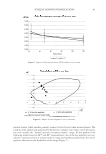
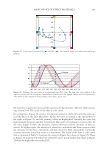
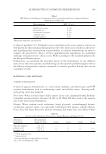
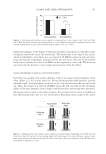
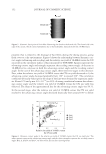
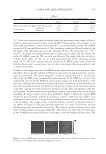
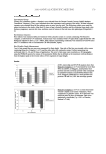
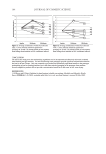
COMPARISON OF DIFFERENT PEARL POWDERS 143 can be introduced to minimize the effects of ROS, and natural antioxidants are of high interest. Reducing power can be attributed mainly to the bioactive compounds associated with antioxidant activity. These bioactive compounds include the vitamin E derivative Trolox, fl avonoids from the bark of Pinus Pinaster Pycnogenol, the leaves of Ginkgo biloba (EGb 761) (30), and pyridine derivatives that were originally isolated from the fresh roots of Taraxacum (31). This study show that P-w, P-μ, P-n, ginkgo, and Tara have been shown to be good electron donors and could terminate radical chain reactions by converting free radicals to more stable products. DPPH has been widely used to evaluate the free-radical scavenging effects of various an- tioxidant substances. Unsaturated lipids in cell membranes are susceptible to peroxida- tion. This chain reaction is initiated by hydroxyl radicals attacking lipids, and it is extended by the generated lipid hydroperoxide free radicals. It has been reported that extract of ginseng exhibits scavenging activity against DPPH radicals in vitro, and that this extract shows scavenging activity for hydroxyl radicals to prevent lipid peroxidation (32). In this study, the three kinds of pearl powders and ginkgo showed similar scaveng- ing activity against DPPH radicals, and the free-radical scavenging effects of P-μ and P-n were greater than those of P-w. Iron is known as the most important lipid oxidation pro-oxidant due to its high reactivity. The ferrous state of iron accelerates lipid oxidation by breaking down hydrogen and lipid peroxides into reactive free radicals. In the presence of chelating agents, the complex forma- tion is disrupted, resulting in a decrease in oxidation reactions. It is reported that the metha- nolic extracts (MEs) of various processed tomatoes at a concentration of 2 mg/ml could reach more than 65% ferrous ion chelating ability (FICA). The use of soybean sprout extract at a concentration of 3 mg/ml was required to obtain the same level of FICA. MEs from me- dicinal mushroom of Chang-chih could reach a FICA of 64.4–74.5% at 5 mg/ml (33). In comparison, three kinds of pearl powders at a concentration of 1 mg/ml reach a FICA of 80%. CONCLUSIONS From the above, it can be understood that the pearl powder has fi ne moisturizing effi ciency for human skin. It can improve not only the barrier action for the moisturization of the skin but also the hydration of the skin. P-μ, in particular, has better hydration than P-w. The three kinds of pearl powders can also signifi cantly inhibit the activation of tyrosinase. Moreover, the three kinds of pearl powders have strong capacities for restraining and re- moving free radicals. More remarkably, in tests of reducing power and DPPH for scaveng- ing free radicals, P-μ and P-n showed better performance than P-w, whereas P-n showed better performance than P-μ. These results provide suffi cient scientifi c proof for the effi - cacy of pearl powders for beauty treatments, resistance to aging, and clinical treatments, among other applications, and help us to use natural pearl powders to benefi t the people. REFERENCES (1) D. Tsukamoto, I. Sarashina, and K. Endo, Structure and expression of an unusually acidic matrix protein of pearl oyster shells, Biochem. Biophys. Res. Commun., 320, 1175–1180 (2004).
Purchased for the exclusive use of nofirst nolast (unknown)
From: SCC Media Library & Resource Center (library.scconline.org)