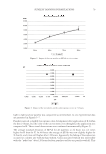
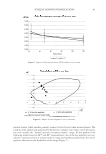
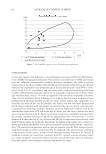
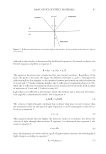
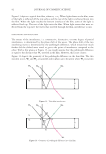
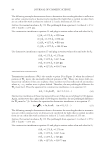
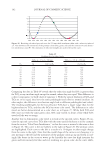
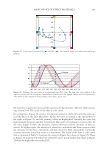
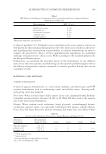
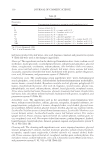
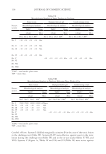
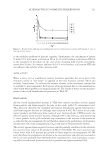
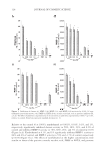
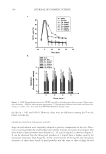
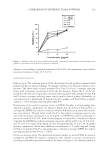
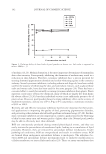
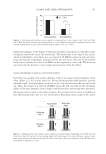
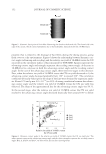
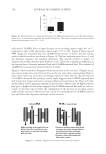
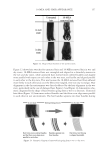
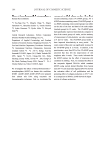
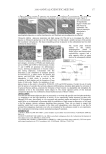
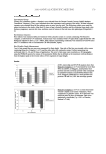
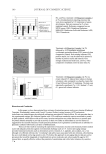
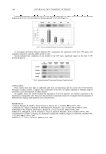
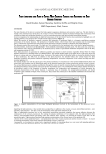
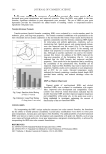
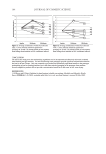
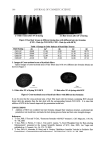
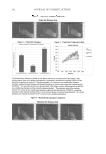
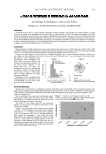
JOURNAL OF COSMETIC SCIENCE 152 property that is related to the drainage of hair fi bers during the drying process, going from a wet to a dry environment. Figure 6 shows the relationship between dynamic con- tact angles (advancing and receding) and the relative ion yield of 18-MEA versus the CN ion yield on the outermost surface of hair measured by TOF-SIMS. Squares represent the advancing contact angle and triangles represent the receding contact angle. A decrease in 18-MEA led to a decrease in both the advancing contact angle and the receding contact angle. In the case of the advancing contact angle, there were two stages in this decrease: First, when the relative ion yield of 18-MEA versus the CN ion yield decreased to 0, the advancing contact angle decreased gradually from 120° to around 100°. The correlation coeffi cient (R) and p-value (p) for the slope of the line were obtained by regression analy- sis. R was 0.76 and p was 4.0 × 10⁻²⁹ (n=149). A strong correlation between the advanc- ing contact angle and the relative ion yield of 18-MEA versus the CN ion yield was observed. The slope of the approximated line for the advancing contact angle was 58.31. In the second stage, after the relative ion yield of 18-MEA versus the CN ion yield reached 0, the advancing contact angle decreased drastically from around 100° to below Figure 6. Dynamic contact angle vs the relative ion yield of 18-MEA versus the CN ion yield plot. The white squares represent the advancing contact angle and the white triangles represent the receding contact angle. Hair A, hair B, and hair C are selected for friction force investigations. Figure 5. Schematic description of a hair fi ber illustrating the dorsal vs the frontal side. The frontal side is the edge of the cuticle, which is more hydrophilic due to the hydrophilic materials below the 18-MEA layer.

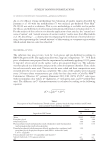
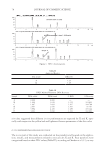
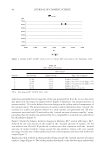
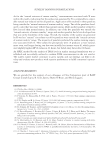
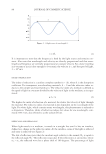
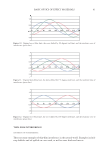
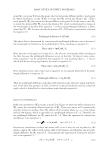
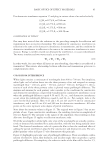
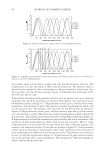
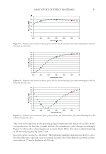
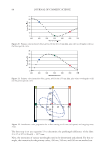
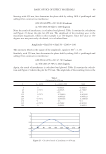
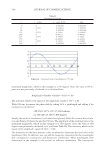
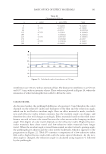
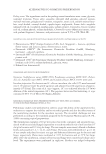
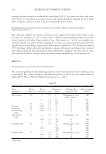
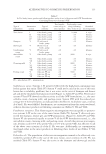
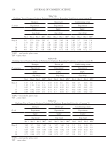
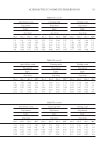
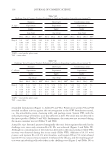
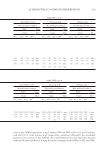
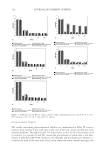
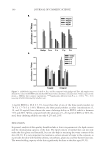
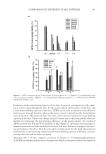
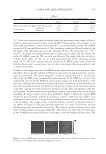
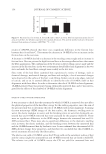
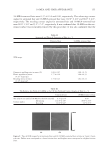
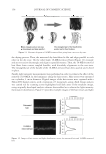
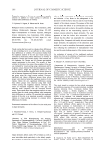
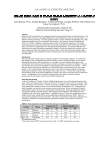
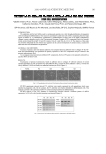
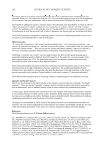
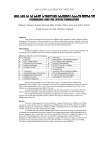
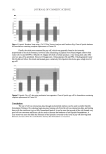
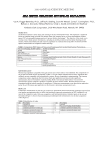
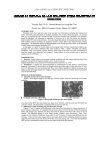
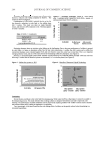
18-MEA AND HAIR APPEARANCE 153 70°. It was very interesting that the surface of the hair maintained some degree of hydro- phobicity even after removal of most of the 18-MEA. The receding contact angle, on the other hand, decreased in a linear manner from 80° to 0° as the relative ion yield of 18-MEA versus the CN ion yield decreased to 0. The correlation coeffi cient (R) and p-value (p) for the slope of the regression line were also obtained. R was 0.92 and p was 4.0 × 10−99 (n=237). A strong correlation between the receding contact angle and the relative ion yield of 18-MEA versus the CN ion yield was observed. The slope of the line for the re- ceding contact angle, 251.96, was 4.3 times larger than that of the advancing contact angle, 58.31. The results indicate that the decrease in 18-MEA on the cuticle surface af- fects the fi bers more in going from a wet to a dry environment than in going from a dry to a wet environment. In order to investigate the role of 18-MEA on the surface friction in the wet state, three hair fi bers, hair A, hair B, and hair C (Figure 6), were selected, and friction force micros- copy was performed. The surface properties of hair A, hair B, and hair C, are listed in Table I. In the FFM study, an unmodifi ed silicon nitride (Si-N) AFM tip was used. The unmodifi ed silicone nitride AFM tip (21) and hair surface are both hydrophilic in the wet state, although the components of these substances are different. It was hypothesized that the interaction between the AFM tip and the hair surface in the wet environment could thus correspond to the interaction between one hair fi ber and another in the wet environment. To characterize friction properties, 2 μm × 2 μm scans of the cuticle surface (avoiding the edges) of the cuticle were performed. Figure 7 shows the typical FFM images for hair A, hair B, and hair C in water at 2-μm × 2-μm scan size. Darker areas represent the friction force as being lower, and brighter areas represent the friction force as being higher. The average values of the friction force for hair A, hair B, and hair C are shown in Figure 8. The bars represent means for n=6 areas of each fi ber, and the whiskers represent the standard deviations. The asterisk symbol indicates the p-value obtained from analysis of variance (ANOVA). The relative ion yield indicated that most of the 18-MEA was removed for hair C and that it gave the highest friction value. The Table I Relative Ion Yield of 18-MEA vs the CN Ion Yield and Dynamic Contact Angles of Hair Hair A Hair B Hair C Relative ion yield of 18-MEA vs the CN ion yield 0.27 0.10 0.00 Contact angles Advancing 121.4° 113.3° 99.5° Receding 65.1° 33.7° 6.1° Figure 7. Typical FFM images for hair in water at 2-μm × 2-μm scan size. Darker areas represent a lower friction force and brighter areas represent a higher friction force.
Purchased for the exclusive use of nofirst nolast (unknown)
From: SCC Media Library & Resource Center (library.scconline.org)