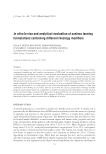
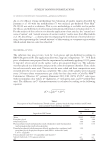
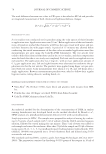
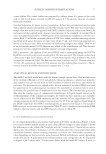
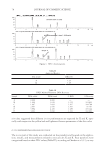
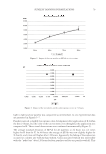
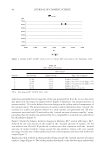
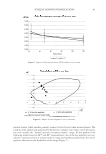
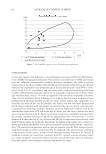
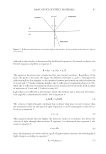
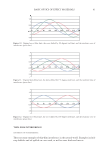
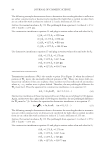
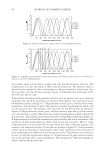
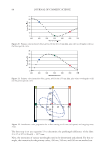
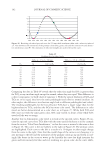
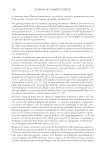
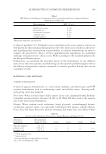
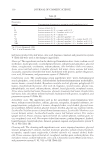
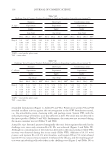
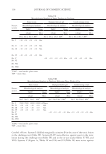
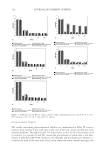
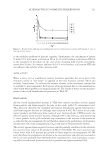
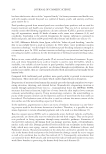
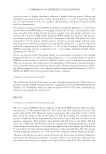
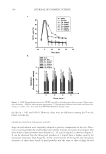
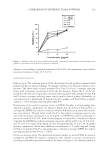
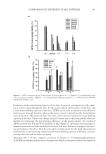
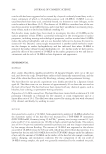
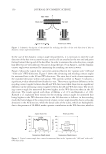
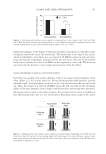
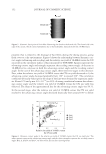
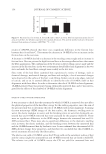
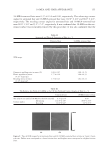
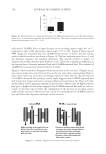
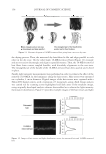
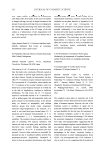
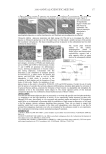
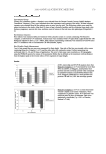
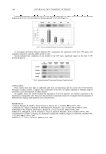
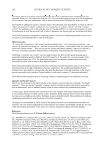
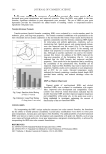
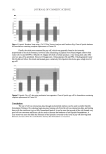
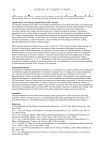
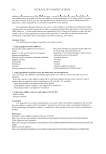
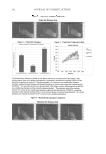
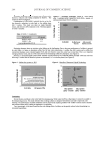
JOURNAL OF COSMETIC SCIENCE 154 results of ANOVA showed that there was a signifi cant difference in the friction force between hair A and hair C. That means the decrease in 18-MEA led to an increase in the friction force in the wet state. A decrease in 18-MEA also led to a decrease in the receding contact angle and an increase in friction force. One can picture the high frictional force as the strong adhesive force that causes the fi ber aggregation. The combination of the decrease in the receding contact angle and the increase in the friction force in the wet environment should affect hair alignment in the wet state and make the hair fi bers entangle more readily in the wet state. Since some of the hair fi bers examined here experienced a variety of damage, such as chemical damage, mechanical damage, and heat and sunlight, a lot of structural changes were observed on the surface of the hair: scale lifting, broken cuticle scale edges, removal of cuticle, and so on. It seemed diffi cult to identify the role of 18-MEA itself on hair alignment with these fi bers. In order to determine the role of 18-MEA on hair alignment, 18-MEA-removed hair was prepared using chemically untreated hair, and it was investi- gated for the effects of the removal of 18-MEA on hair alignment. ROLES OF 18-MEA ON HAIR APPEARANCE It was necessary to check that the treatment by which 18-MEA is removed does not affect the physical properties of the hair fi ber, except for the surface properties, since the aim of the present study was to determine the role of 18-MEA itself on hair alignment. Scanning electron microscopy (SEM) images of the hair surface, the diametric swelling ratio in water, the elastic modulus in water, and the breaking stress in water for chemically un- treated hair and 18-MEA-removed hair were analyzed for this purpose (Table II). There were no signifi cant differences in the SEM images between the untreated hair and 18- MEA-removed hair. There were also no signifi cant differences in the diametric swelling ratio in water, the elastic modulus, and the breaking stress between the untreated hair and the 18-MEA-removed hair by Student’s t-test. It was confi rmed that the removal of 18- MEA did not change these properties, and therefore we concluded that this 18-MEA re- moval treatment affected only the fi ber surface. The relative ion yield of 18-MEA versus the CN ion yield on the outermost surface of hair and the contact angles for untreated hair and 18-MEA-removed hair are listed in Table III. The relative ion yield of 18-MEA versus the CN ion yield for untreated hair and Figure 8. Friction forces for (a) hair A, (b) hair B, and (c) hair C in water. The bars represent means for n=6 areas of each fi ber the whiskers represent the standard deviations. The asterisk symbol indicates the p-value obtained from analysis of variance (ANOVA) **p 0.01.

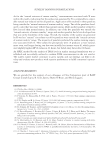
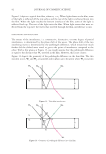
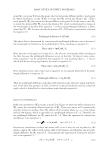
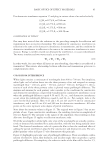
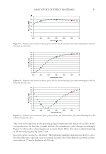
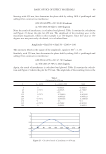
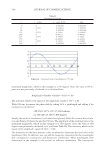
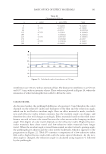
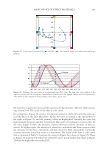
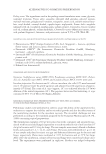
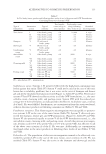
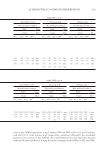
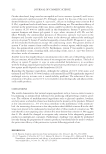
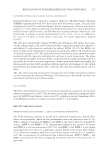
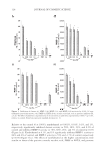
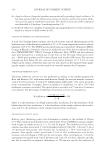
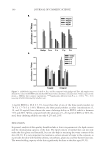
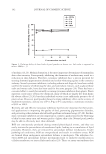
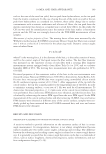
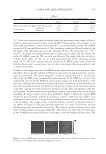
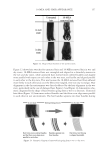
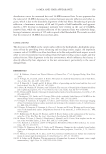
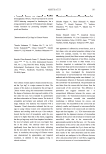
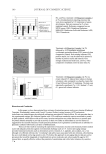
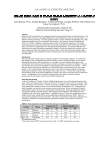
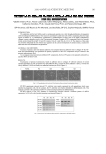
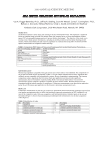
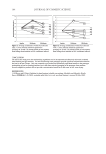
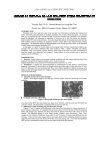
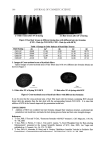
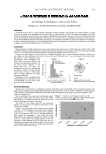
18-MEA AND HAIR APPEARANCE 155 Table III The Relative Ion Yield of 18-MEA vs the CN Ion Yield and Contact Angles of Hair (n = 5) Untreated hair 18-MEA-removed hair The relative ion yield of 18-MEA vs the CN ion yield 0.37 ± 0.14 0.00 Contact angles Advancing 102.9° ± 4.8° 88.0° ± 4.8° Receding 60.0° ± 9.0° 3.2° ± 5.5° 18-MEA-removed hair were 0.37 ± 0.14 and 0.00, respectively. The advancing contact angles for untreated hair and 18-MEA-removed hair were 102.9° ± 4.8° and 88.0° ± 4.8°, respectively. The receding contact angles for untreated hair and 18-MEA-removed hair were 60.0° ± 9.0° and 3.2° ± 5.5°, respectively. It was confi rmed that 18-MEA on the out- ermost surface was essentially removed by this procedure. It was also confi rmed that the Table II Structural and Physical Properties of Hair (n = 7) Untreated hair 18-MEA-removed hair SEM image Diametric swelling ratio in water (%) 1.08 ± 0.02 1.08 ± 0.15 Elastic modulus in water (× 1010 dyns/cm2) 1.77 ± 0.26 1.68 ± 0.53 Breaking stress in water (× 109 dyns/cm2) 1.75 ± 0.24 1.82 ± 0.24 Figure 9. Typical FFM images for (a) untreated hair and (b) 18-MEA-removed hair in water at 2-μm × 2-μm scan size. Darker areas correspond to a lower friction force and brighter areas correspond to a higher friction force.
Purchased for the exclusive use of nofirst nolast (unknown)
From: SCC Media Library & Resource Center (library.scconline.org)