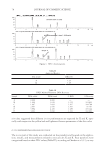
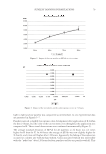
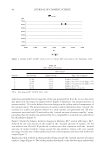
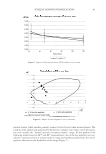
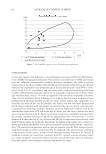
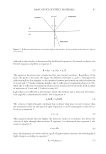
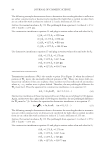
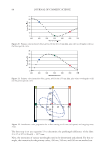
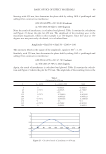
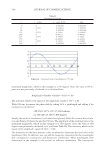
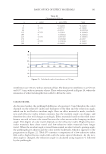
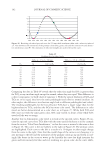
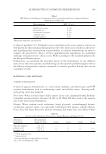
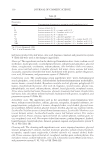
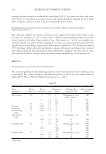
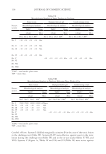
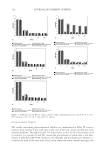
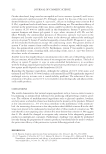
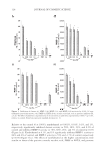
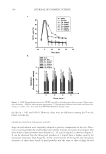
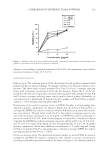
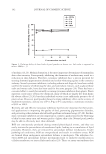
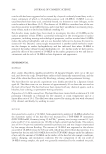
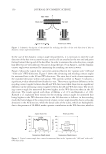
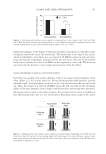
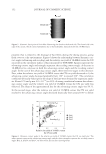
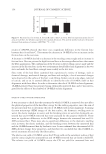
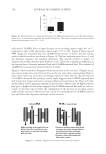
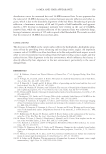
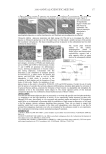
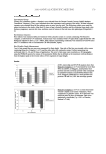
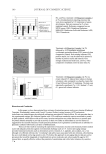
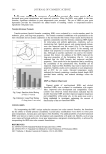
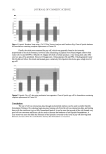
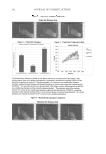
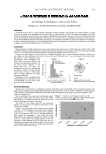
JOURNAL OF COSMETIC SCIENCE 156 reduction of 18-MEA led to a larger decrease in the receding contact angle, 60° to 3°, compared to that of the advancing contact angle, 103° to 88°. Figure 9 shows typical FFM images for untreated hair and 18-MEA-removed hair in water, and the average values of the friction force are shown in Figure 10. The bars represent means for n=5, and the whiskers represent the standard deviations. The asterisk symbol in Figure 10 indicates the p-value obtained from Student’s t-test. There was a signifi cant difference in the friction forces between untreated hair and 18-MEA-removed hair. The removal of 18-MEA led to an increase in friction forces in water. Figure 11 shows schematic diagrams of hair interactions in the wet state. A higher reced- ing contact angle and a lower friction force in the wet state allow untreated hair fi bers to move more easily over each other and realign with each other. The fact that the removal of 18-MEA decreased the receding contact angle suggests that 18-MEA-removed hair will remain wet longer and create a stronger adhesive force between hair fi bers and make the hair fi bers tend to aggregate together in the wet state. The fact that 18-MEA-removed hair gave a higher friction value suggests that 18-MEA-removed hair will be easier to tangle. It was thus expected that the combination of the decrease in receding contact angle and the increase in the friction force in the wet environment for 18-MEA-removed hair will affect hair alignment adversely in the wet state. Figure 10. Friction forces of (a) untreated hair and (b) 18-MEA-removed hair in water. The bars represent means for n=5 the whiskers represent the standard deviations. The asterisk symbols indicate the p-values obtained from Student’s t-test **p 0.01. Figure 11. Schematic diagram of hair interactions in wet environment.

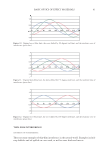
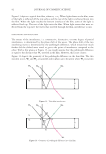
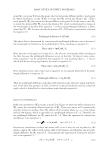
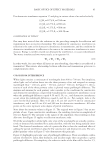
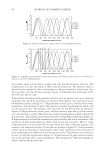
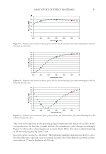
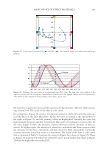
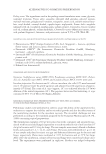
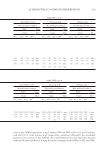
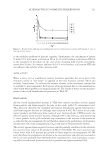
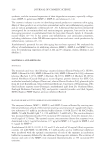
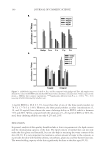
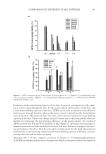
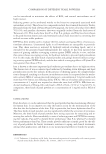
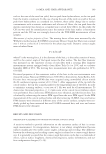
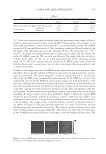
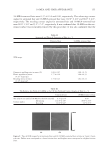
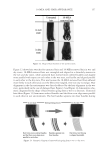
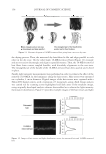
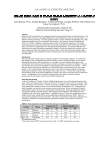
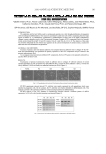
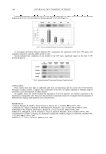
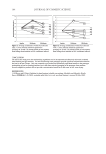
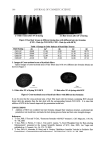
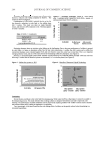
18-MEA AND HAIR APPEARANCE 157 Figure 12 shows hair swatches for untreated hair and 18-MEA-removed hair in wet and dry states. 18-MEA-removed hair was entangled and aligned in a disorderly manner in the wet and dry states, while untreated hairs formed more ordered bundles and aligned more parallel with respect to each other in the wet state, and lay fl at and aligned parallel to each other in the dry state. This was because the 18-MEA-removed hair fi bers adhered more fi rmly to each other and, once the fi bers were tangled, were not easy to realign. Hair alignment in the dry environment was directly affected by the hair alignment in the wet state, particularly in the case of damaged hair. Figure 13 and Figure 14 demonstrate sche- matic diagrams for the shape of hair swatches going from a wet to a dry state. Untreated hair fi bers (Figure 13) form more ordered bundles and the fi bers even align more parallel to each other in wet environments. The hair bundles separate into fi ner bundles during Figure 12. Shape of hair swatches in wet and dry states. Figure 13. Schematic diagram of untreated hair going from a wet to a dry state.
Purchased for the exclusive use of nofirst nolast (unknown)
From: SCC Media Library & Resource Center (library.scconline.org)