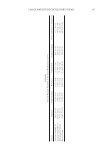
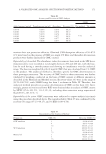
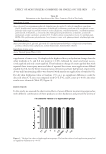
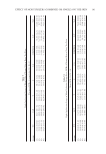
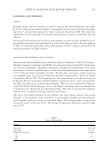
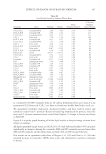
GREEN TEA HAIR TONIC FOR GREASY SCALP 163 Irritation test. A closed-patch test was performed in the same group of volunteer that par- ticipated in the preference test. Base hair tonic was tested with different green tea con- centrations. Water was used as a negative control, whereas 3% sodium lauryl sulfate (Namsiang) was the positive control. Observation was made immediately after removal of the Finn chamber® (8 mm, SmartPractice, Phoenix, AZ), and at 24, 48, and 72 h after removal. The mean irritation index (MII) was calculated (12). Effi cacy evaluation. Twenty healthy Thai volunteers (10 female and 10 male) aged between 23 and 35 years were included. All subjects were allergy free for 1 week, and had not used steroids or topical products for oily or greasy scalp treatment for 4 weeks prior to study enrollment. Subjects who were pregnant, lactating, or dieting were excluded from the study, as were those who reported smoking or drinking of liquor. The subjects were ad- vised not to apply any product onto the scalp the night before starting the study. All subjects were tested for scalp greasiness at baseline using a Sebumeter®. The measure- ment was performed in triplicate at different positions on the same side of the head. The subjects were acclimatized in a waiting room (20 ± 1°C and 40–60% relative humidity) for 30 min before scalp measurements were carried out under the same conditions. A randomized single-blind placebo-controlled study was designed and the volunteers were requested to apply hair tonic once in the morning by a split-head procedure for intrain- dividual comparative trails. The volunteers were directed to use fi ve drops of the green tea hair tonic on one side of the head and the same quantity of base tonic on the other side. The control cleansing shampoo (No More Tears Johnson & Johnson, Bangkok, Thailand) was provided and used for hair washing (10 g/wash) at 2-day intervals (11). Subjects who showed less than 90% compliance with the assigned product were excluded from the study. Effi cacy evaluation was conducted on days 7, 14, 21, and 28 using the Sebumeter®. STATISTICAL ANALYSIS The parameters were compared and analyzed using post hoc tests for stability and prefer- ence. Independent sample t-test was for effi cacy evaluation. Signifi cance was set at a con- fi dence level of 95%, and data were expressed as mean ± standard error. RESULTS AND DISCUSSION The tonic base formulation was developed by variation of humectant (glycerine and bu- tylene glycol) content, as shown in Table I. All of the tonics were clear, colorless liquids that remained stable following centrifugation assay. Thereafter, accelerated stability tests were performed using repeated heating–cooling cycles, and higher pH was observed in all of the formulations. Preferences for the hair tonics were examined for spreadability, skin absorption, greasiness, color, and odor. Tonic C gained the highest preference for spread- ability, skin absorption, and greasiness, but preferences for color and odor were compa- rable. An increase of humectant contents was found to reduce the scores of all preference criteria. Therefore, hair tonic base C was further developed into green tea hair tonic. Various proportions of green tea extract (2–7%), delineated by the reported facial sebum reduction (13–15), were incorporated into base C using butylene glycol (Table II). The increased content of the extract did not affect the product pH (p 0.05) and all of the green tea hair tonics remained stable.

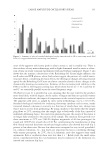
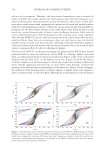
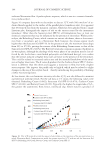
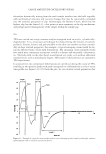
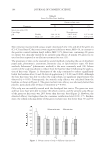
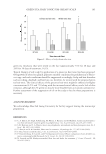
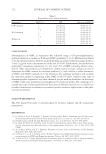
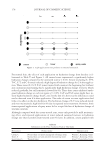
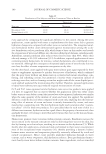
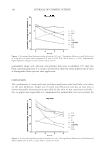
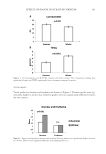
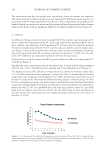
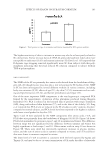
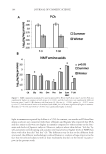
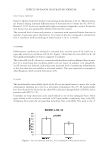
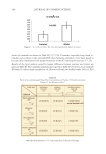
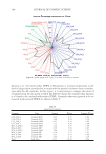
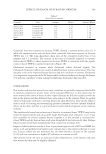
JOURNAL OF COSMETIC SCIENCE 164 Skin irritation was examined using a single closed-patch test (12), and all of the green tea (C1–C3) and base (C) hair tonics were negative (similar to water MII = 0), in contrast to the positive control (sodium lauryl sulfate MII = 0.5). Hair tonic containing 2% green tea extract was clinically trialed for its antioily scalp effi cacy. A similar 2% green tea ex- tract has been reported as an effi cient treatment for acne (13). The greasiness of skin can be assessed by several methods, including the use of absorbent paper pads, photometric assessment, bentonite clay, or lipid-sensitive tapes. Of these methods, Sebumeter® (photometric method) is the most commonly used (16). Sebum content of the scalp was shown to reduce from the baseline (day 0) following the applica- tion of hair tonic (Figure 1). Greasiness of the scalp continued to reduce signifi cantly below the baseline after 21 and 28 days of application (p = 0.024 and 0.008). Although the base hair tonic was able to reduce the scalp sebum, no signifi cant improvement was observed (p 0.05). Consequently, the antioily scalp effi cacy was calculated from the baseline, as shown in Figure 2. The green tea hair tonic effi cacy was obviously better than placebo, particularly after 28 days of treatment (p = 0.031). Oily scalp was successfully treated with the developed hair tonics. The green tea tonic and hair tonic base were able to reduce the sebum content, and the antioily scalp effi cacy of the green tea hair tonic was 20% better than the tonic base (Figure 2). However, the observed effi cacy was higher than the consumer satisfaction level (10% 17). Further- more, the sebum reducing ability of this green tea hair tonic was better than 3% and 5% Table II Green Tea Hair Tonic Stability Parameter Green tea hair tonic C1 C2 C3 Green tea extract (%) 2 4.5 7 Centrifuge Homogeneous pH Freshly 4.90 ± 0.10 4.83 ± 0.06 4.97 ± 0.06 Heat cool 5.03 ± 0.06 5.03 ± 0.06 5.00 ± 0.10 Figure 1. Sebum content of scalp at different time interval.
Purchased for the exclusive use of nofirst nolast (unknown)
From: SCC Media Library & Resource Center (library.scconline.org)