J. Cosmet. Sci., 67, 167–173 (May/June 2016) 167 Analysis of octyl methoxycinnamate in sunscreen products by a validated UV-spectrophotometric method MAYUREE KANLAYAVATTANAKUL, NATAMON KASIKAWATANA, and NATTAYA LOURITH, School of Cosmetic Science, Mae Fah Luang University, Chiang Rai 57100, Thailand. Accepted for publication May 30, 2016. Synopsis An inexpensive, rapid method for the determination of octyl methoxycinnamate (OMC) in sunscreen products using ultraviolet-spectrophotometry has been developed and validated according to International Council for Harmonisation and Association of Offi cial Analytical Chemists guidelines. Methanol was the optimal solvent used with a linearity range of 4–12 μg/ml (r = 0.999) being obtainable. The accuracy of the method is highlighted by the % recovery (98.23–98.50) and relative standard deviation (%RSD, 0.12), and it is widely applicable to prototype products composed of oil in water, and water in oil emulsions. Mineral oils containing low, intermediate, and high OMC levels (1%, 4%, and 7.5%) gave recovery percentages of 99.76–100.76 with %RSD of 0.02–0.28. In addition, this method is repeatable and affords a high degree of precision (%RSD = 0.12 and 0) with 96.08–99.27% recovery. The method is suitable for quality assurance of suncare product formulations, and could be applicable to product development and validation. INTRODUCTION Application of sunscreen products is widely recommended to protect against the harmful effects of ultraviolet (UV) radiation on skin (1), such as erythema, edema, and hypopig- mentation, which alters its aesthetics, and accumulative damage which can result in mel- anoma (2). The UV fi ltering agents in sunscreens are commonly classifi ed as organic or inorganic, in relation to their skin protection mechanism. The most commonly used UV fi lter is octyl methoxycinnamate (OMC also listed as ethylhexyl p-methoxy cinnamate or octinoxate). Exposure of OMC to solar radiation generates reactive chemical species in- cluding free radicals. If OMC is present in sunscreens, there is a potential for accumula- tion of free radicals in tissue, giving rise to adverse effects (3). Accordingly, the maximum allowable concentrations of OMC in sun protection products are 10% and 7.5%, as stated in European Union and U.S. Food and Drug Administration regulations, respectively (4). The presence of sunscreen agents in topical products is necessary to ensure their skin damage protection effi cacy, although such formulations must also be stable (5) and meet Address all correspondence to Mayuree Kanlayavattanakul at mayuree@mfu.ac.th.

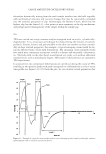
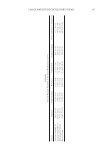
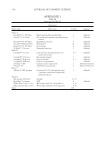
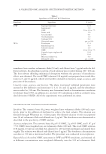
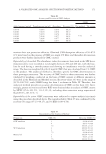
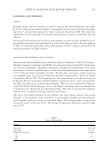
JOURNAL OF COSMETIC SCIENCE 168 quality assurance standards. Suncare actives (including OMC) are usually analyzed by techniques such as high-performance liquid chromatography (HPLC) (5–8), which often requires high levels of technical expertise, time (method development), and investment in advanced equipment, resulting in high cost per sample analyzed. Therefore, develop- ment of a simple, rapid, precise, accurate, and inexpensive technique which is practically feasible (5,9) would be of profound benefi t to the pharmaceutical industry and preferred to the currently used routine practices in product formulation (10). Accordingly, this report highlights a simple, cost-effective method based on UV-spectrophotometry for the analysis of OMC in sunscreen products. The method has been validated in accordance with the International Council for Harmonisation (ICH) and Association of Offi cial Ana- lytical Chemists (AOAC) guidelines (11,12), with validated repeatability in three types of dosage forms: oil in water (O/W) and water in oil (W/O) emulsions, and mineral oil. The results indicate that this method should be widely applicable, and feasible for incor- poration into suncare product testing protocols. MATERIALS AND METHODS Those cosmetic formulations were of cosmetic grade, whereas those of analytical practices were of analytical grade. MATERIALS AND INSTRUMENTS OMC (BASF, Duesseldorf, Germany) concentrated 1%, 4%, and 7.5% in sunscreen emul- sion (O/W) consisted of isopropyl myristate (Kik.K Oleo, Selangor, Malaysia), isopropa- nol (Top solvent, Bangkok, Thailand), stearic acid (NOF, New York, NY), cetyl alcohol (Godrej industries, Mumbai, India), triethanolamine (Hangzhou, Zhejiang, China), car- bopol 934 (Lubrizol, Wickliffe, Ohio), and deionized water. Oil phases were melted and mixed at 70°C before OMC addition, followed by the addition of water phase containing carbo- pol and triethanolamine to give homogeneous cream. W/O emulsion was formulated with petrolatum (Paraffi n oil, India), emulsifying wax (Anglo-chemical, Free State, South Africa), calcium stearate (Peter Greven, Bad Mü nstereifel, Germany), caprylic/capric tri- glyceride (BASF), jojoba oil (Desert whale, Tucson, AZ), and microcrystalline wax (Hong Huat, Bangkok, Thailand) that were melted together at 80°C, followed by additions of deionized water and OMC. In addition, OMC was separately dispersed in mineral oil (Kesoon Fine Chemical, Maoming, China). The proportions of each ingredient of the prepared formulations were shown in Table I. A UV-visible spectrometer (UV mini 1240 Shimadzu, Tokyo, Japan) was used to record the absorbance. The product was sun protec- tion factor (SPF) monitored by SPF analyzer (Optometrics LLC/SPF-290F, Miami, FL 13). VALIDATION OF OMC ANALYSIS METHOD Specifi city. OMC (0.05 g) was weighted (BP 2215 Sartorious, Göttingen, Germany) into a volumetric fl ask and adjusted with acetonitrile, ethanol, and methanol (Merck, Darmstadt, Germany) to a fi nal volume of 50 ml individually. The solution (5 ml) was
Purchased for the exclusive use of nofirst nolast (unknown)
From: SCC Media Library & Resource Center (library.scconline.org)