JOURNAL OF COSMETIC SCIENCE 186 Previous studies have investigated seasonal differences in biophysical properties of the skin in different populations. Hydration measured by electrical methods has been found to be consistently higher in summer (7–13) but transepidermal water loss (TEWL) differences have not been as consistent. Black et al. (8) reported higher TEWL in summer on the forearm, calf and crows-foot areas whereas Kikuchi et al. (10) reported lower TEWL in summer on the forearms and cheeks of both pre- and postmenopausal Japanese women. Seasonal differences were more marked on the face. Wan et al. reported higher TEWL on the foreheads of Chinese women in autumn and winter compared to spring and summer (7). Muizzuddin et al. reported lower TEWL on the cheek in summer versus winter in subjects living in arid (Arizona) and humid (New York) climates (11). Egawa and Tagami used in vivo confocal Raman spectroscopy to investigate seasonal differences in stratum corneum (SC) components with Japanese subjects (9). Natural moisturizing factor (NMF) components, defi ned as free amino acids and 2-pyrrolidone-5- carboxylic acid (PCA), were not higher in summer compared to other seasons. Urea and lactate were found to be higher in summer, and trans-urocanic acid (t-UA) was found to be lower in summer. Using a tape stripping method on the forearms of Japanese males, Nakagawa et al. also found higher values of urea and lactate in the SC in the summer than in the winter (14). Seasonal changes in SC structural lipids that may contribute to the difference in summer and winter skin condition have been reported in the literature. Increased levels of cerami- des and cholesterol have been reported in summer (9,15,16). Ishikawa et al. reported changes in the ceramide profi les in summer compared to winter, and further that capaci- tance was directly proportional and TEWL inversely proportional to total ceramide level (17). Capacitance was higher in summer on all body sites, but TEWL differences varied with body site. Recently, cytokines such as interleukin 1-α (IL-1α) and interleukin 1 receptor antagonist (IL-1ra) and structural proteins (involucrin and keratin-1,10,11) have been studied as biomarkers of skin health (18–22). The ratio of IL-1ra:IL-1α has been found to increase in skin treated with sodium lauryl sulfate (18,19), and the structural proteins keratin-1,10,11 were reported to be lower in the irritated skin of health-care workers (22). Involucrin was found to be lower and keratin-1,10,11 to be higher in adults’ skin compared with infants’ skin (21). Effective treatment decreased the IL-1ra:IL-α ratio and increased keratin-1,10,11 on the scalp of dandruff sufferers (20). To our knowledge, seasonal differences in these biomarkers have not yet been reported in the literature. The goal of the present study was to evaluate the effect of season on skin health by skin grading, biophysical measurement, and noninvasive sampling for NMF components, bio- markers, and SC lipids. Female subjects were given a mild synthetic detergent bar to use for a one-week prewash during the winter. Subjects who developed at least moderately dry skin on the lower legs were selected for evaluation. The same subjects returned for evaluation during the following summer. After the same prewash procedure, the subjects underwent the same evaluations as in the winter study. Biophysical properties measured were TEWL and hydration (Corneometer). Visual grading was performed to evaluate skin dryness and redness. SC was sampled using 10 sequential D-Squame sampling discs (CUDERM, Dallas, TX) to analyze for SC cohesiveness, NMF components, biomarkers (IL-1ra:IL-α, involucrin, keratin-1,10,11), and SC lipids. The study protocol allowed for direct paired comparison of the same subjects in summer and winter for all properties measured.

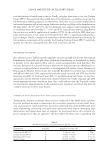
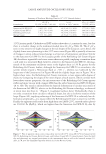
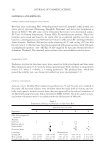
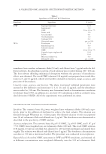
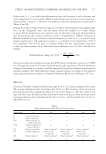
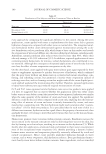
EFFECTS OF SEASON ON STRATUM CORNEUM 187 MATERIALS AND METHODS SUBJECTS Healthy female subjects between 18 and 65 years of age with Fitzpatrick skin types II–IV (23) were given a mild synthetic cleansing bar to use at home daily on the lower legs for a 7-day prewash during the winter season in Cincinnati, OH. The study was approved by an institutional review board, and informed consent was obtained from all subjects. At the end of the prewash, skin dryness and erythema on the legs were graded by an ex- pert grader using previously published 0–6 scales (24). Subjects with a dry skin grade of at least 2.0 were selected for the study. Demographics of the 25 subjects selected for the study are presented in Table I below. BIOPHYSICAL MEASUREMENTS AND SC SAMPLING Measurements of skin hydration were obtained using a Corneometer® CM 825 (Courage + Khazaka, Cologne, Germany), and TEWL was measured using a Dermalab® Evaporime- ter (Cortex Technologies, Hadslund, Denmark). Biophysical measurements were made after at least 30 min of equilibration in a controlled environment room with temperature (70° ± 2°F) and relative humidity 30–45%. SC from the outer aspect of the lower legs was sampled using 10 successive D-Squame Standard Sampling Discs (D100 CuDerm Corporation, Dallas, TX). Each sampling disc was pressed down onto the site using the D-Squame Pressure Instrument (D500 CuDerm Corporation) for 5 s, then removed from the skin and placed into 12-well collection plates. The discs were analyzed for total pro- tein, PCA, IL-1α, IL-1ra, keratin-1,10,11, and lipids, including selected ceramides, se- lected fatty acids, cholesterol, and cholesterol sulfate. Two sites on each leg were sampled, and data were averaged at each tape strip for each subject. The same 25 panelists returned in the summer, and same female subjects, after going through a 7-day prewash, were assessed by visual grading, biophysical measurements, and biomarker analysis exactly as mentioned above. The average outdoor temperature during the winter study was 4.4°C. The average temperature during the summer study was 21.8°C. Table I Subject Demographics Number 25 Age (years) 47.6 ± 10 Age range 23–64 Fitzpatrick skin type Number II 3 III 18 IV 4
Purchased for the exclusive use of nofirst nolast (unknown)
From: SCC Media Library & Resource Center (library.scconline.org)